Drums and percussion are among the fundamental rhythm instruments used in many musical styles. In this category, you will find equipment for drummers and percussionists – from classic acoustic drums and electronic drums, through cymbals and drumsticks, to small percussion instruments and practical accessories for drummers.
The selection is suitable for beginner and advanced drummers, musicians, bands, rehearsal rooms, and studios. Individual instruments and accessories make it possible to build a setup according to musical style, playing technique, and individual needs.
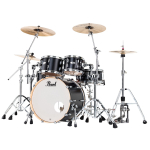
Acoustic drum kits provide a natural sound and immediate response while playing. They are suitable for rehearsals, concerts, recording, and teaching.
Electronic drums offer a compact solution for practice, home learning, recording, and playing with different drum sounds.
Drum cymbals in various sizes and designs. Suitable for rock, pop, jazz, funk, metal, and other musical styles. Cymbals significantly influence the character and tone of the entire drum kit.
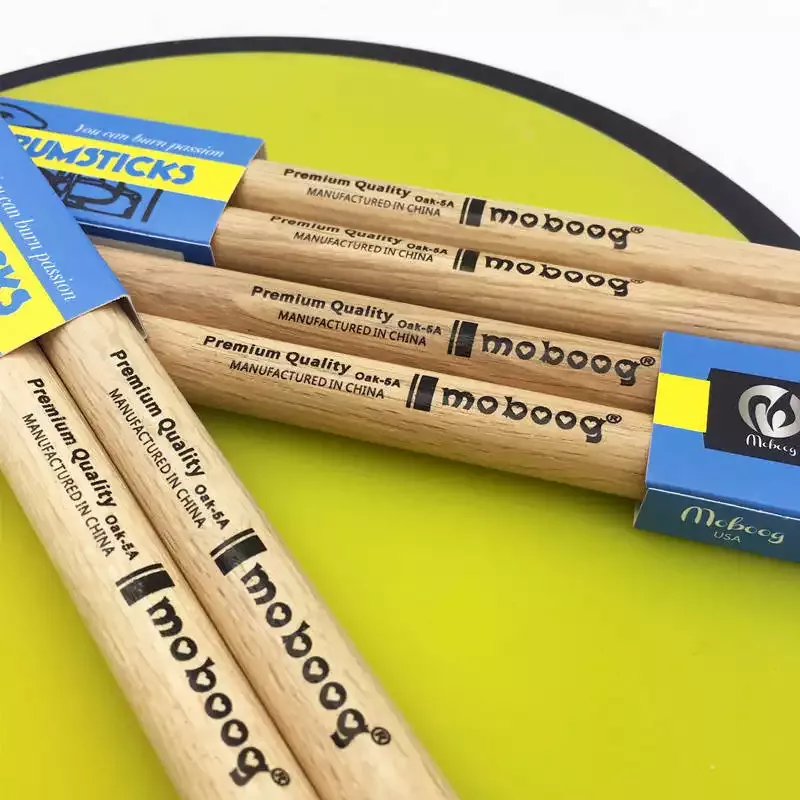
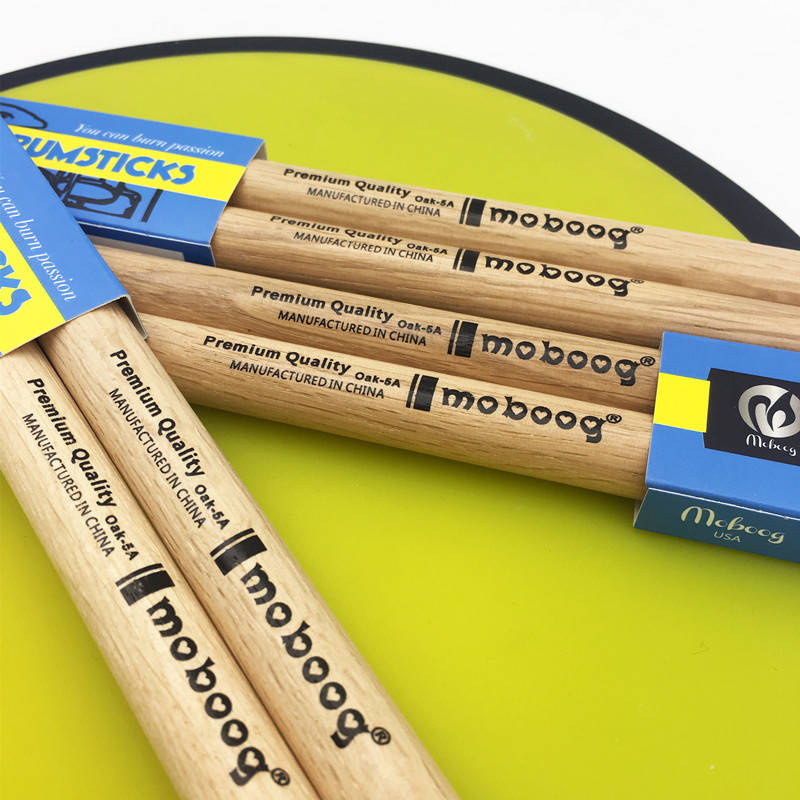
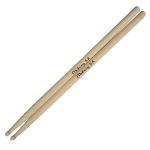
Drumsticks in various sizes, shapes, and materials. The choice of drumsticks affects playing comfort, dynamics, and the resulting sound.
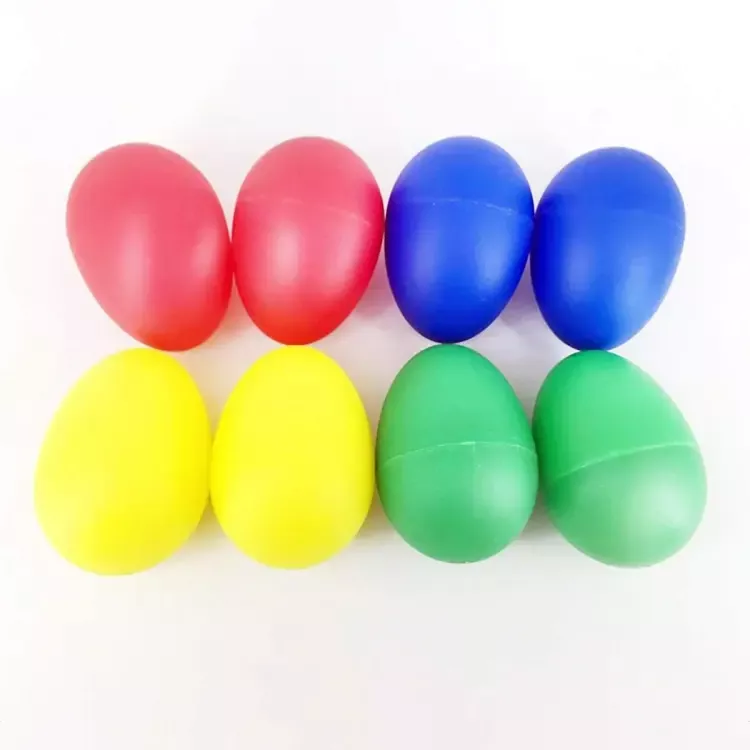
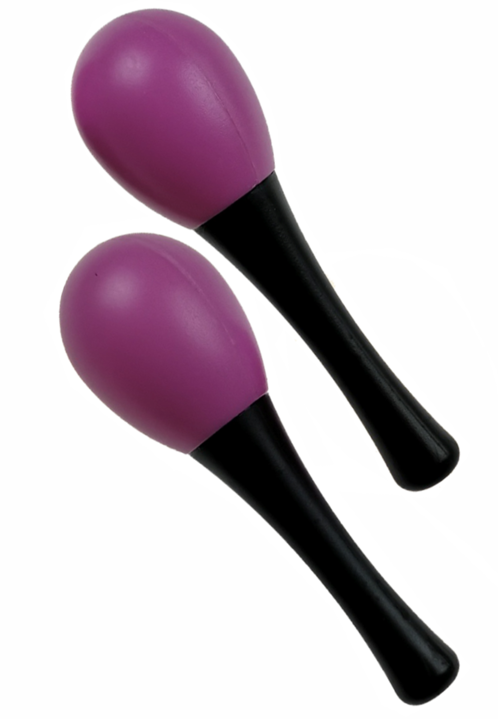
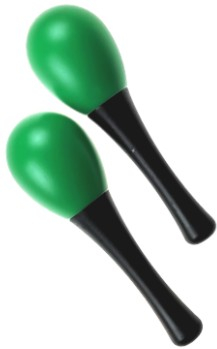
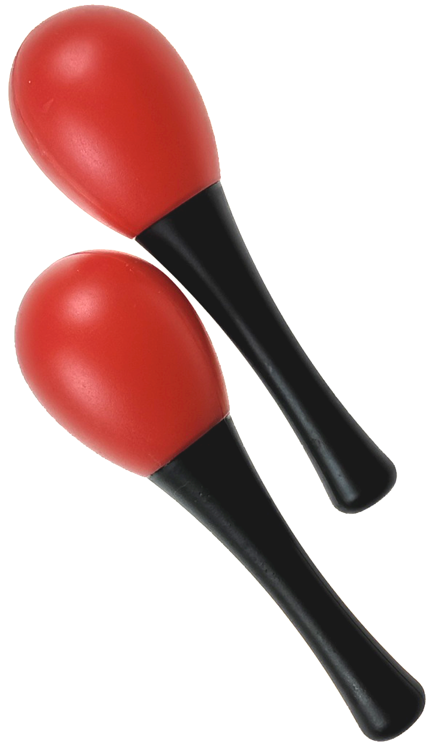
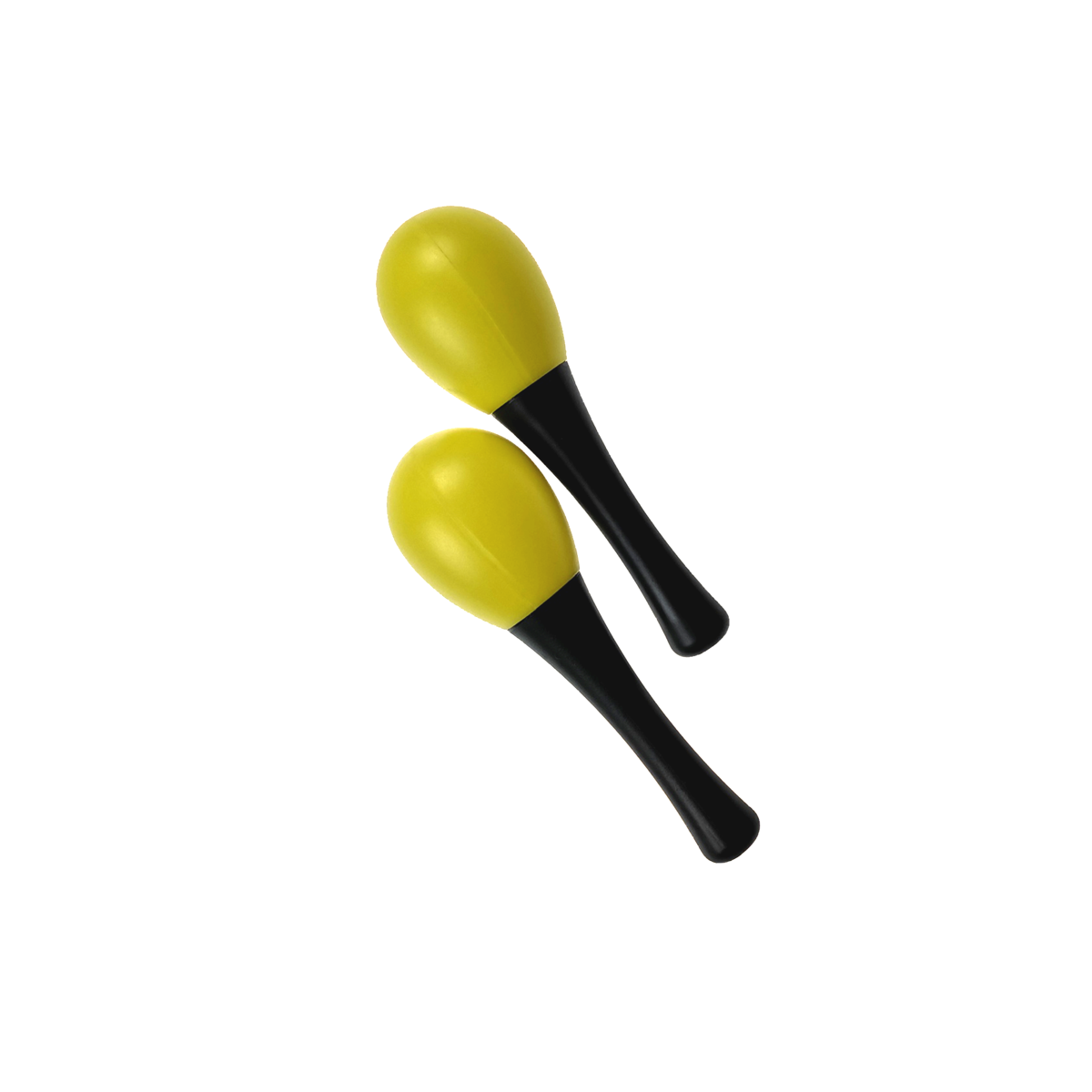
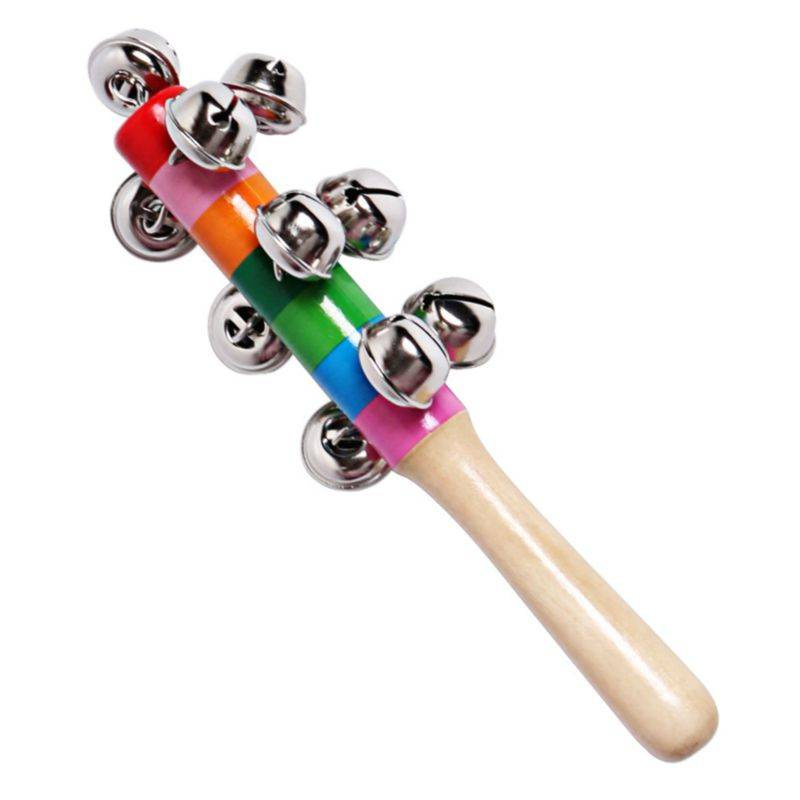
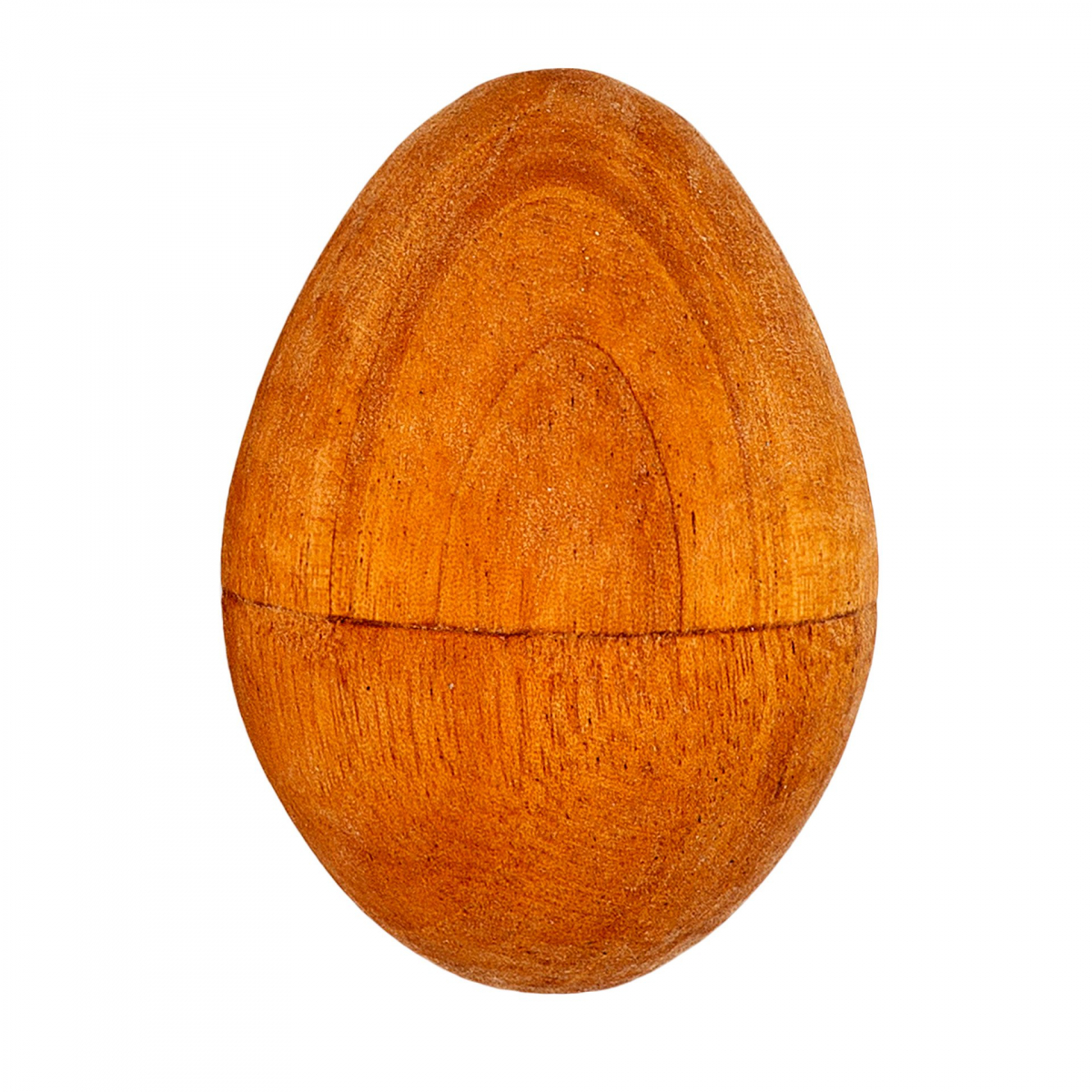
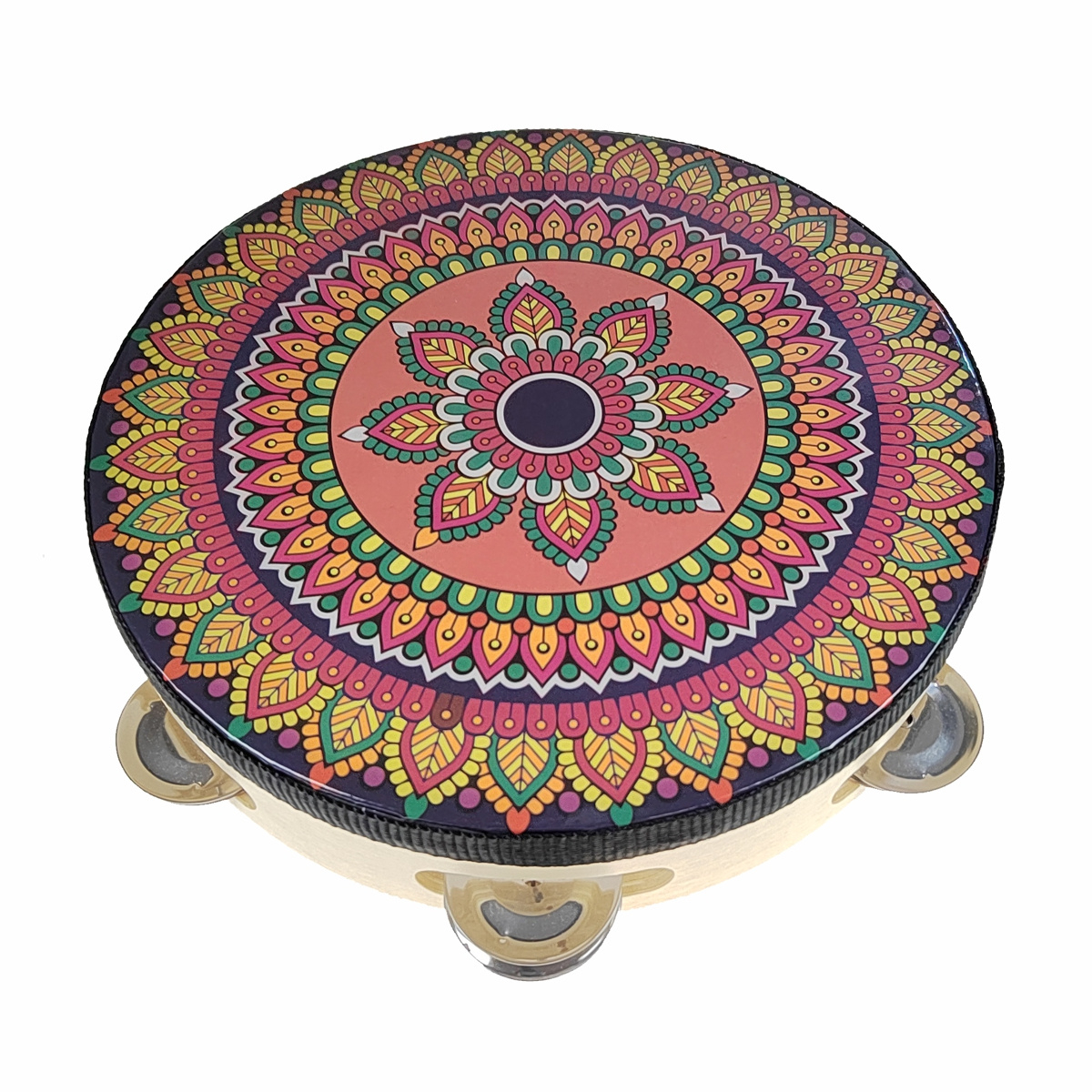
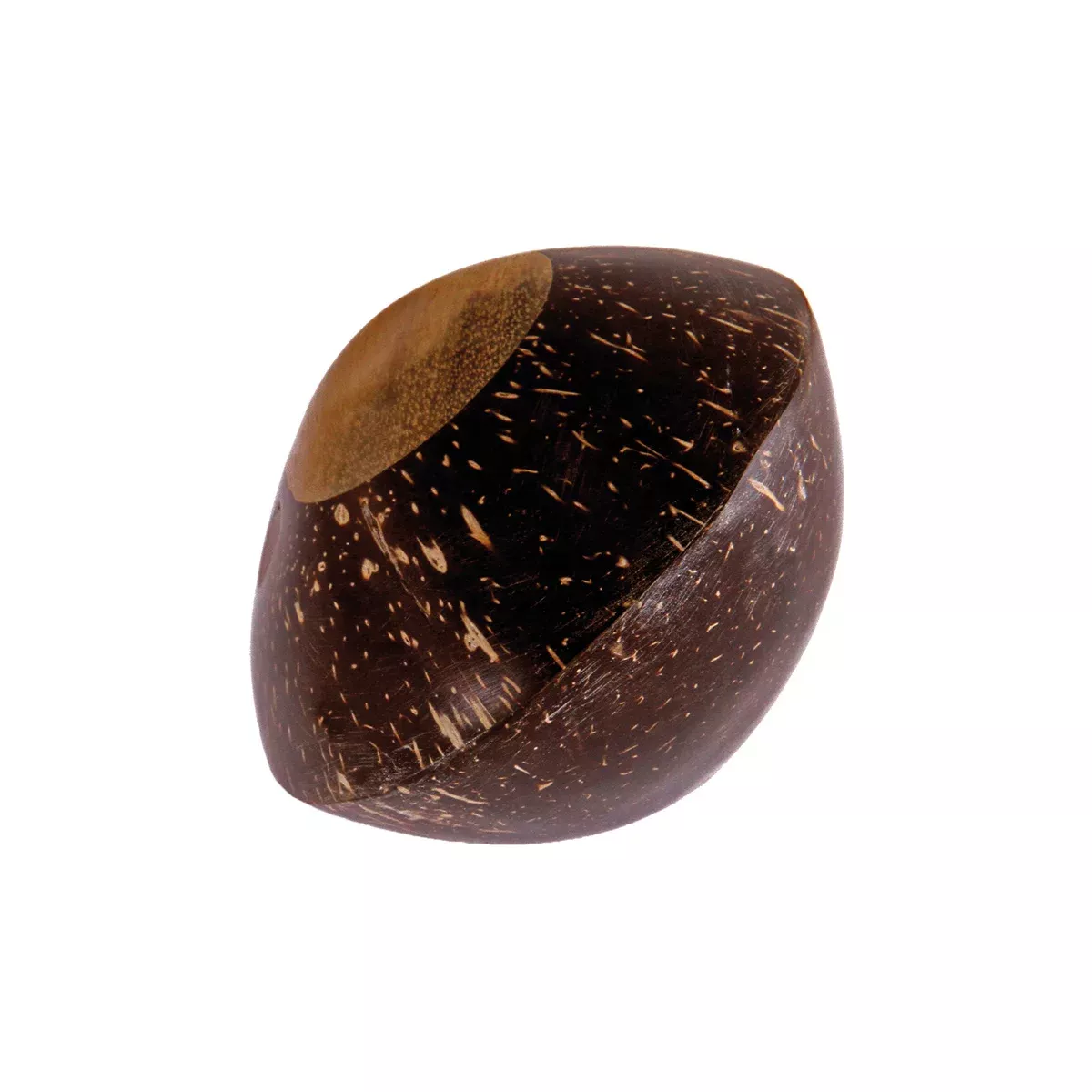
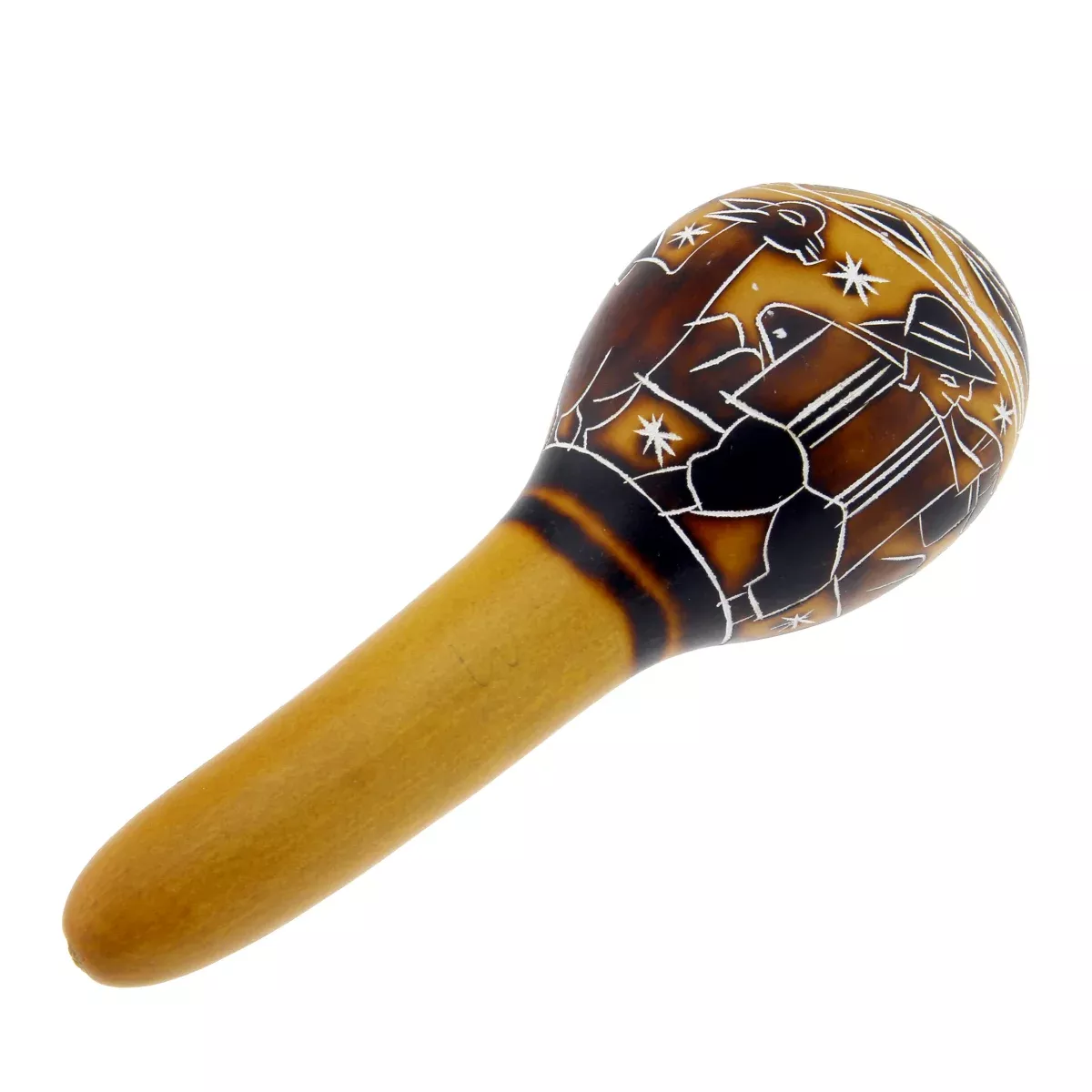
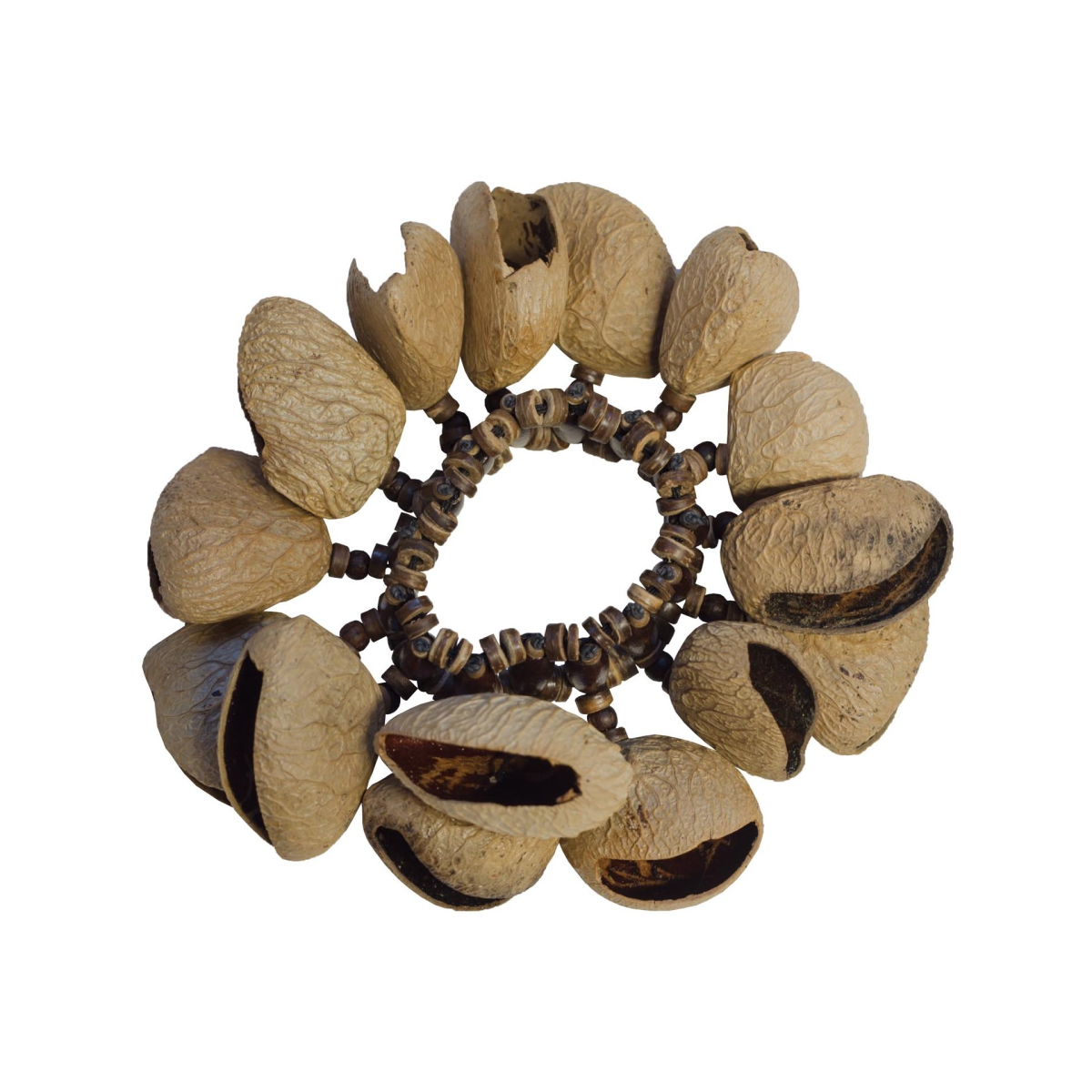
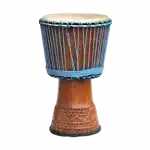
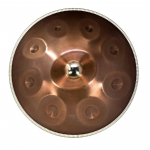
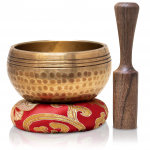
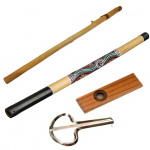
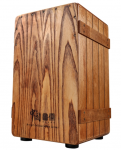
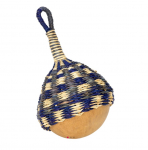
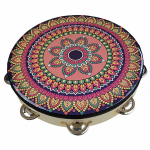
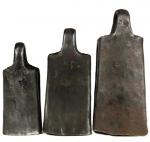
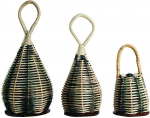
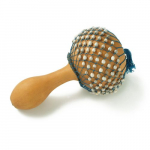
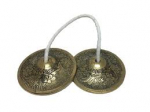
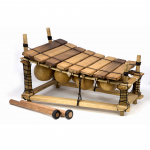
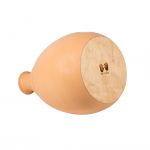
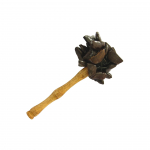
Small percussion instruments suitable for enriching rhythm, teaching, music creation, and various musical activities.
Accessories and equipment for drummers for playing, maintenance, transport, and practical use of drums and percussion instruments.
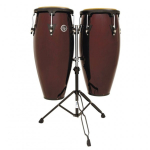
Classic acoustic drums are the foundation of a drummer’s setup in many musical styles. A typical drum kit may include a bass drum, snare drum, toms, and cymbals, while the exact configuration may vary depending on the musical style and the drummer’s requirements.
Drum cymbals are among the basic components of an acoustic drum kit. The most common types include ride, crash, hi-hat, and other special cymbals. They differ in size, thickness, material, manufacturing method, and resulting sound.
Acoustic drums provide a natural response and sound that is created directly by striking a drumhead or cymbal with a stick or pedal. They are particularly suitable for live performances, rehearsal rooms, and studio recording.
Electronic drums are a practical alternative to a traditional acoustic kit. Sound is generated electronically through drum modules, while individual pads respond to strikes in a similar way to acoustic drums and cymbals.
One advantage of electronic drums is the ability to use different sounds, connect headphones, and practice at home. Depending on the specific model, they may also offer a metronome, recording functions, USB or MIDI connectivity, and other features.
Cymbals significantly influence the overall character of a drum kit’s sound. When choosing them, size, thickness, material, manufacturing method, and above all sound characteristics are important.
The best-known types include hi-hat, crash, and ride. In addition, there are many other cymbals designed for specific sound effects or particular musical styles.
Drumsticks are among the most important accessories for drummers. They differ in size, weight, tip shape, material, and overall balance.
Lighter sticks may be suitable for softer playing and longer practice sessions, while heavier and more robust models may provide greater power and volume. The choice always depends on the playing style and the drummer’s personal preferences.
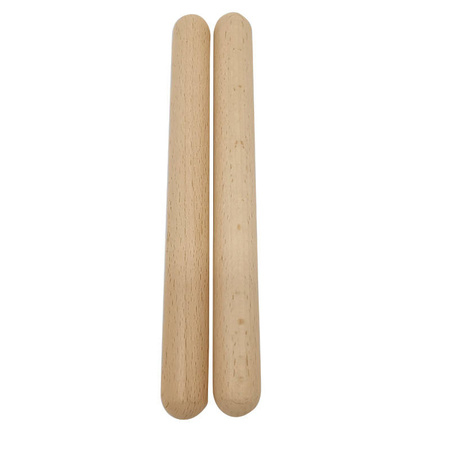
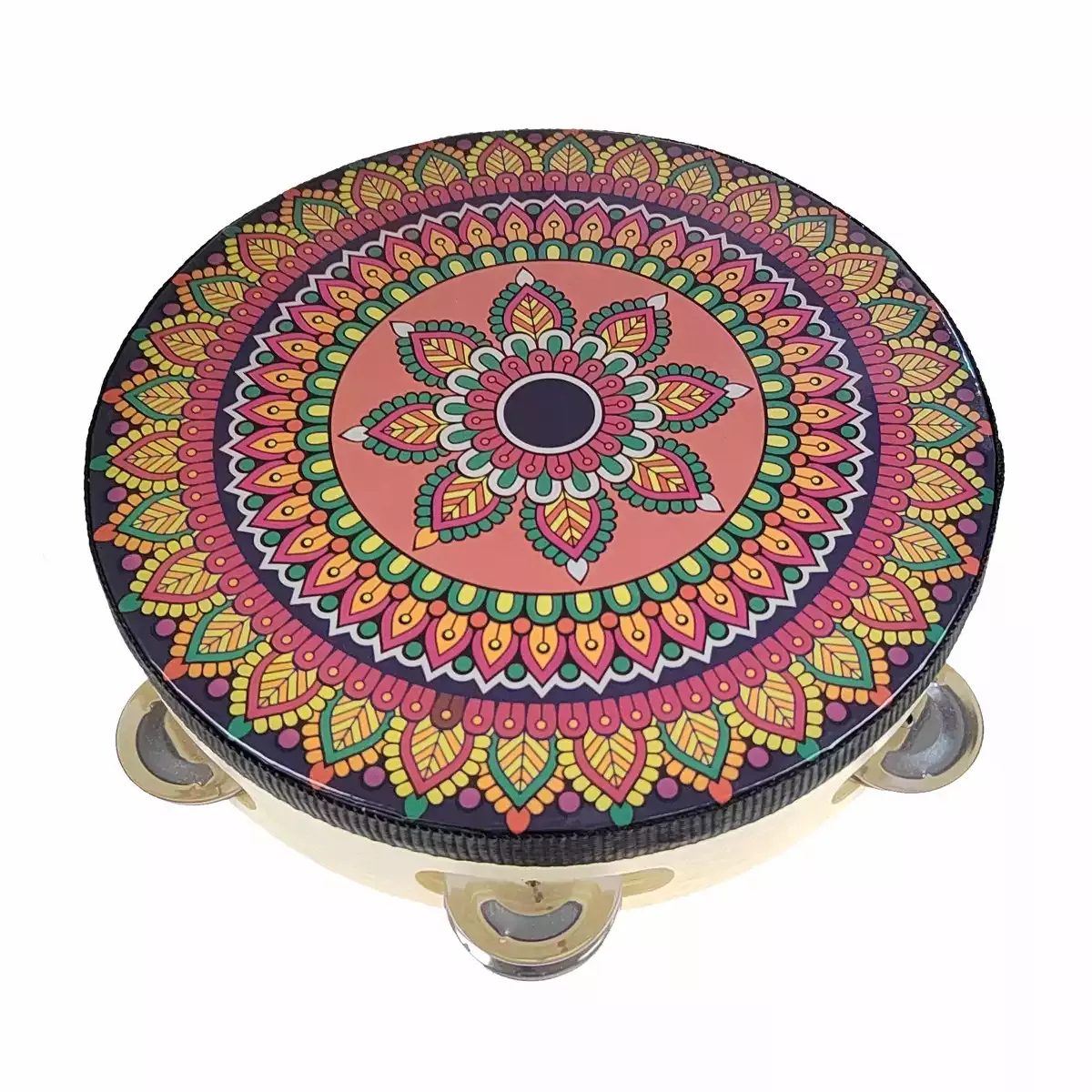
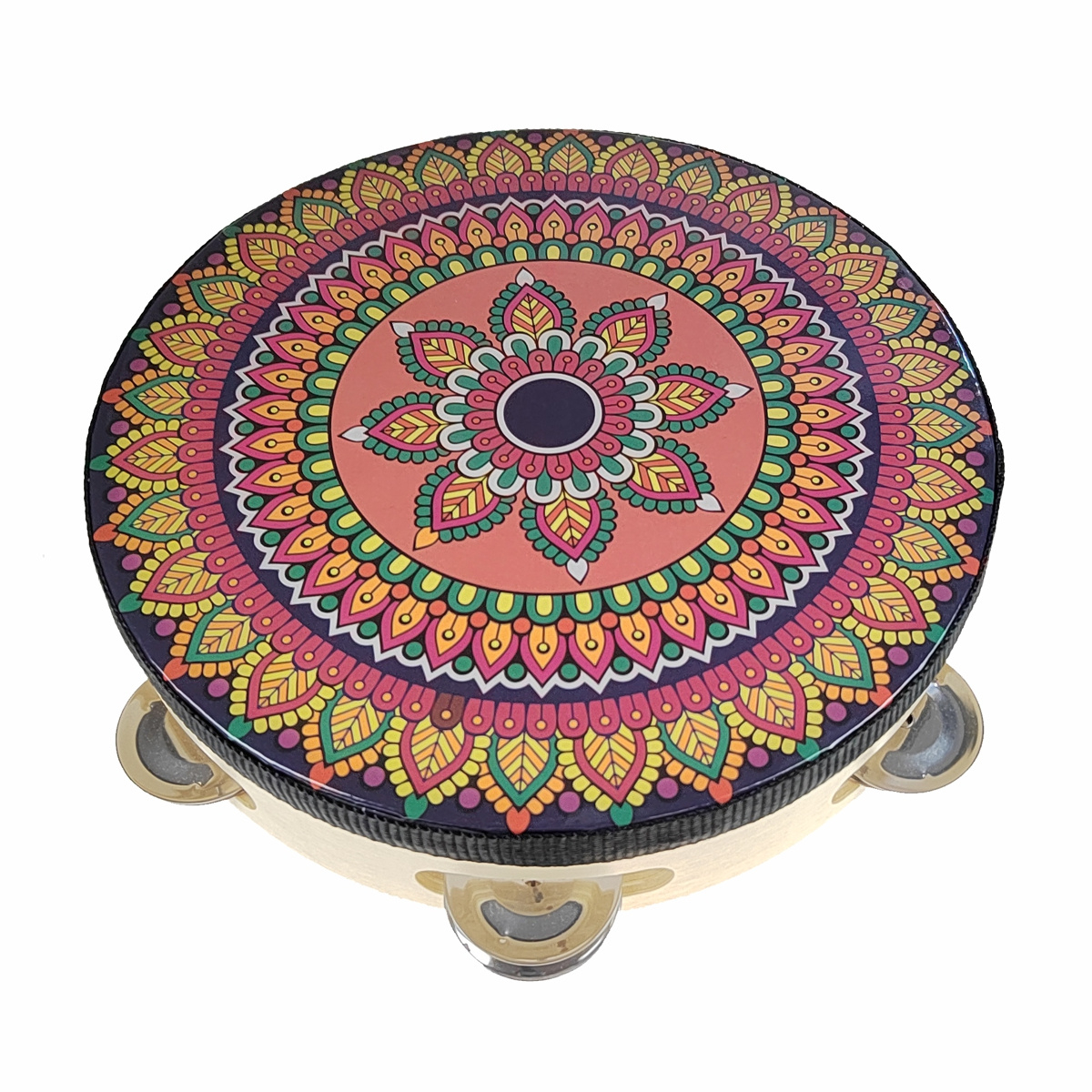
Small percussion instruments expand the possibilities of rhythmic accompaniment and are used in various musical styles, teaching, and music creation. These include instruments such as shakers, tambourines, claves, triangles, cowbells, and various rhythm blocks.
These instruments can be used as an addition to drums or as standalone rhythm instruments. They are suitable for musicians, bands, music teachers, and beginners.
The right accessories can make playing, transport, and maintenance of drums significantly easier. This group includes various drummer accessories that help with the everyday use of the instrument.
When choosing accessories, it is advisable to consider the type of drums, the way they are used, and the drummer’s specific requirements.
Drums and percussion are used across a wide range of musical genres – from rock, pop, and jazz to funk, blues, metal, electronic music, and various forms of modern music.
The choice of a particular instrument depends on the playing style, desired sound, the space in which you will play, and whether you use the instrument for practice, live performances, rehearsals, or recording.
When choosing, it is a good idea to first determine what you will use the instrument for. A drummer who needs a complete kit for concerts has different requirements from someone looking for an instrument mainly for home practice.
With drumsticks and cymbals, it is important to consider mainly the playing style and desired sound. With electronic drums, important factors may also include the option to play with headphones, connectivity, and the features of the drum module.
| Category | What you can find | Use |
|---|---|---|
| Acoustic drums | Acoustic drum kits and their components | Concerts, rehearsals, studio, teaching |
| Electronic drums | Electronic kits, pads, and modules | Practice, home playing, recording |
| Cymbals | Hi-hat, crash, ride, and other cymbals | Sound accents, rhythm, and complementing the drum kit |
| Drumsticks | Drumsticks in various sizes and materials | Playing drums and percussion |
| Small percussion | Shakers, tambourines, claves, triangles, and more | Rhythmic accompaniment, teaching, music creation |
| Accessories for drummers | Accessories and equipment | Playing, maintenance, transport, and practical use |
The category includes classic acoustic drums, electronic drums, cymbals, drumsticks, small percussion instruments, and other accessories and equipment for drummers.
The most commonly used cymbals include hi-hat, crash, and ride. However, there are also many other types and special cymbals designed for specific musical styles or sound effects.
Acoustic drums produce sound mechanically by striking drumheads and cymbals. Electronic drums use sensors and an electronic module that generates or processes the sound. Electronic kits can be especially practical for home practice and playing with headphones.
When choosing drumsticks, it is advisable to consider their size and weight, tip shape, material, and above all the playing style and musical genre. Personal ergonomics and comfort while playing are also important.
Small percussion instruments are used to create and complement rhythm. They can be part of drum and percussion setups, musical accompaniment, teaching, or standalone playing.