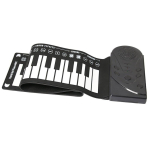
Keyboard instruments are among the most versatile musical instruments. They are suitable for complete beginners, children, music school students, home players, and experienced musicians alike. Depending on how you plan to use them, you can choose simpler keyboards for learning, digital pianos focused on piano playing, or more advanced keyboard instruments with a greater variety of sounds and functions.
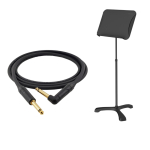
This category includes not only keyboard instruments but also stands, benches, pedals, cases, headphones, power adapters, cables, and other accessories for keyboard instruments. This allows you to complement your instrument according to how you want to use it at home, in a music school, rehearsal room, or on stage.
Price is not the only factor to consider. The most important aspect is how you intend to use the instrument. The requirements will differ for a child just starting with music, a piano student, or a musician who needs a keyboard instrument for rehearsals or concerts.
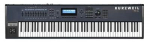
A keyboard is a popular choice for first-time introduction to keyboard instruments. It usually offers multiple sounds, rhythms, and other features that allow you to try out various musical styles.
When choosing a keyboard, pay particular attention to the number of keys, their size and sensitivity, built-in speakers, headphone connectivity, and other features you will actually use while playing.
If your main goal is learning piano and classical playing, a digital piano may be the right choice. These instruments place greater emphasis on the keyboard, touch dynamics, and the overall playing feel.
For more serious piano study, a full range of 88 keys and a hammer-action keyboard, which aims to replicate the feel of an acoustic piano, are often sought after.
The number of keys depends on the type of instrument and its intended use. Smaller keyboard instruments are more compact and can be practical for beginners or simple home playing. A larger range provides more possibilities for advanced playing.
When it comes to keyboard instruments, also pay attention to the type of keyboard. A dynamic keyboard can respond to the force of your touch, allowing you to change the volume and expression depending on how hard you press the keys.
Hammer-action mechanisms are mainly used in digital pianos and are designed to replicate the feel of playing an acoustic piano.
Properly chosen accessories for your keyboard or digital piano can significantly affect your playing comfort, portability, and the practical use of your instrument.
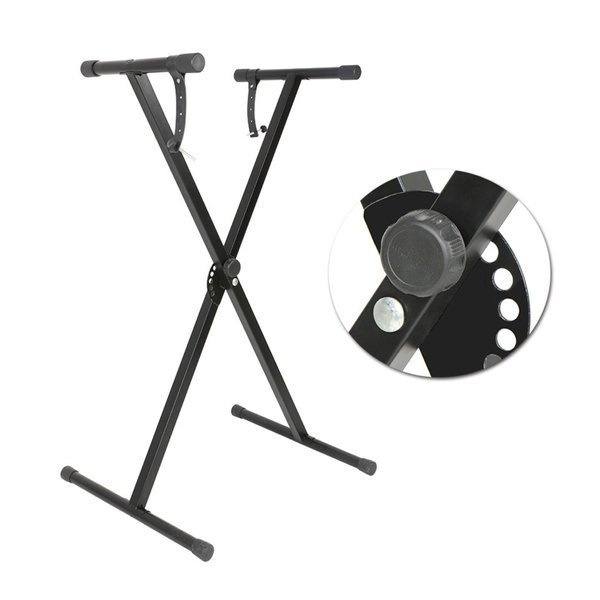
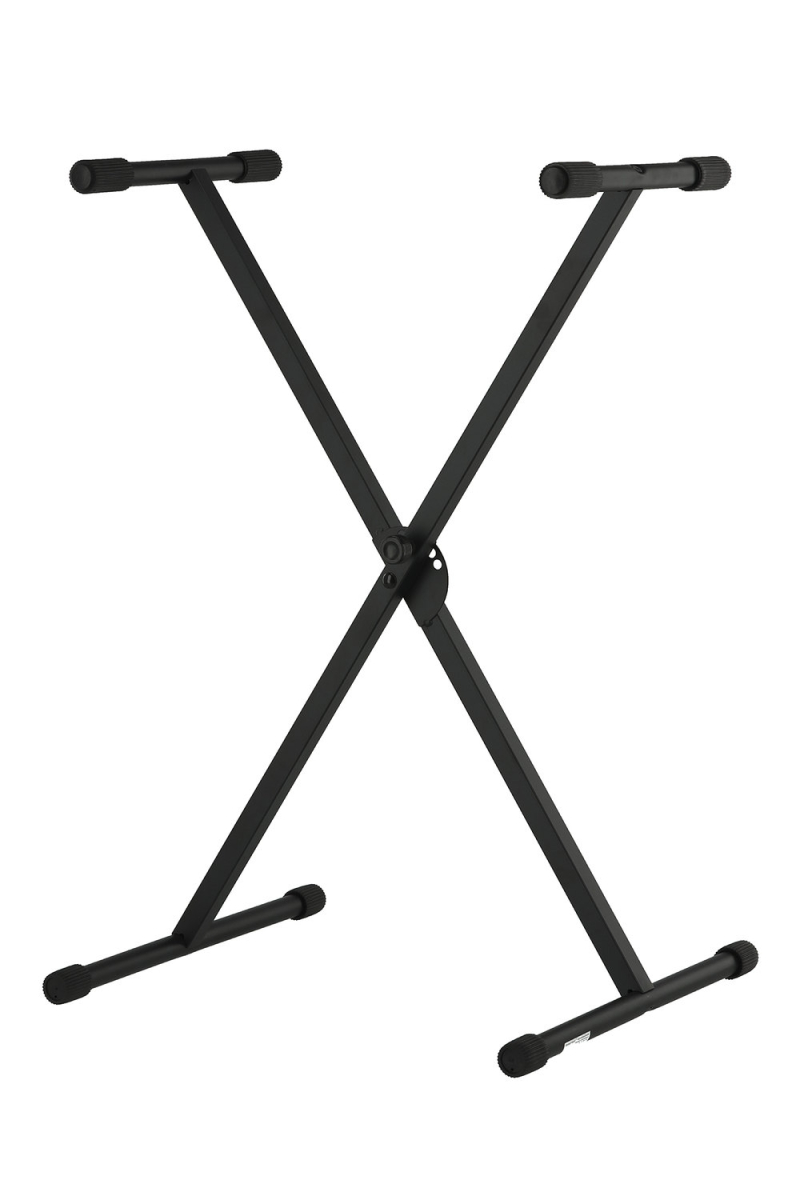
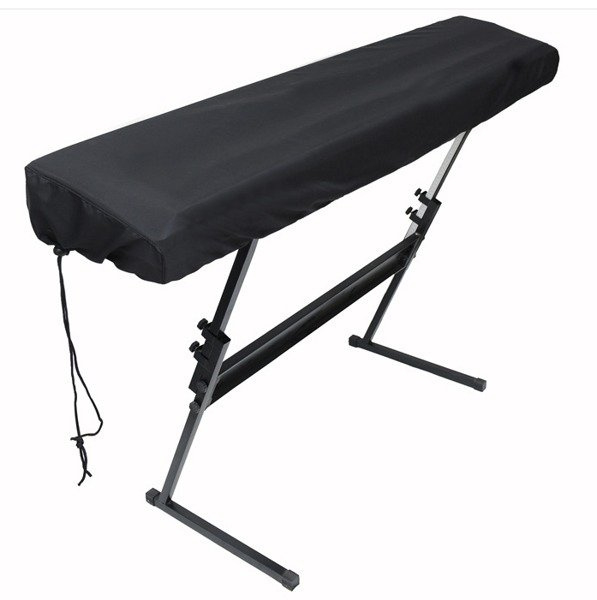
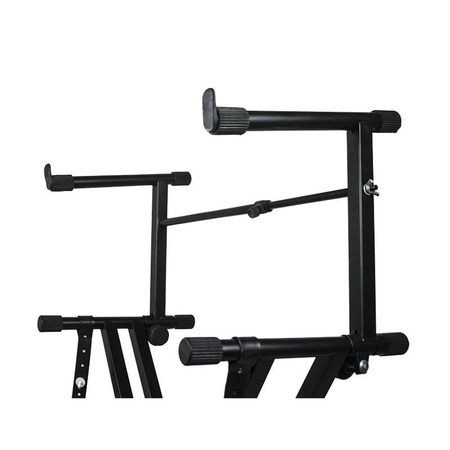
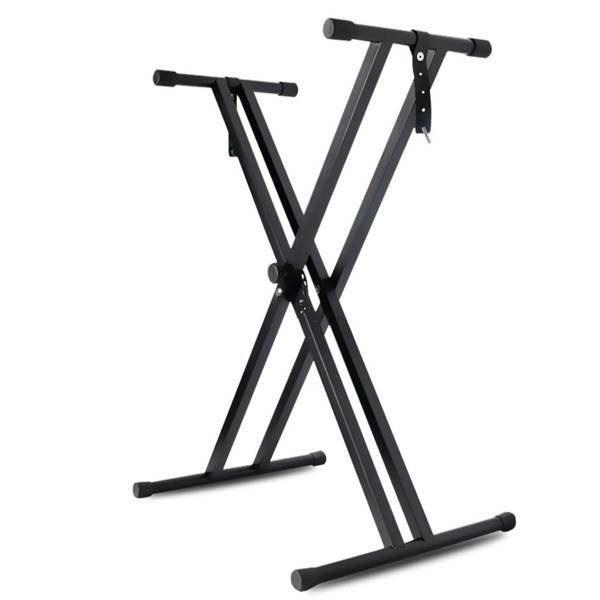
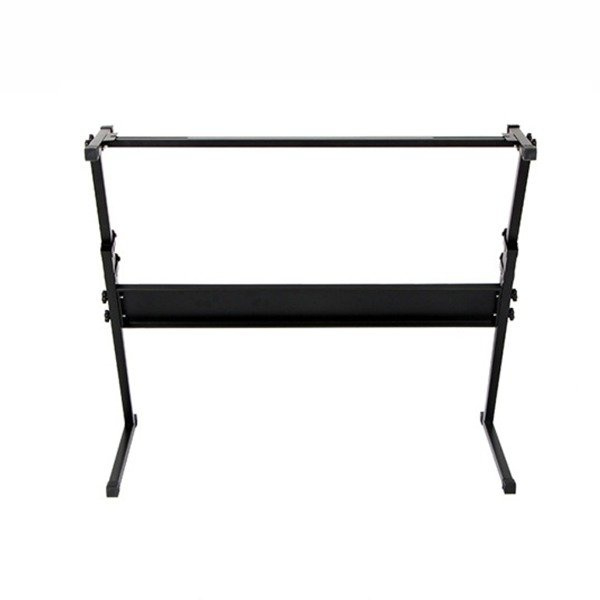
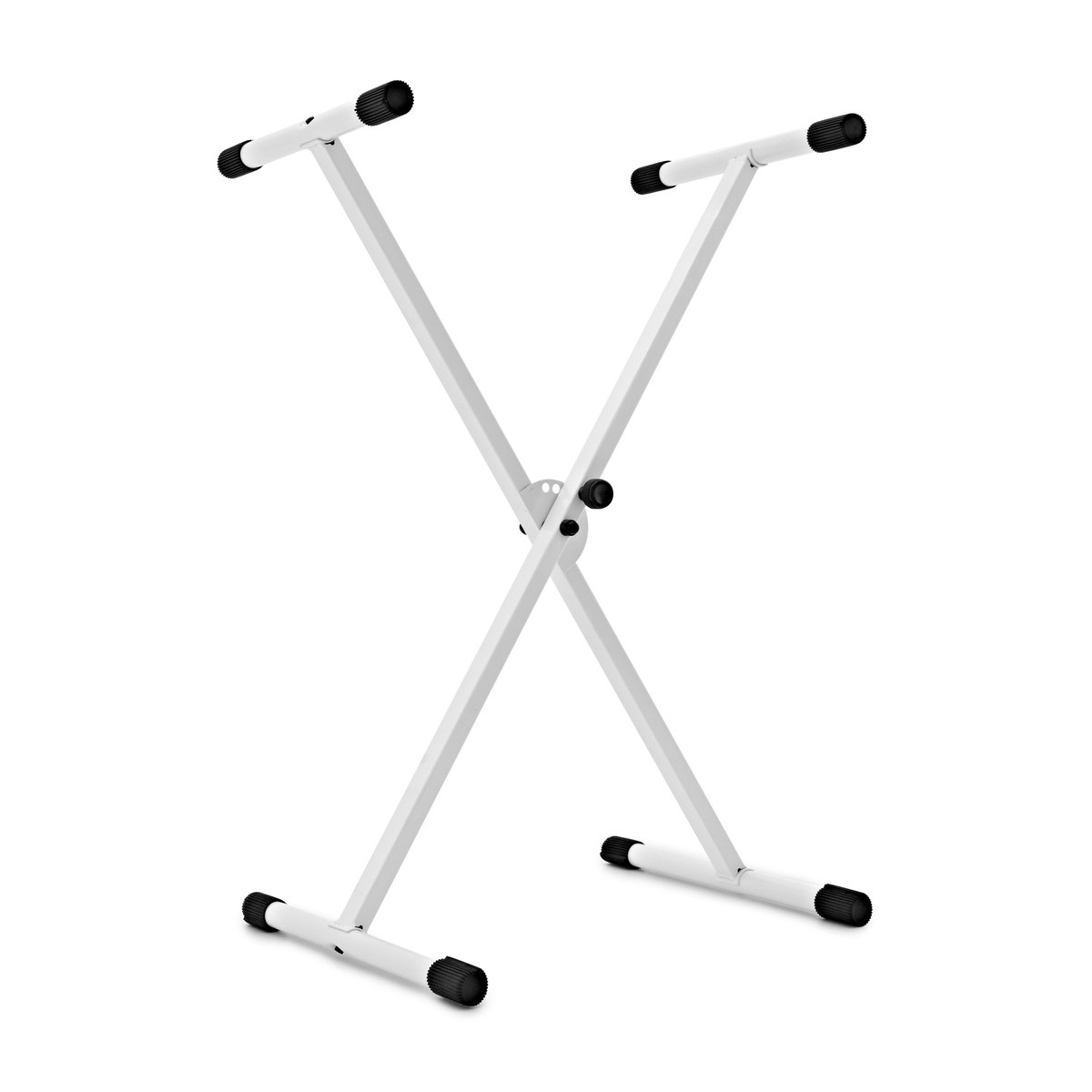
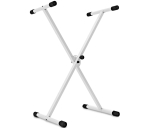
A stand allows you to set the instrument at the right height. When choosing, check the dimensions of your keyboard instrument, its weight, and the stand’s load capacity.
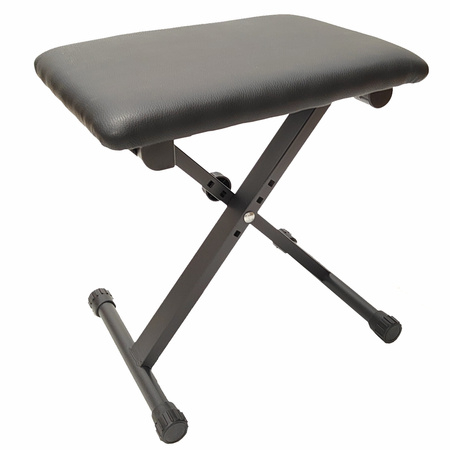
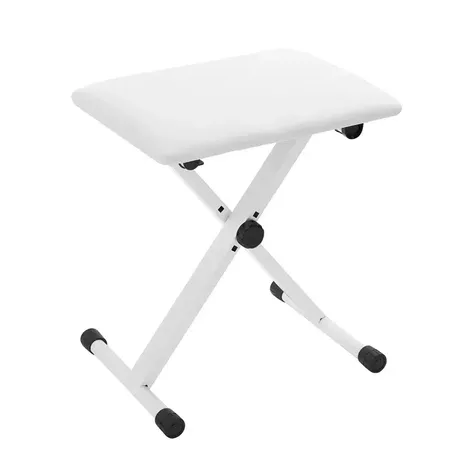
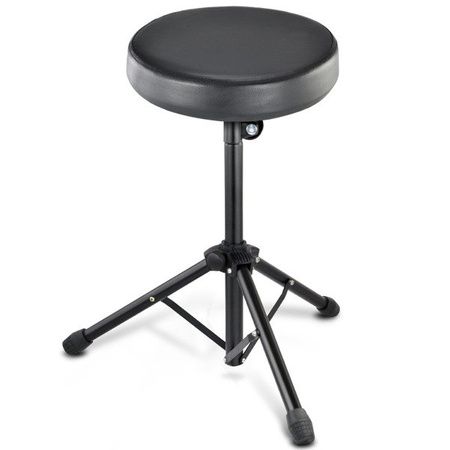
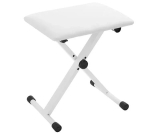
Proper posture is especially important during longer practice sessions. An adjustable piano bench allows you to adapt the height to the player and the specific instrument.
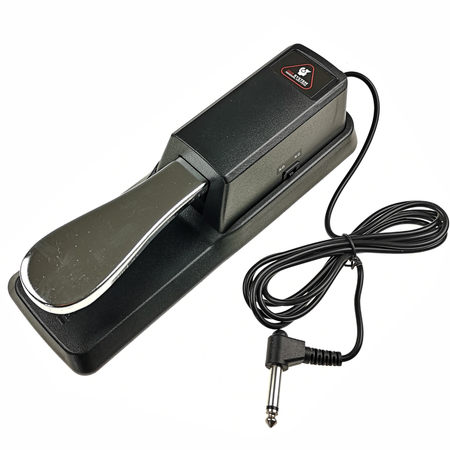
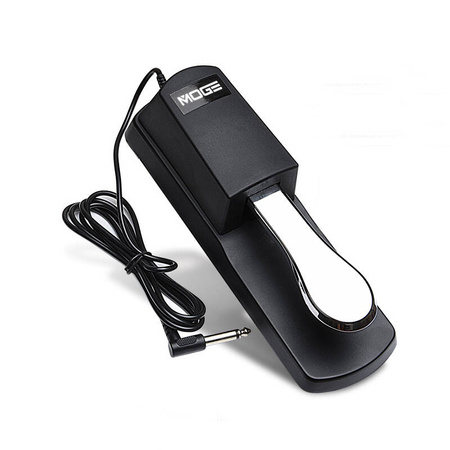
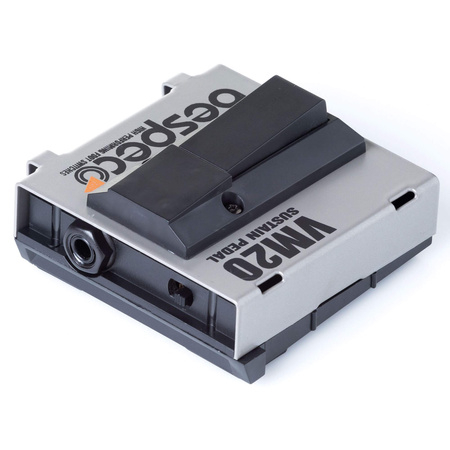
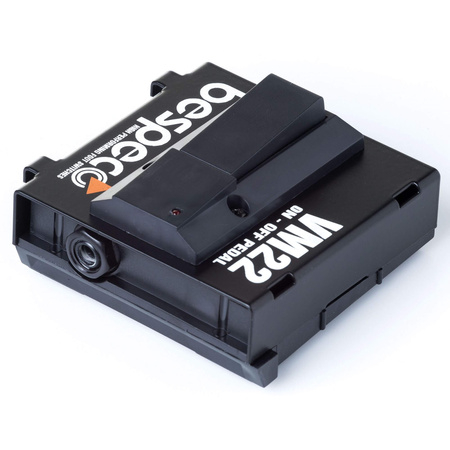
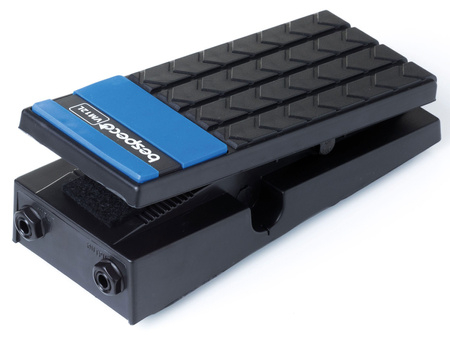
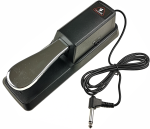
The sustain pedal is among the most commonly used accessories. It allows you to prolong the sound of notes after releasing the keys. Always check the pedal’s compatibility with your specific instrument model before purchasing.
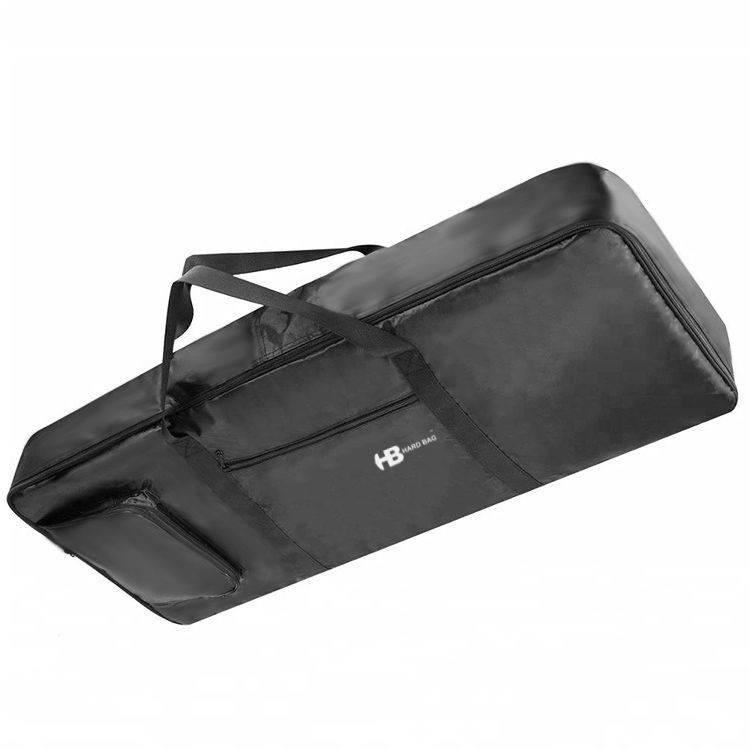
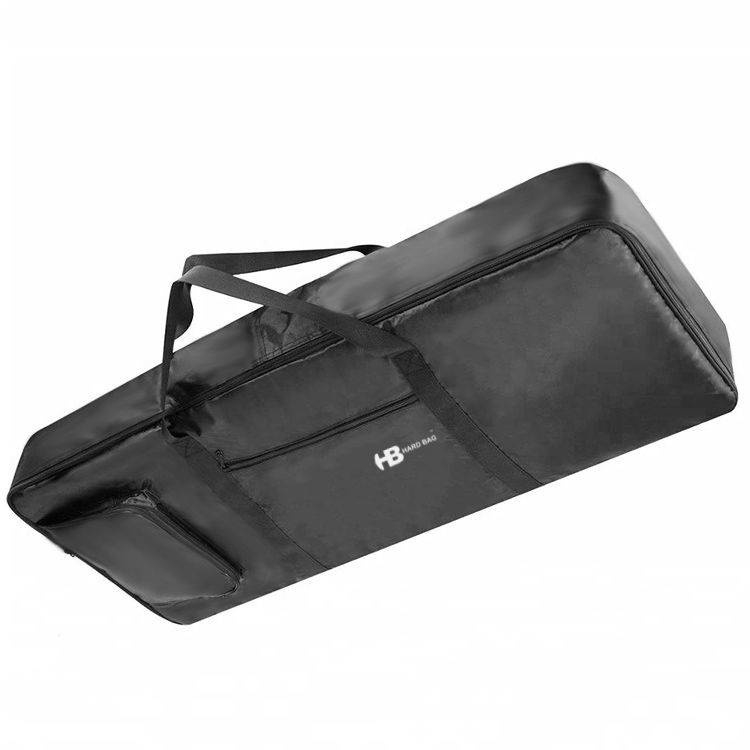
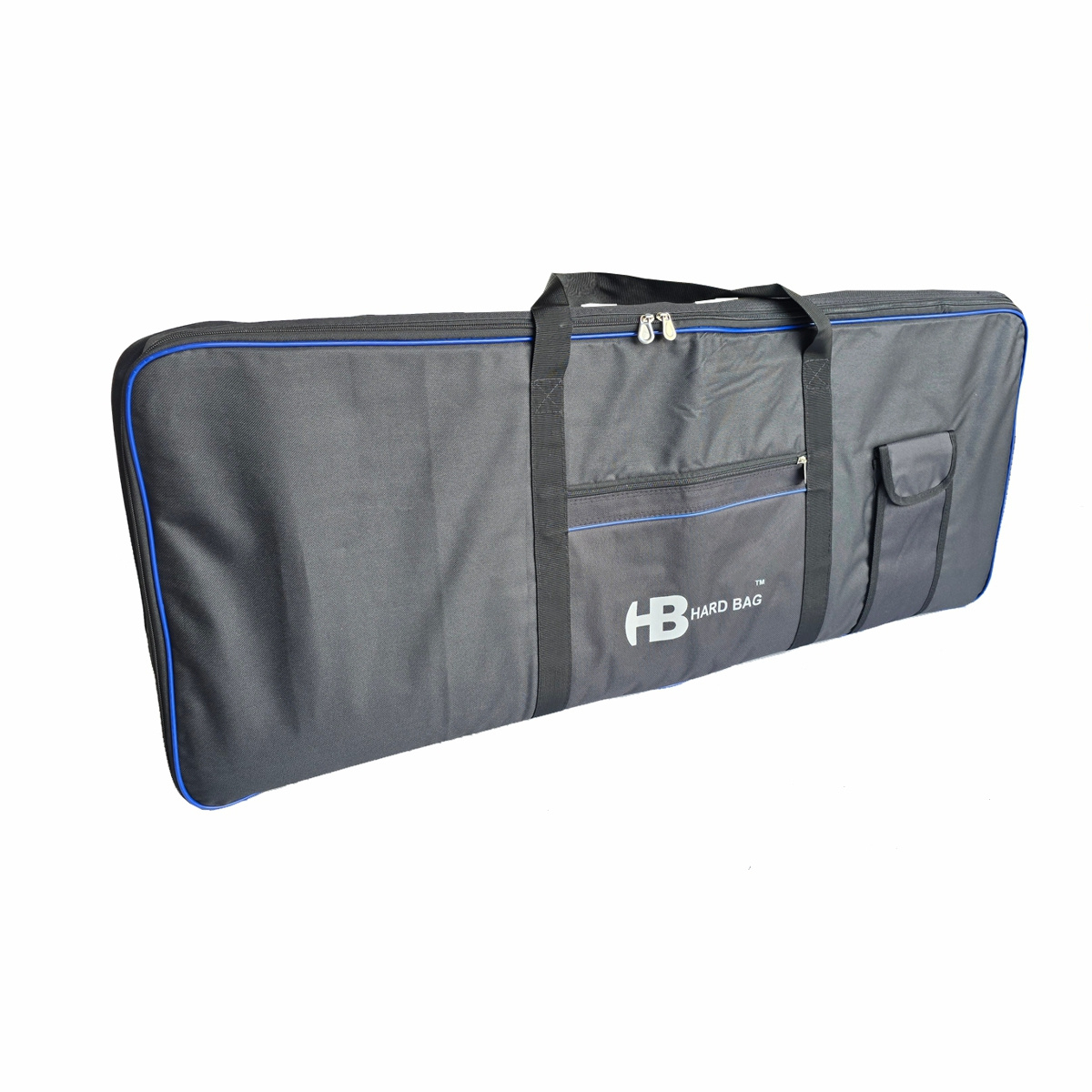
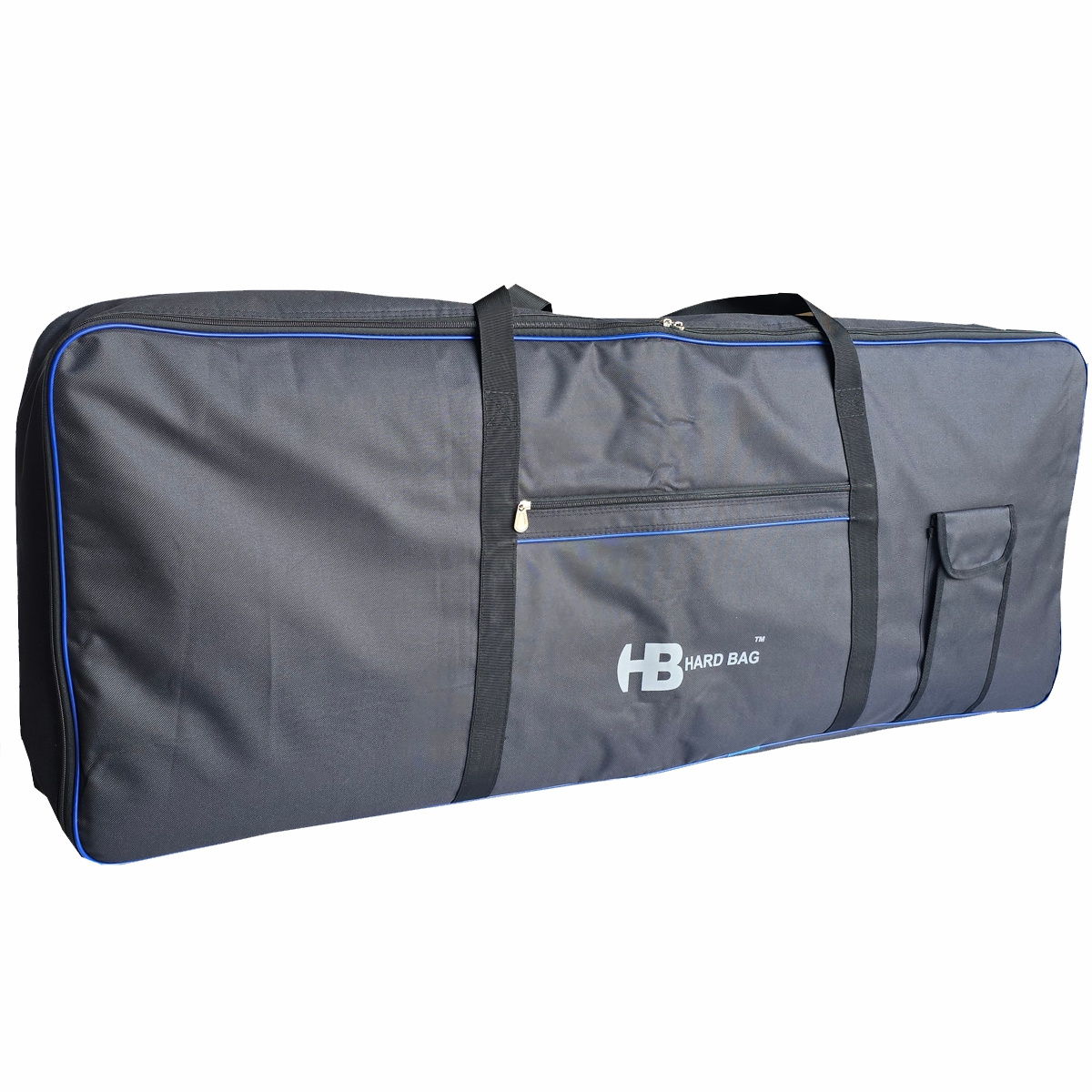
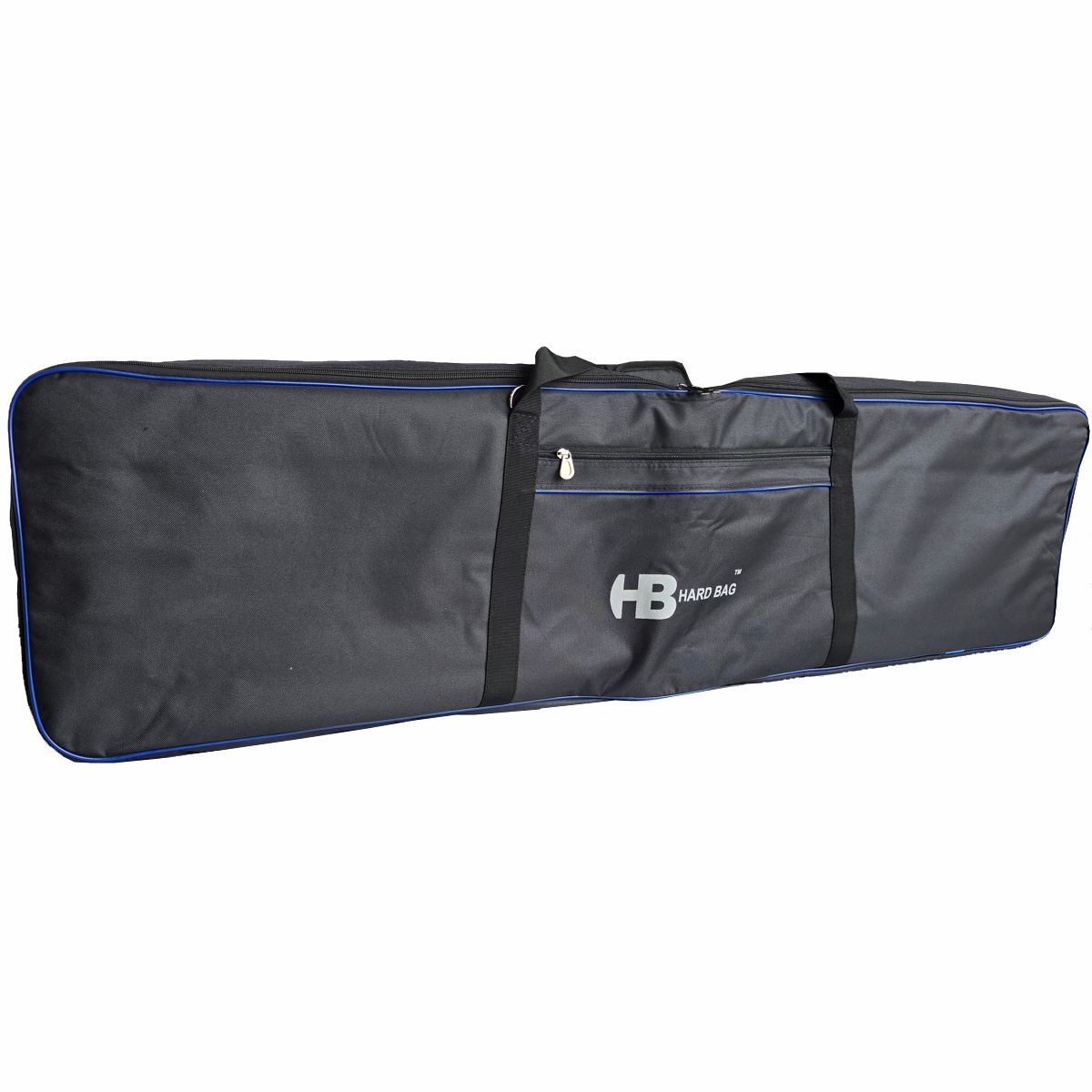
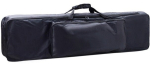
If you transport your instrument regularly, a case for your keyboard instrument is recommended. When choosing, compare the instrument’s dimensions with the internal dimensions of the case and do not rely solely on the number of keys.
One of the practical advantages of electronic keyboard instruments is the ability to practice using headphones. This is especially useful for evening practice, in an apartment, or anywhere you don’t want to disturb others.
For power adapters, it is necessary to follow the parameters specified by the manufacturer of your instrument. When connecting to other equipment, choose a cable according to the available inputs and outputs.
When choosing a keyboard for a child, it’s good to distinguish between an instrument intended for first musical experiences and one for systematic study. If the child attends a music school, it’s advisable to follow the teacher’s requirements regarding the number of keys and type of keyboard.
For home playing, instruments with built-in speakers and a headphone output are practical. Before choosing, also consider where the instrument will be placed and whether you need a separate stand, bench, or the option for easy storage.
It depends on whether you mainly want to get acquainted with music or systematically learn piano playing. For first-time playing, a keyboard may be practical, while for piano lessons, a digital piano with a hammer-action keyboard may be more suitable.
For many keyboard applications and for beginners, 61 keys may be sufficient. However, classical piano playing uses the full range of 88 keys.
A keyboard is often focused on a variety of sounds, accompaniment rhythms, and other features. A digital piano is generally more oriented towards piano playing, the keyboard itself, and the interpretation of piano pieces.
If the instrument does not have its own construction or furniture-style stand, a separate stand is a practical solution. Always check its load capacity and suitability for your instrument’s dimensions.
Not automatically. The instrument must have the appropriate input, and the pedal must be compatible with the specific model.
The actual dimensions of the instrument are most important. Two keyboards with the same number of keys can have different sizes, so always compare the length, width, and height of the instrument with the internal dimensions of the case.
Yes, if your instrument supports them. They allow you to practice without sounding the room. When using headphones, make sure to keep the volume at a reasonable level.
Common accessories include stands, benches, sustain pedals and pedal units, cases, headphones, power adapters, cables, and other add-ons depending on the specific instrument.