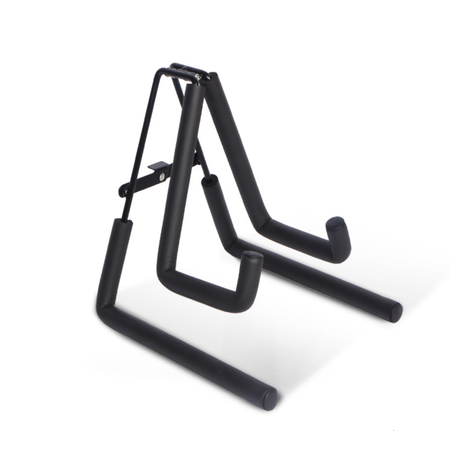
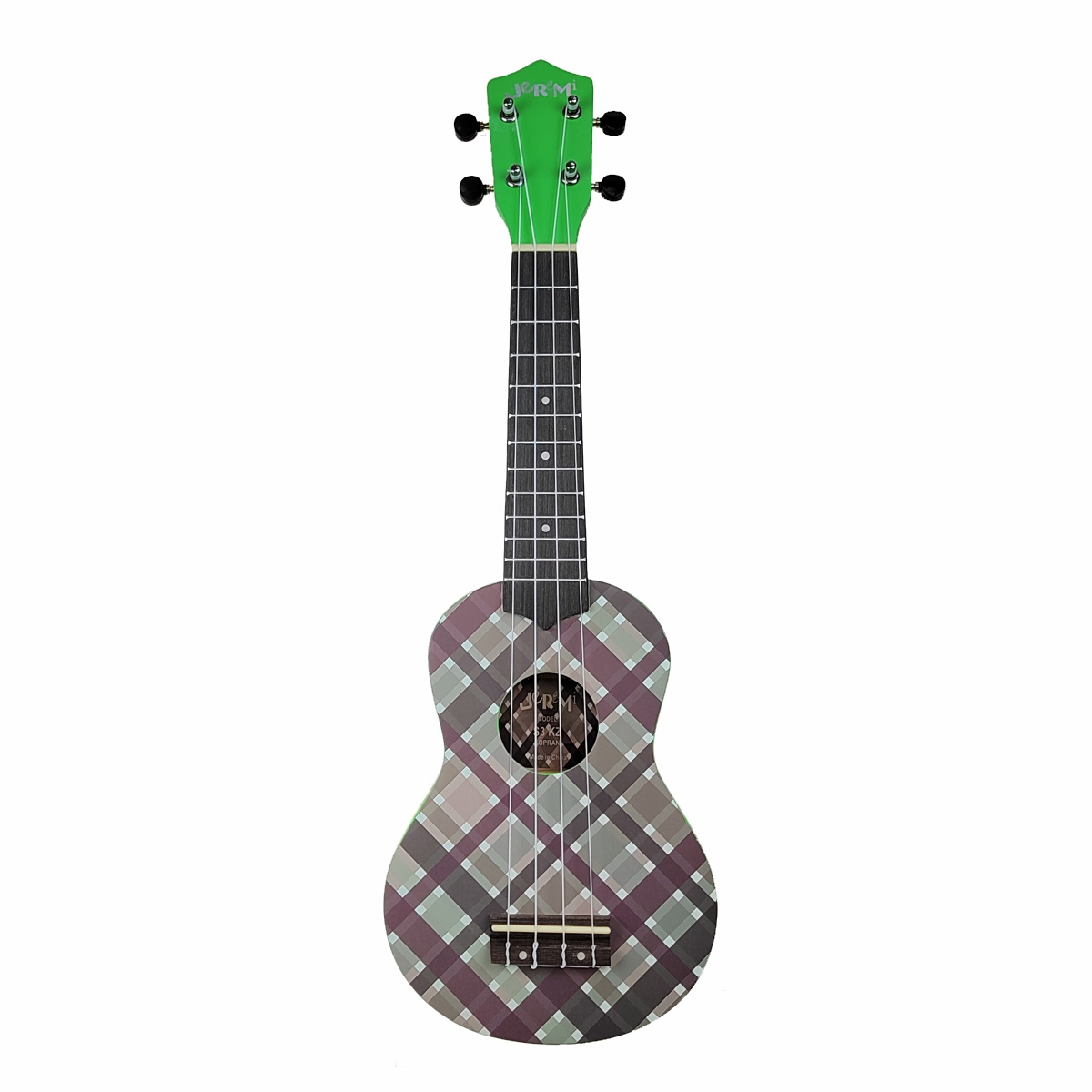
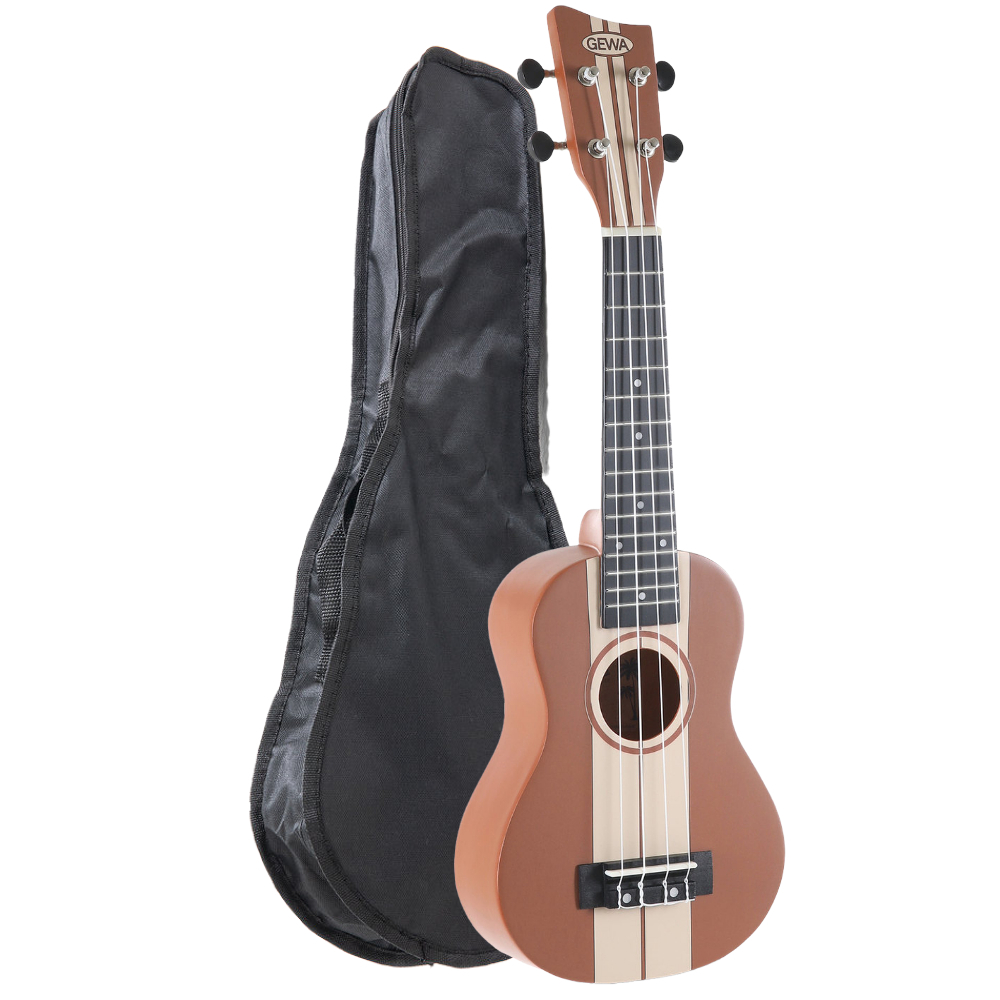
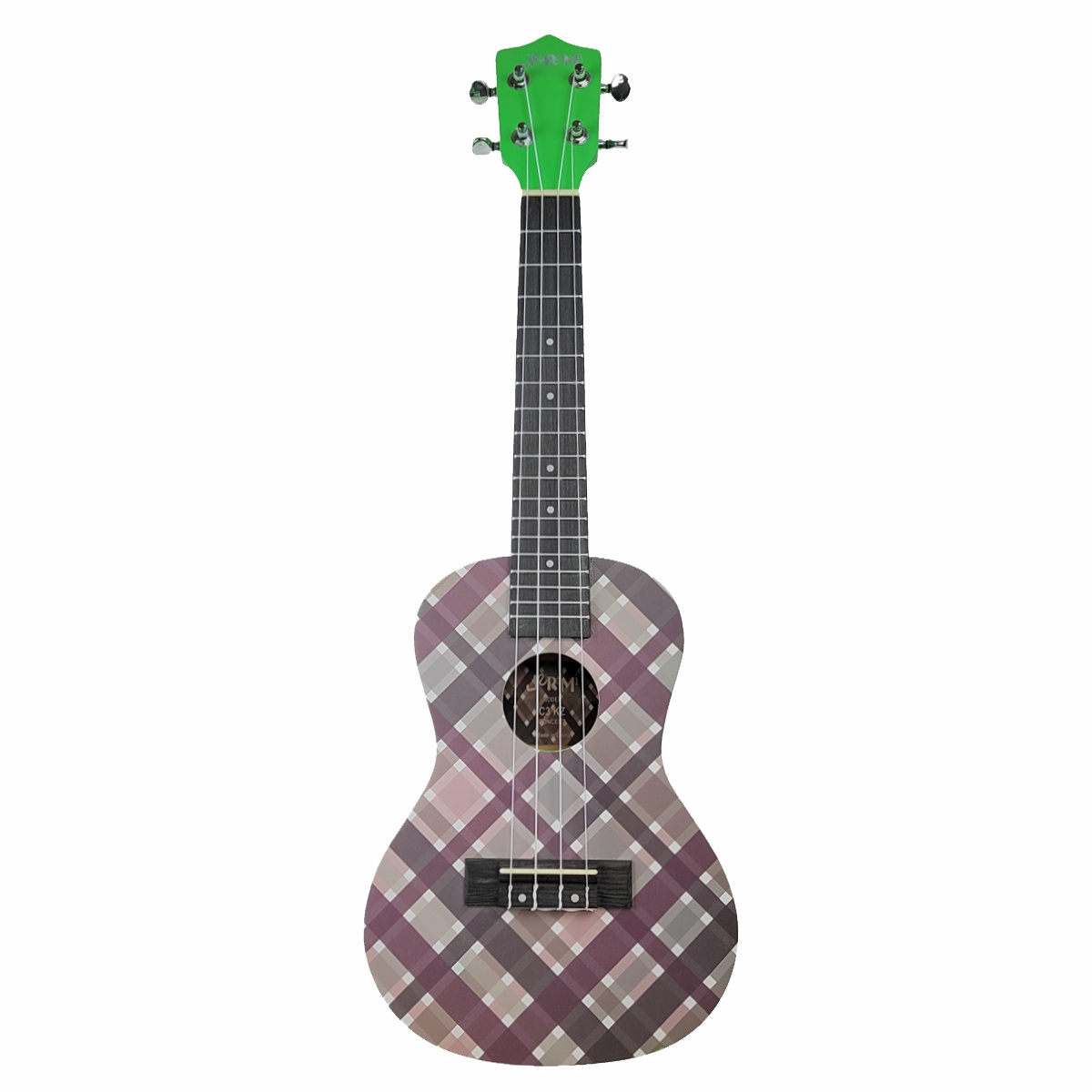
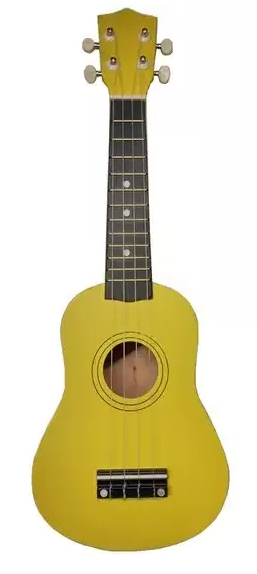
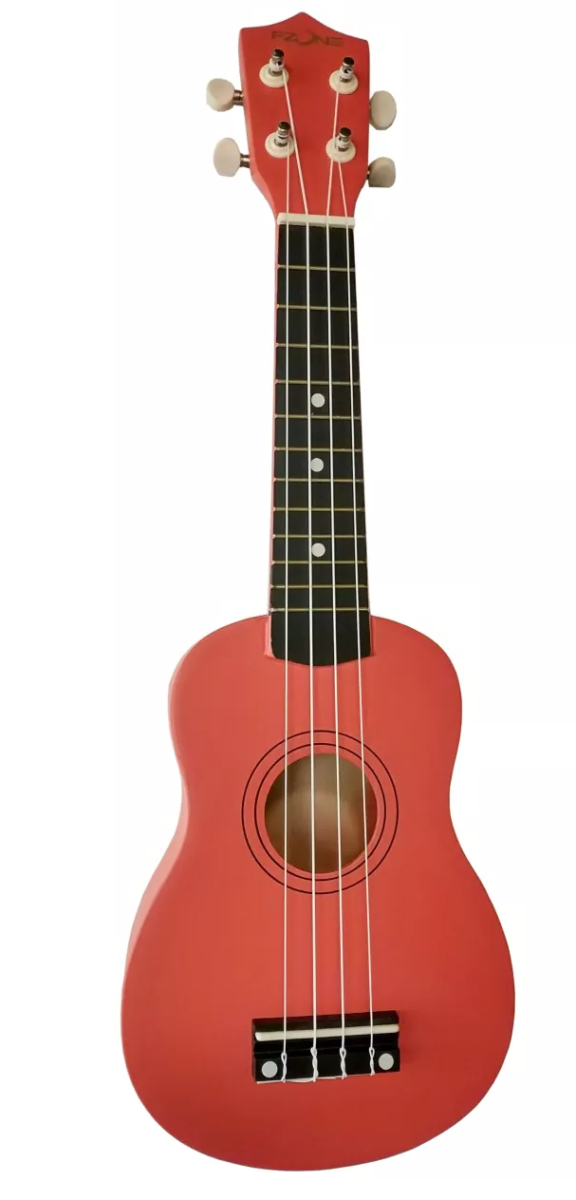
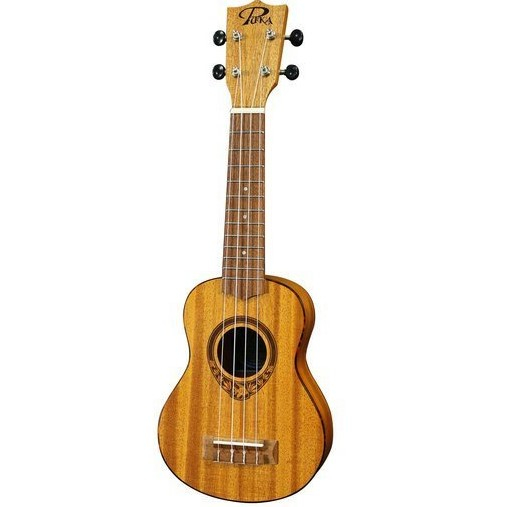
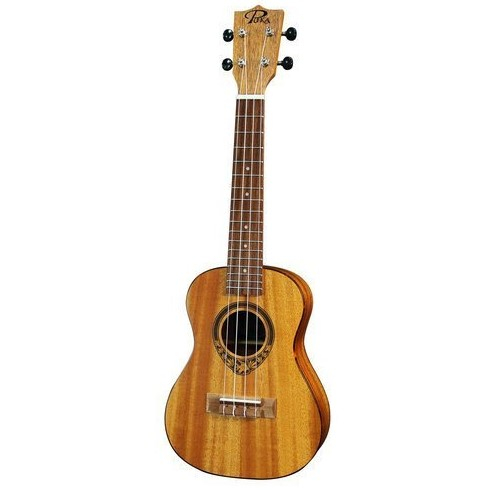
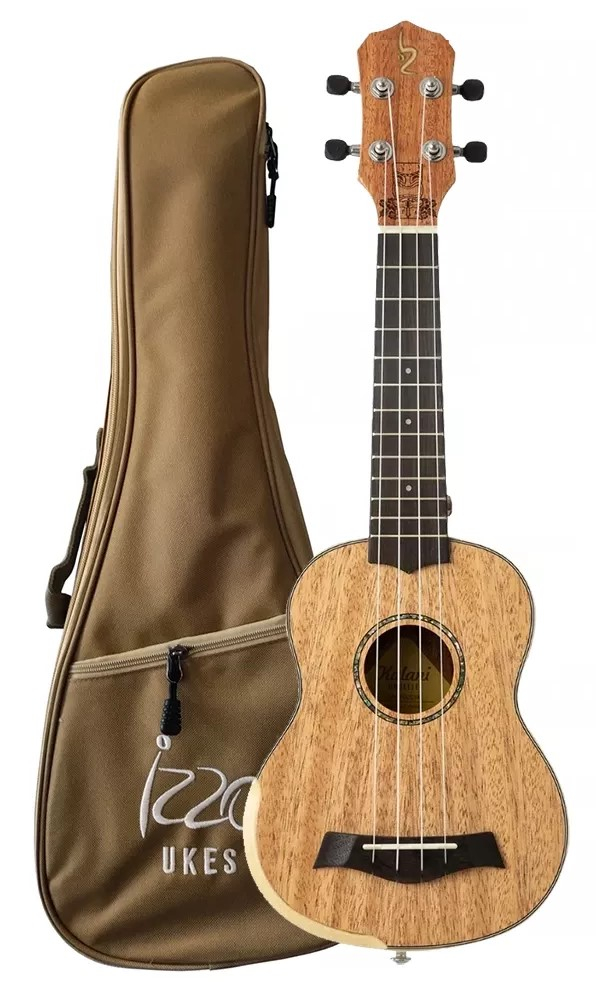
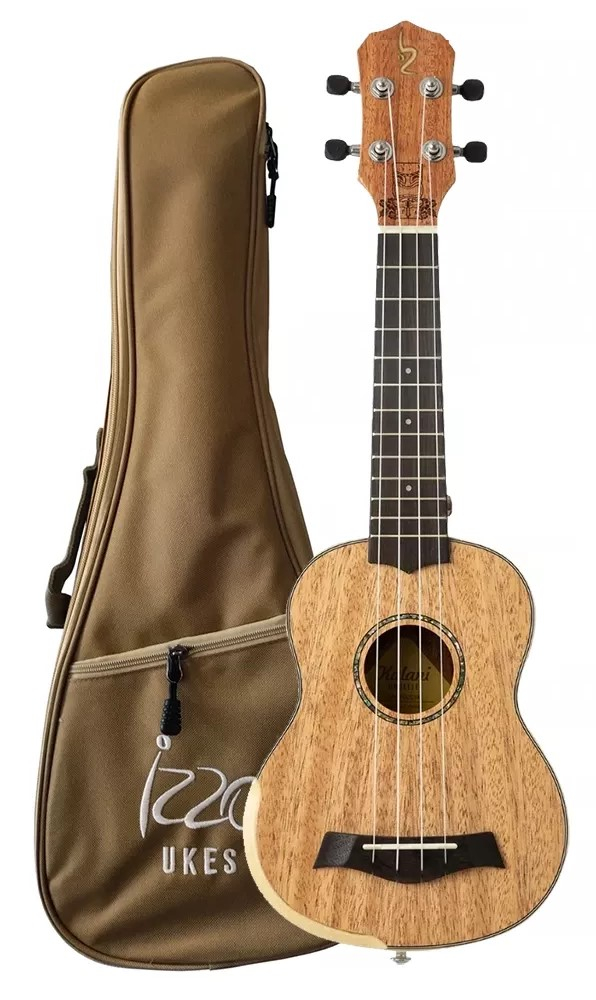
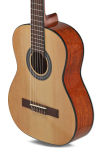
The ukulele is an increasingly popular stringed musical instrument that has won over millions of people around the world thanks to its cheerful, catchy sound, compact size, and exceptional ease of learning. Whether you are looking for your very first beginner ukulele, searching for a compact ukulele for children, or want to expand your collection with a professional all-solid ukulele made from Hawaiian Koa wood, our range offers one of the widest selections of high-quality instruments on the market at great prices.
Display full description
Ukulele: A Complete Guide to Choosing the Right Instrument
The ukulele is an increasingly popular stringed musical instrument that has won over millions of people around the world thanks to its cheerful, catchy sound, compact size, and exceptional ease of learning. Whether you are looking for your very first beginner ukulele, searching for a compact ukulele for children, or want to expand your collection with a professional all-solid ukulele made from Hawaiian Koa wood, our range offers one of the widest selections of high-quality instruments on the market at great prices.
We carefully select our instruments from renowned manufacturers from around the world (such as Ortega, Flight, Cordoba, Kala and Mahalo). Every ukulele is inspected before dispatch, giving you peace of mind that you will receive an excellent instrument with accurate intonation and optimal string action.
Ukulele Types and Sizes: Which Size Is Right for You?
Choosing the right ukulele size not only affects overall playing comfort but also has a significant impact on the instrument's resonance, volume and tonal character.
| Ukulele Type |
Length (approx.) |
Standard Tuning |
Sound Characteristics |
Best Suited For |
| Soprano Ukulele |
53 cm |
G - C - E - A |
Traditional, cheerful and bright, bell-like sound |
Children, travellers, players with smaller fingers |
| Concert Ukulele |
58 cm |
G - C - E - A |
Fuller, deeper and louder tone |
The perfect middle ground: ideal for most adult beginners |
| Tenor Ukulele |
66 cm |
G - C - E - A (or Low-G) |
Rich, bassier sound with long sustain |
Advanced musicians, stage performers and solo players |
| Baritone Ukulele |
74 cm |
D - G - B - E |
Very deep tone reminiscent of a classical guitar |
Guitarists switching to ukulele, lovers of deeper tones |
How to Choose a Ukulele by Construction and Wood Type
The body material has the greatest impact on the acoustic properties and lifespan of the instrument:
-
Laminated ukulele (plywood): The most affordable option. Laminate is highly resistant to changes in humidity and temperature, making it ideal for travelling, camping, playing around the campfire or for young children.
-
Solid-top ukulele (solid soundboard): An excellent compromise between price and sound quality. A solid spruce, cedar or mahogany soundboard provides a dynamically rich sound that gradually opens up and improves the more the instrument is played.
-
All-solid ukulele: Premium instruments designed for demanding musicians. They use high-quality tonewoods such as Hawaiian Koa, ebony, rosewood or solid mahogany. They provide outstanding resonance, a rich harmonic spectrum and impressive sustain.
-
Electro-acoustic ukulele: Equipped with a piezo pickup and preamp (often with a built-in tuner as well). This allows you to connect the ukulele directly to an amplifier, audio interface or PA system for live performances.
Don't Forget Essential Ukulele Accessories
To make your playing experience as enjoyable as possible and keep your instrument in excellent condition for years to come, we recommend adding a few essential accessories to your basket:
- Clip-on tuner: Tune your ukulele quickly and accurately in just a few seconds directly from the headstock.
- Protective case (Gigbag): Protects the instrument from dust, scratches and temperature fluctuations during transport.
- Replacement ukulele strings: High-quality strings (such as those from the Italian brand Aquila) can significantly improve the sound of even a more affordable ukulele.
- Ukulele strap and felt picks: Provide a more comfortable playing position when standing and a softer sound when strumming.
Frequently Asked Questions About Ukuleles (FAQ)
Is it difficult to learn to play the ukulele?
Not at all! The ukulele is considered one of the most accessible musical instruments in the world. It has just 4 soft nylon strings, which are much gentler on your fingers than the steel strings of an acoustic guitar. Even a complete beginner or child can learn their first simple songs and basic chords (C, G, Am, F) after just a few hours of practice.
What is the main difference between a soprano and concert ukulele?
The soprano ukulele is the traditional and smallest model, with a characteristic bright, bell-like sound. The concert ukulele has a slightly larger body, a longer neck and wider fret spacing. This provides more room for the fingers (making it more comfortable for adults), while also producing a fuller, more resonant sound and more stable tuning.
Which ukulele is best for children?
For younger children (up to around 9–10 years old), a soprano ukulele is an ideal choice thanks to its compact size and low weight. If you are looking for an instrument for an older child, a concert ukulele is also an excellent option and can serve them for much longer. We recommend choosing more durable laminated or plastic-hybrid models (such as the Flight Travel series), which can withstand less careful handling.
Why does my new ukulele keep going out of tune?
Don't worry – this is completely normal. New nylon strings need some time to stretch and adjust to the tension after being fitted and during the first few days of playing. After 3 to 5 days of regular retuning, the strings will begin to settle and the ukulele will hold its tuning much more reliably.
Can I use metal guitar strings on a ukulele?
Definitely not! An acoustic ukulele is specifically designed and constructed for nylon or fluorocarbon strings. Metal guitar strings have significantly higher tension, and using them could almost immediately cause irreversible damage, such as pulling the bridge away from the body or warping the ukulele's neck.