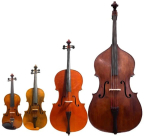
String instruments are among the most expressive and versatile musical instruments. They can produce delicate, lyrical melodies, dramatic orchestral passages and energetic rhythmic accompaniment. Their sound can be heard in classical music, film soundtracks, jazz, folk music, pop and modern experimental music.
Our selection includes violins, violas, cellos, double basses, electric string instruments and a wide range of accessories. Whether you are just starting out, studying at a music school or performing regularly, the right instrument and suitable accessories can help you develop your technique and make the most of your musical abilities.
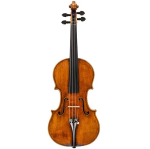
The violin is the smallest and highest-pitched instrument in the traditional string family. Its clear, singing tone and wide expressive range give it an important place in solo, chamber and orchestral music.
Violins are also widely used in folk, jazz, country, pop and many other genres. They are suitable for children, adult beginners and experienced musicians.
Choosing the correct violin size is very important. Adults and older students generally use a full-size 4/4 violin, while smaller sizes such as 1/8, 1/4, 1/2 and 3/4 are intended for children. The appropriate size should ideally be selected according to arm length and a teacher’s recommendation.
Complete violin sets can be convenient for beginners and, depending on the package, may include the instrument, bow, case and rosin. More advanced players often prefer to select the violin and accessories separately according to their individual requirements.
The viola is slightly larger than the violin and is tuned lower. Its characteristic warm tone plays an important role in string quartets, chamber ensembles and symphony orchestras.
Although it looks similar to the violin, the viola has its own tonal character and uses C–G–D–A tuning. It is used in classical music as well as contemporary and experimental projects.
When choosing a viola, pay particular attention to body size, playing comfort and sound quality. Violas are often described by body length in inches, such as 15", 15.5" or 16". The appropriate size depends on the player’s body proportions and technical capabilities.
The cello is one of the most expressive members of the string family. Its wide tonal range allows it to produce both deep bass notes and powerful singing melodies that are often compared to the human voice.
The cello is played while seated, with the instrument supported on the floor by an adjustable endpin. It is used for solo performance, chamber music, orchestral playing and modern music.
Full size 4/4 is standard for adults. Smaller sizes such as 1/4, 1/2 and 3/4 are available for younger players. Choosing the correct size is important for comfortable posture, reaching the fingerboard and developing proper technique.
When purchasing a cello, remember to consider a suitable bow, rosin, protective case and, if needed, an anti-slip pad or endpin stopper.
The double bass is the largest and lowest-pitched instrument in the traditional string family. It provides a deep tone and forms the harmonic and rhythmic foundation of many musical ensembles.
It is an essential part of symphony orchestras, jazz bands, chamber groups and folk ensembles. In addition to bowing, players frequently use pizzicato, where the strings are plucked with the fingers.
When choosing a double bass, consider the size, scale length, playing comfort and intended use. The 3/4 size is very common and is frequently used by adult players. Smaller versions are available for younger musicians.
Choosing the right bow is also important. Double bass bows are available in different designs, including German and French grip styles.
If you want to expand your musical possibilities, explore electric violins and other electric string instruments. Their electronic pickup systems allow connection to a suitable amplifier, audio interface or effects processor.
Electric models are popular in modern pop, rock, electronic music and experimental sound projects. They allow musicians to work with effects, recording and stage amplification.
When choosing one, consider the pickup system, power supply, available outputs, weight and ergonomics. Some models also allow silent practice with headphones if they have the appropriate output and electronics.
The right bow has a major influence on playing comfort, instrument response and musical expression. Our range includes bows for violin, viola, cello and double bass.
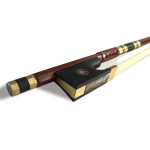
When choosing a bow, consider its size, weight, balance, material and hair quality. Traditional wooden bows are common, as are models made from composite materials and carbon fibre.
Wooden bows offer a traditional character and a wide variety of playing qualities. Carbon and composite bows can be an attractive alternative for players who value durability, resistance to normal humidity changes and practicality during frequent transport.
When choosing a bow for a child, it is important to select the correct size for the instrument. A bow that is too long or too heavy can make it more difficult to develop proper technique.
Strings are among the most important consumable accessories for string instruments. Their material, construction and tension affect tone colour, projection, response and playing feel.
Our range includes complete sets and individual strings for violin, viola, cello and double bass. When choosing, focus on the correct instrument size, desired tension and preferred sound character.
Strings are made with different types of cores, including synthetic, steel and gut. Each material has its own characteristics, so the best choice depends on the instrument, musical style and personal preferences.
Check your strings regularly and replace them according to playing frequency, wear and the manufacturer’s recommendations. If you are inexperienced, avoid replacing all strings at once without securing the bridge.
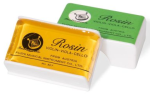
Without rosin, a standard bow cannot create enough friction to set the strings into proper vibration. Rosin is therefore an essential accessory for every string player.
You can choose from light and dark rosins in different formulations and designs. Some are intended for a specific instrument, while others are more versatile.
When selecting rosin, consider the desired grip, ambient temperature and humidity, bow type and personal preference. Apply it evenly and in moderation. Excessive rosin can create more dust and lead to resin build-up on the instrument.
String instruments are sensitive to mechanical damage, sudden temperature changes and unsuitable humidity levels. A high-quality case or bag is therefore an important part of every musician’s equipment.
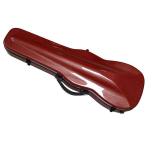
Our range includes soft bags and hard cases for different instrument types and sizes. When choosing, consider how the instrument will be transported, the weight of the case, level of protection and available accessory storage.
Lightweight cases with straps are practical for daily trips to music school. For frequent travel and more demanding transport, a stronger case with greater mechanical protection may be more suitable.
Useful accessories can also include separate bow cases, protective covers and humidity-control products.
Correct tuning is essential for good musical performance. For this reason, our string instrument category also includes tuners and practical tuning tools that help prepare your instrument for playing.
Electronic chromatic tuners allow precise tuning of individual strings. Clip-on models detect instrument vibrations and can be practical even in noisier environments.
Tune carefully, especially when using traditional wooden pegs. If a peg sticks or fails to hold tuning, professional adjustment may be required.
If you play in a band, perform on stage or record music, a suitable pickup for violin, viola, cello or double bass can help transfer the instrument’s sound into an amplification or recording system.
When choosing a pickup, consider the mounting method, compatibility with the specific instrument and any additional equipment that may be required. Some pickups may need a suitable preamp or DI box.
For electric string instruments and amplified acoustic models, other useful accessories can include cables, headphones and effects processors.
In addition to instruments and essential equipment, we offer a variety of practical accessories that can make playing, transport and maintenance easier.
Several factors should be considered when selecting a string instrument. The right instrument should suit your physical abilities, playing level, musical goals and budget.
If you enjoy bright, lyrical melodies and broad versatility, the violin can be a suitable starting point. The viola offers a deeper and warmer tone, the cello has a strong singing character, and the double bass provides a deep sonic foundation.
Electric string instruments are an interesting choice for players who want to experiment with effects, amplification or modern musical styles.
Correct instrument size is especially important for children. An instrument that is too large can cause discomfort, make correct posture more difficult and interfere with technical development.
When selecting a child’s violin, viola, cello or double bass, we recommend following a teacher’s advice and, where possible, trying the instrument in person.
Student models and complete sets are practical for beginners and may include everything needed for the first lessons. More advanced players often look for instruments with specific tonal characteristics, higher-quality construction and greater possibilities for individual adjustment.
Materials and construction affect both the sound and mechanical characteristics of the instrument. Acoustic string instruments traditionally use spruce for the top and maple for other parts of the body, although the exact materials vary depending on the model and price range.
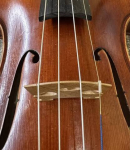
In addition to the wood, consider the quality of the bridge, pegs, fingerboard, tuning components and overall instrument setup.
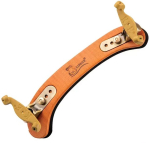
In addition to the instrument itself, you will usually need a suitable bow, rosin, case and tuner. A shoulder rest can be useful for violin and viola, while cello players may benefit from an endpin stopper.
Always check the package contents before purchasing. Some instruments are sold as complete sets, while others are supplied separately without a bow or case.
If you are just starting to learn music, the most important factors are choosing the correct size and an instrument that is comfortable to hold and can be tuned reliably. A well-set-up student instrument can make the first months of learning considerably easier.
If you already have experience and want to progress further, focus on tone character, instrument response, playing comfort and individual adjustment options.
For performing musicians, sound projection, tuning stability, a suitable bow and reliable transport accessories are also important.
Regular maintenance helps keep the instrument in good condition and extends the life of its individual components.
Proper care is important for both student instruments and more valuable concert models.
It depends on musical preferences, age and the player’s physical abilities. The violin is a common choice, but viola, cello or double bass can also be suitable first instruments. Choosing the right size and a properly set-up instrument is essential.
Most adults use a full-size 4/4 violin. However, players with a smaller build or shorter arms may benefit from an individual size assessment.
Choose the size according to arm length and the teacher’s recommendation. Children use reduced sizes such as 1/8, 1/4, 1/2 or 3/4. Age alone is not always a reliable indicator of the correct size.
The viola is generally larger than the violin and is tuned lower to C–G–D–A. The violin is tuned G–D–A–E and has a brighter, higher-pitched tone.
In addition to a properly sized violin, you will need a bow, rosin, case and tuner. A shoulder rest, music stand and metronome can also be useful.
A complete set is particularly practical for beginners because it may include essential accessories. Buying the instrument separately offers greater freedom when selecting the bow, case and other accessories.
Acoustic violins produce sound through the natural resonance of the body. Electric violins use electronic vibration pickup systems and can be connected to amplification or effects. Their exact capabilities depend on the specific model and electronics.
This depends on playing frequency, string type and maintenance. Consider replacing them when there is visible wear, poorer intonation or a noticeable loss of the desired tonal qualities.
Rosin creates the necessary friction between bow hair and strings. Without enough rosin, the bow may slide across the strings and the instrument may not respond properly.
Choose according to the type and size of the instrument, weight, balance, material and personal preference. Beginners may benefit from a teacher’s advice, while more advanced players often prefer to try several models personally.
Yes, they can be a suitable alternative to wooden bows. Their suitability depends on weight, balance, construction quality and the player’s individual needs.
Ideally in a suitable case, away from direct sunlight and sudden changes in temperature or humidity. Loosen the bow after playing and regularly clean the instrument with a soft cloth.
Yes. With a suitable pickup, the sound of an acoustic violin can be sent to an amplifier, mixing console or recording system. Pickup compatibility and correct connection are important.
The essentials include a suitable bow, rosin, protective case and tuner. An endpin stopper is also practical because it helps prevent the instrument from moving while playing.
Consider the correct size, scale length, intended use, construction quality and playing comfort. Choosing suitable strings and the correct bow type is also important, especially if you plan to play classical music or jazz.
Whether you are drawn to the delicate sound of the violin, the warmth of the viola, the expressive cello or the depth of the double bass, the right instrument can open up new possibilities for musical expression. Explore our selection of string instruments and accessories, choose equipment that suits your needs and enjoy every step of your musical journey.
No results returned from filter