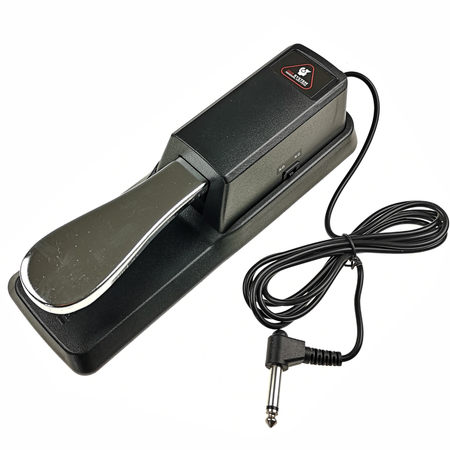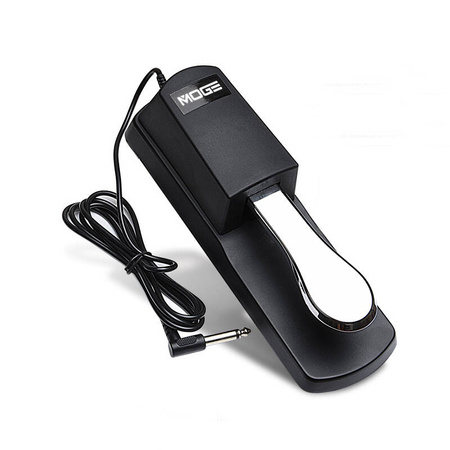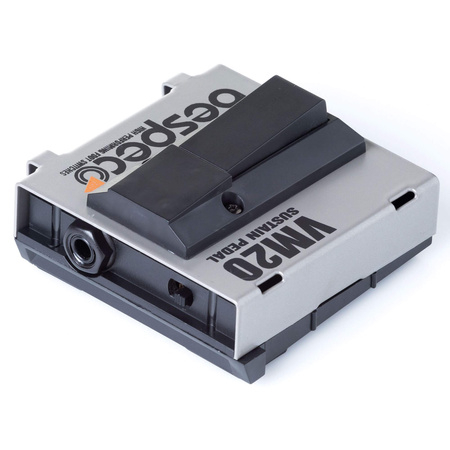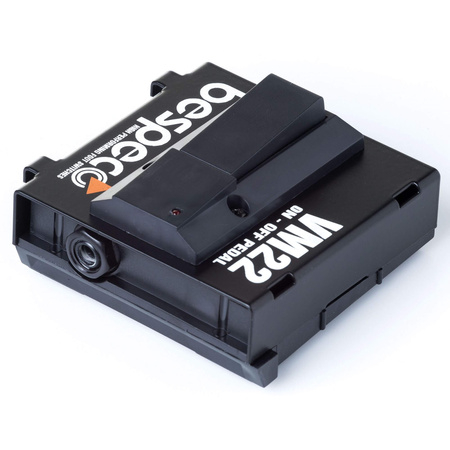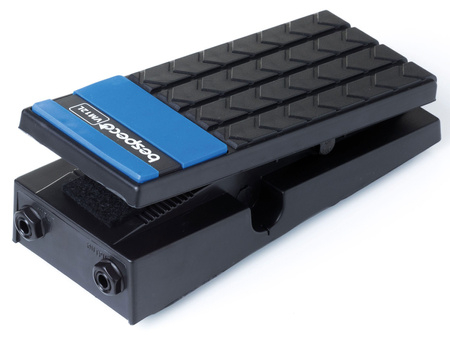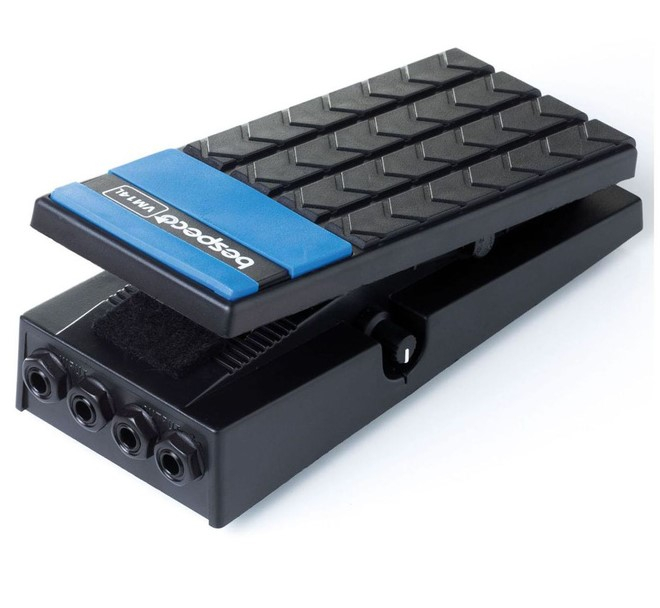
Pedals for keyboards are among the most important accessories for keyboards, digital pianos, and other keyboard instruments. They allow you to expand your playing technique and control selected functions without using your hands.
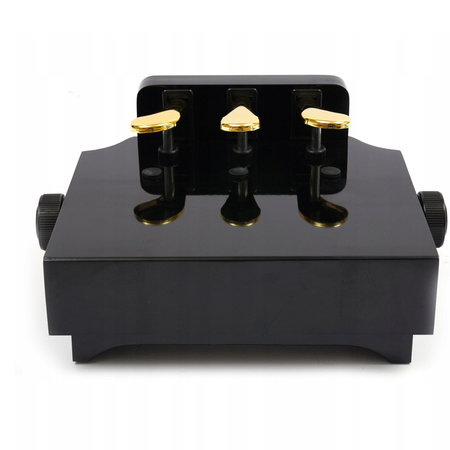
The most common type is the sustain pedal, which extends the sound of notes after the keys are released. For digital pianos and more advanced instruments, double or triple pedal units are also used, offering functions similar to those of an acoustic piano.
The sustain pedal is the most frequently used pedal when playing keyboard instruments. When pressed, notes can continue to sound even after you release the keys.
It is used for piano playing, home practice, in music schools, studios, and for concert performances. However, before purchasing, always check whether your instrument has the appropriate input and whether the specific pedal is compatible with your model.
A digital piano may support a simple sustain pedal or a more complex pedal unit. Some models allow the use of multiple pedal assemblies, functionally approaching the pedals of an acoustic piano.
The specific functions depend on the instrument. Not every digital piano supports all types of pedals or multi-pedal units.
A triple pedal unit is mainly used with digital pianos and can offer three separate control functions. Their specific behavior and names depend on the particular instrument model.
This solution is especially suitable for players who want to replicate the control of an acoustic piano as closely as possible on a digital piano.
When buying a pedal, it is not enough to only look at its connector. Compatibility depends on the specific instrument, wiring, polarity, and supported functions.
Some universal sustain pedals have a polarity switch, while for others, you need to use a pedal designed for a specific brand or model. If you are unsure, compare the instrument manufacturer's recommendations with the pedal's specifications.
The method of electrical switching can vary between sustain pedals. If the pedal and instrument use different polarity, the pedal may work in reverse – sustain may be active when released and off when pressed.
Some models therefore offer a polarity switch, which allows for better compatibility with various keyboard instruments.
Pedals shaped like a classic piano pedal provide a more traditional feel underfoot while playing. They often have a wider tread and a more stable design, suitable even for regular practice.
Smaller and simpler pedals are practical for players who frequently transport their keyboard to rehearsals or concerts. They take up less space among your accessories and are easy to carry along with cables and other equipment.
It is important during play that the pedal does not slide unnecessarily on the floor. Some models therefore use rubber feet or other anti-slip features.
On smooth floors, always check the pedal's stability before playing so you don't have to search for it with your foot during a performance.
The pedal is usually connected to the appropriate input on the keyboard instrument, which may be labeled as Sustain, Damper, or Pedal. The exact labeling and connection method vary by manufacturer.
For some instruments, it is advisable to connect the pedal before turning on the device, as the instrument may detect its state or polarity at startup. Always follow the instructions for your specific model.
For a beginner, a basic sustain pedal is often the first accessory for keyboards. It allows you to learn proper use of note sustain and gradually expand your playing technique.
If you are learning with a teacher or attending a music school, also follow their recommendations on when and how to use the pedal while playing.
A sustain pedal allows you to extend the sound of notes after releasing the keys, if your instrument supports this function.
No. Compatibility is affected by the connector, polarity, and the way the specific instrument processes the pedal signal.
Polarity determines the method of electrical switching in the pedal. With the wrong combination, the pedal may work in the opposite way than expected.
It allows you to change the pedal's switching method and increase its compatibility with various keyboard instruments.
Yes, if the digital piano has a suitable input and the specific pedal is compatible with it.
A sustain pedal controls a single function. A triple pedal unit offers several separate pedals and is intended mainly for compatible digital pianos.
It depends on the specific model. Some instruments detect the pedal's state at startup, so it is best to follow the manufacturer's instructions.
Yes. It is a common accessory even for beginners, especially when learning piano technique.