Keyboard stands are essential accessories for keyboards, digital pianos, and other keyboard instruments. The right stand helps set your instrument at the proper height, improves playing comfort, and ensures stable placement of your instrument.
When choosing a stand, it’s not enough to just consider its appearance. The most important factors are load capacity, width, stability, height adjustability, and compatibility with your specific keyboard instrument.
Before purchasing, check the dimensions and weight of your instrument. The stand should have sufficient load capacity and allow you to place the keyboard securely, without the instrument overhanging or being unstable.
If you plan to move the stand frequently, a foldable design is practical. If the instrument will stay in one place, a more robust model with greater stability may be more suitable.
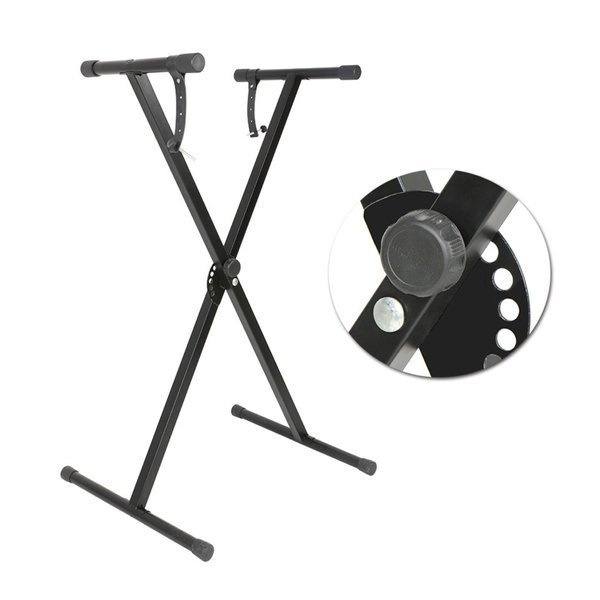
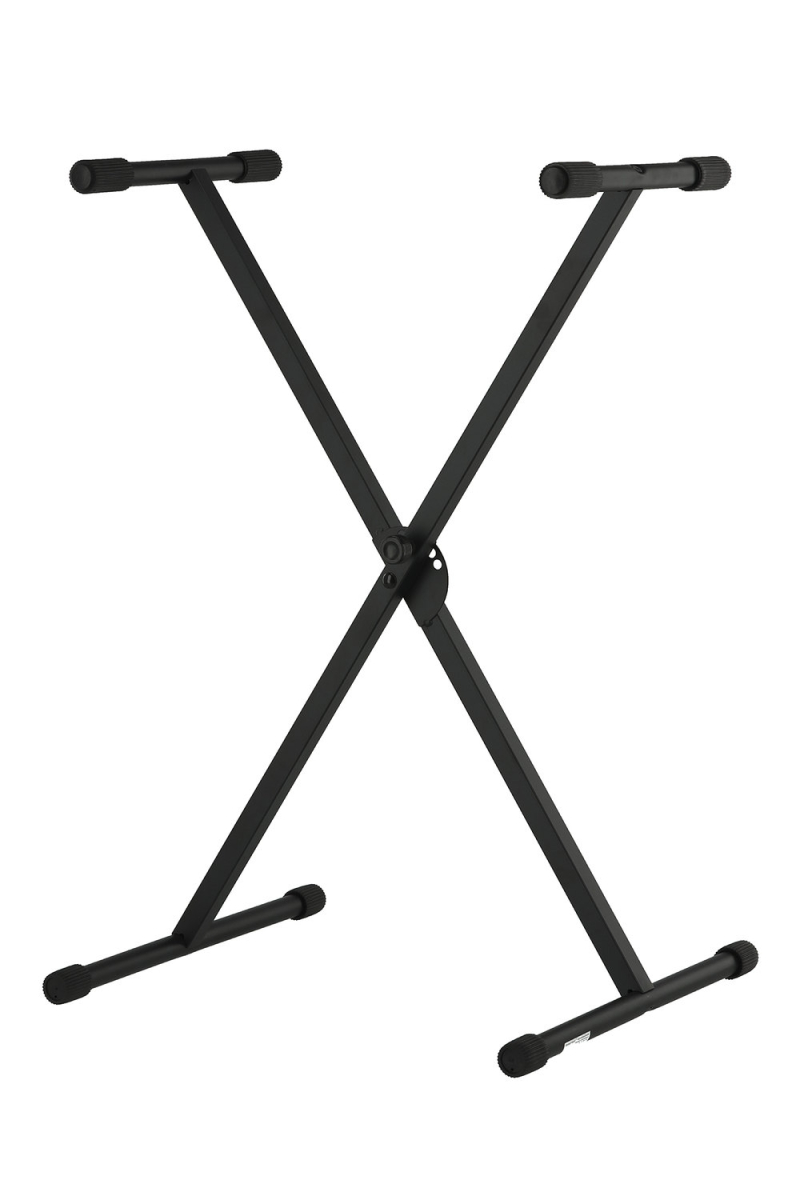
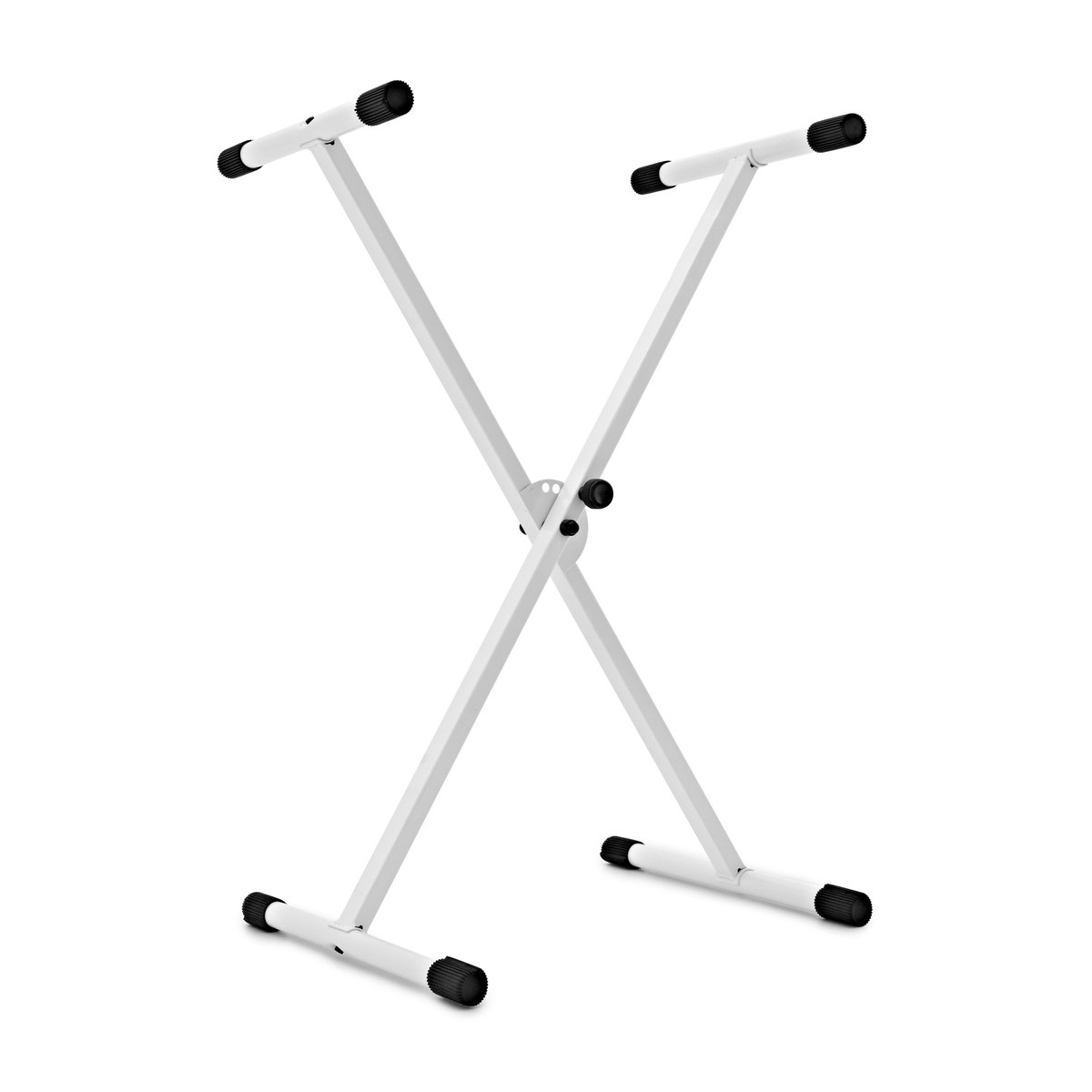
X stands are among the most popular solutions for keyboards. Their advantages include simple construction, portability, and adjustable height.
They are especially suitable for home practice, music schools, rehearsal rooms, or occasional transport. When choosing, it’s important to consider the load capacity and the width of the support arms.
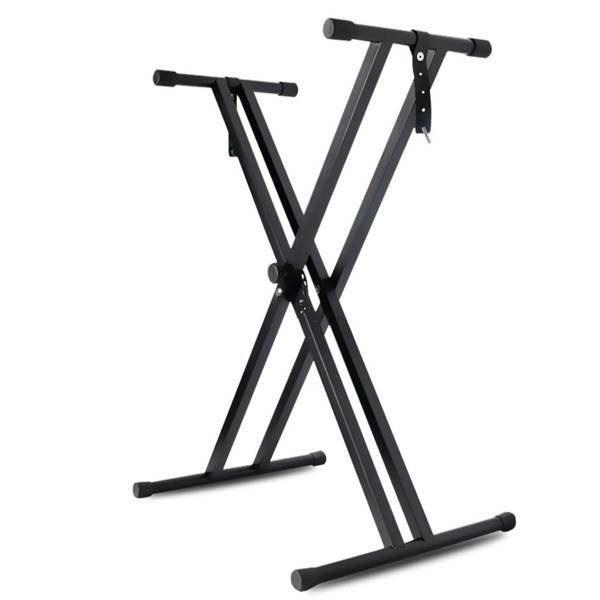
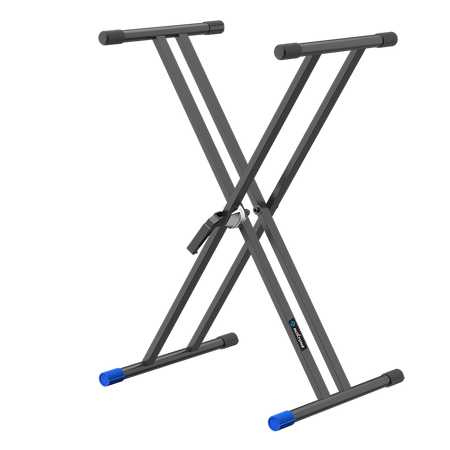
Double X stands have reinforced construction and are generally more stable than single X stands. They may be suitable for heavier keyboards or more frequent use.
If you have a larger or heavier keyboard instrument, it’s worth paying attention to the sturdiness of the construction and the maximum permitted load capacity.
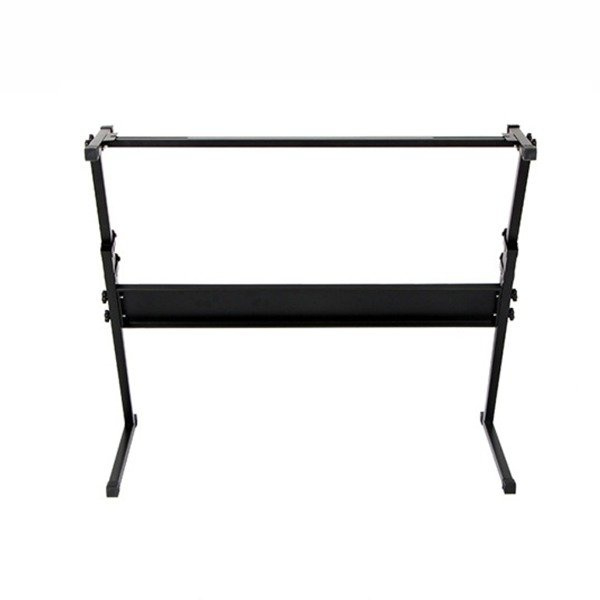
Z stands offer a different design with more legroom and often greater stability. They are practical for players who want a solid solution for regular playing at home, in the studio, or on stage.
For digital pianos, you can use a universal stand or a stand designed for a specific model. Original furniture-style stands are usually tailored to the dimensions of a particular digital piano and provide a sturdier home solution.
A universal stand is more practical if you want to move the instrument frequently or use it in different locations.
Before choosing, always check the weight of your keyboard or digital piano and the maximum load capacity of the stand. The stand should not be subjected to a load exceeding the manufacturer’s specified value for extended periods.
For heavier instruments, it’s wise to choose a stand with a sufficient load reserve and stable construction.
The ability to adjust the height is important for proper playing posture. The keyboard should be positioned so you don’t have to unnecessarily raise your shoulders or bend your wrists while playing.
If several people play the keyboard, such as at home or in a music school, an adjustable stand is more practical than a fixed-height model.
For children, it’s important that the stand can be set to an appropriate height. A stand that is too high can lead to incorrect hand and shoulder positioning.
Along with the stand, it’s also advisable to choose a height-adjustable bench or chair so the playing position can be adapted to the child’s height.
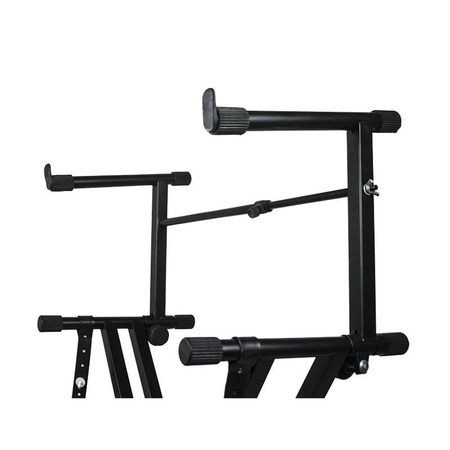
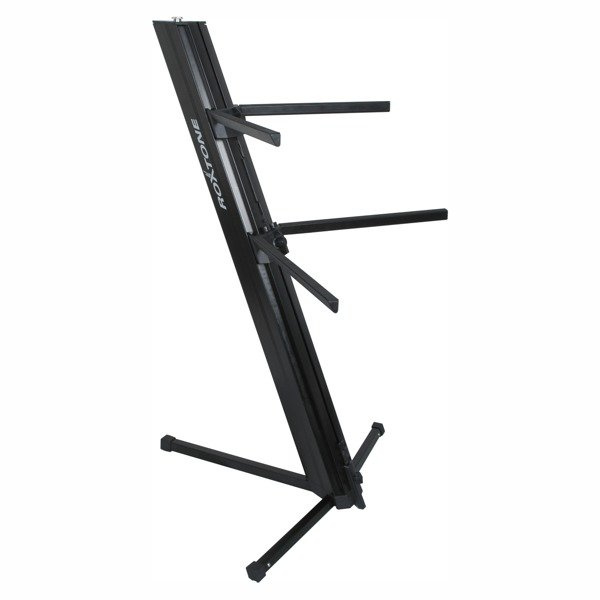
For concert use, stability, quick folding, and easy transport are especially important. Players who use multiple keyboard instruments can also benefit from multi-tier systems or stands that allow the addition of another holder.
A quality stand should stand firmly on the floor and have anti-slip features on the legs and at the points of contact with the instrument. These help prevent unwanted movement of the stand or the keyboard itself.
If you move the stand frequently, a folding design makes transport and storage much easier. Always check before use that the mechanism is properly secured and the stand is firmly set up.
For beginners, an adjustable X stand with sufficient load capacity for the specific keyboard is usually practical. It is simple, compact, and easy to adjust.
No. The dimensions, weight of the instrument, stand load capacity, and width of the support arms are decisive factors.
A double X stand generally has a sturdier construction and may be more suitable for heavier instruments or more frequent use.
It can be, if its load capacity and dimensions match the specific digital piano. For heavier models, a more robust stand may be preferable.
Set the height so you sit or stand naturally while playing, with relaxed shoulders and wrists that are not unnaturally bent.
It is the maximum weight of the instrument that the stand can safely support according to the manufacturer. Do not exceed this value.
Not necessarily. Stability depends on the design, build quality, proper setup, and the weight of the instrument.
Only if the stand is designed for such use or allows the installation of an additional tier. A standard single-tier stand is not intended for this purpose.
It depends on the specific model. Universal stands often serve as a support under the instrument, while some stands for digital pianos are attached directly to the instrument.