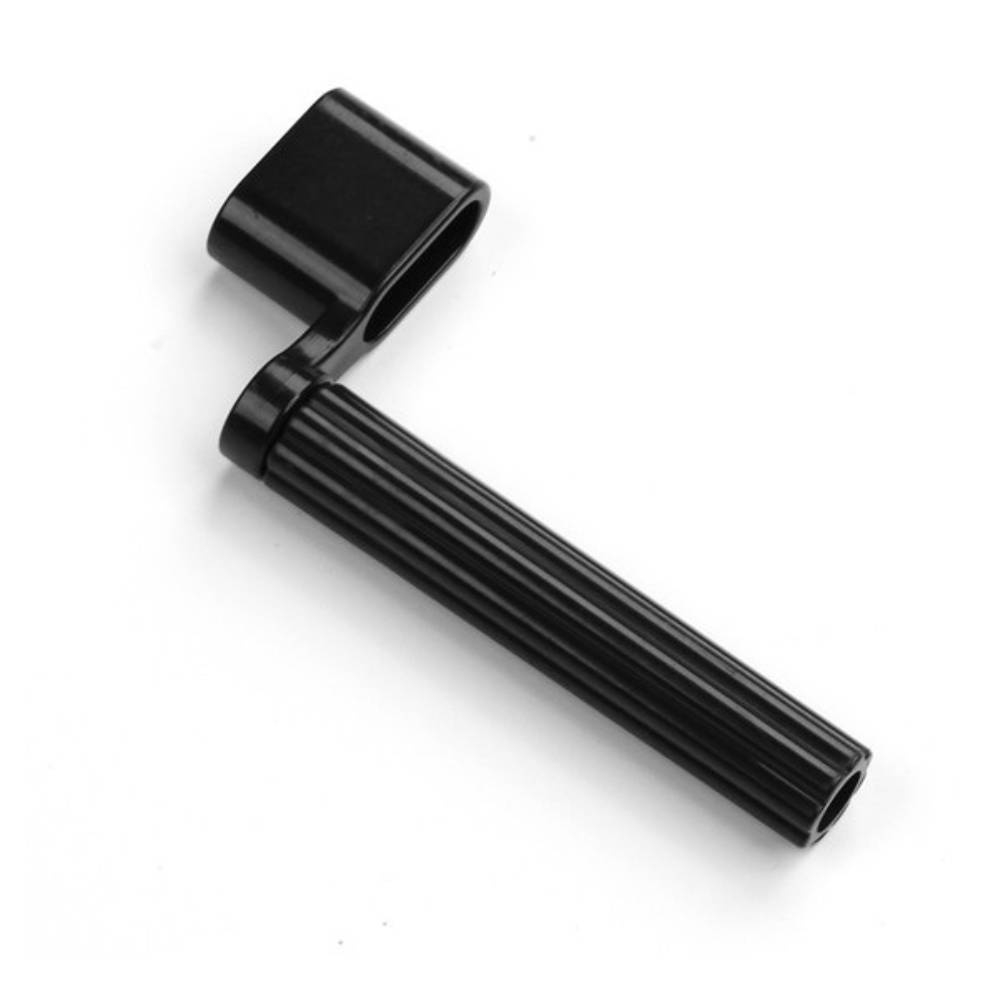
String winders are practical tools for every guitarist. They allow for faster winding and unwinding of strings during replacement, saving time and making instrument maintenance easier. They are suitable for beginners, experienced musicians, and guitar technicians who change strings regularly.
Whether you play an acoustic, classical, or electric guitar, a manual string winder helps you turn the tuning pegs comfortably without tedious hand winding. In our selection, you’ll find practical solutions for home maintenance as well as frequent service use.
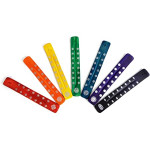
A string winder, also known by its English name string winder, is a simple tool designed for turning tuning pegs during string changes. Its main advantage is significantly speeding up the winding and unwinding process, especially when replacing all strings at once.
Instead of repeatedly turning the tuning peg with your fingers, simply place the winder on the tuning knob and, by turning the handle, you can quickly loosen or wind the string.
Manual string winders are affordable, lightweight, and easy to use. They usually consist of a handle and a rotating head that fits onto the guitar’s tuning mechanism.
Thanks to their compact size, they easily fit into a guitar case or accessory compartment. They don’t require batteries or electric power, so you can use them anytime and anywhere.
Some models offer additional useful features besides winding, such as a bridge pin puller for acoustic guitars or integrated cutters for trimming excess string ends.
Such multifunctional tools are especially practical when completely changing guitar strings, as they allow you to perform several tasks with a single tool.
Manual winders can be used with various types of stringed instruments. It’s important to choose a model whose head matches the size and shape of the tuning pegs.
Before removing the old string, first gradually loosen its tension. Place the winder head on the tuning peg and turn in the direction that loosens the string. After removing the old string, attach the new one, secure it properly, and use the winder to gradually wind it onto the peg.
While winding, check the string’s alignment and the number of wraps on the peg. Once higher tension is reached, finish tuning by carefully turning the peg by hand and using a tuner.
Even a simple winder can significantly improve guitar maintenance. Its main advantages are faster string changes, easy handling, and less effort when turning tuning pegs.
You’ll especially appreciate a winder when changing a full set of strings or maintaining multiple instruments. Thanks to its low weight and small size, you can always have it on hand.
A string winder speeds up the removal of old strings and the winding of new ones. It makes string changes easier and reduces the need for repeated manual turning of tuning pegs.
Yes. Manual winders are very easy to use and are a helpful tool even for guitarists changing strings for the first time.
In most cases, yes, as long as the shape and size of the winder’s head match the tuning pegs of both instruments.
Not every model. Bass guitars often use larger tuning mechanisms, so it’s important to check the compatibility of the specific winder.
No. A standard manual winder is for turning tuning pegs, not for measuring pitch. For accurate tuning, you need a tuner.
With us, you’ll find practical string winders that make regular guitar maintenance easier and help you change strings faster and more conveniently.