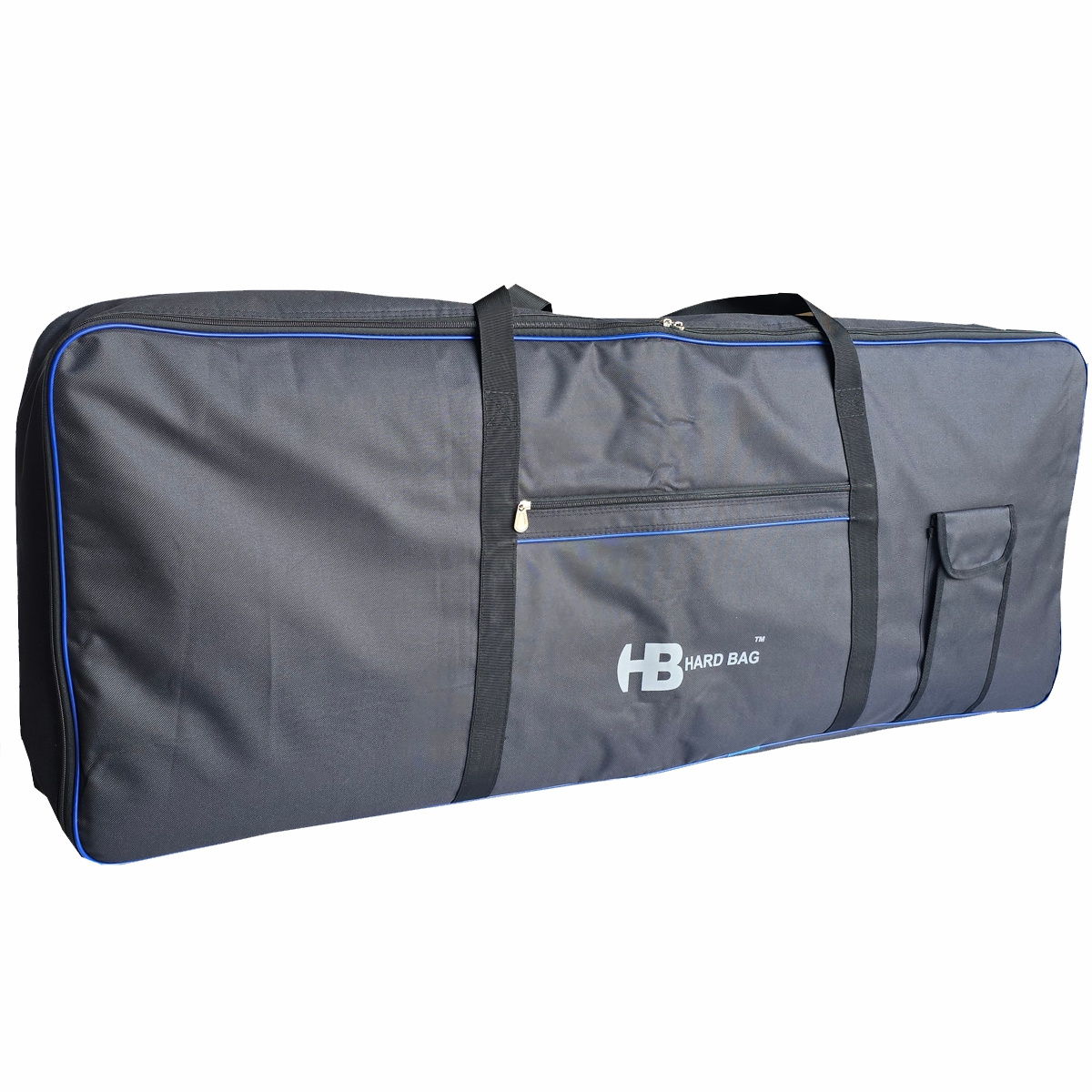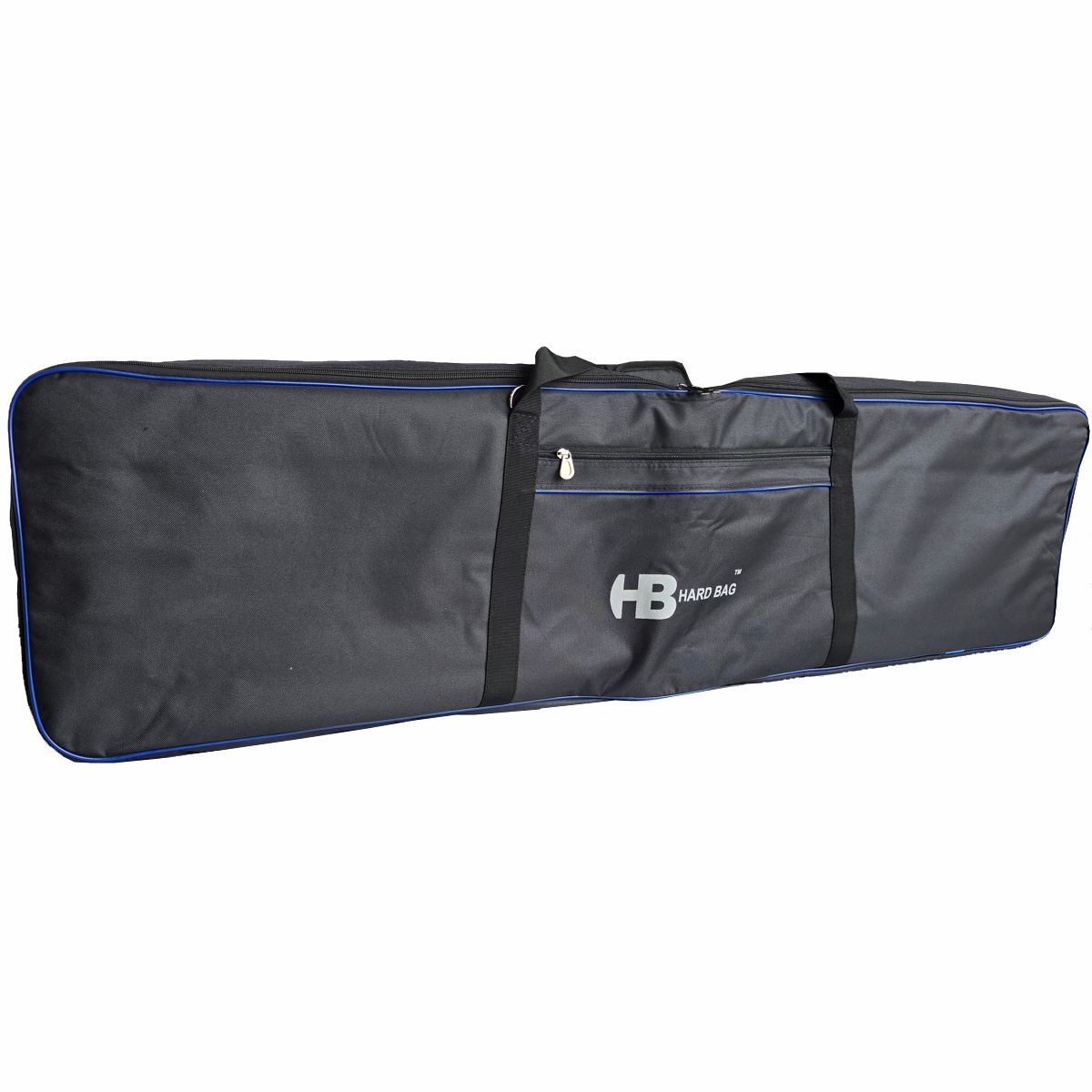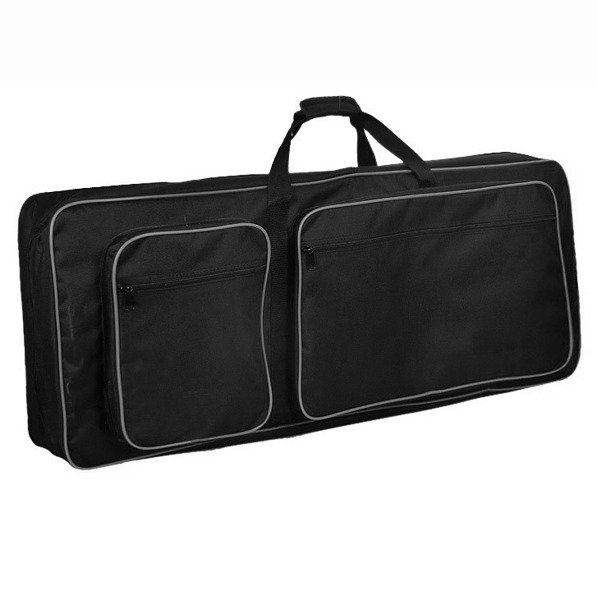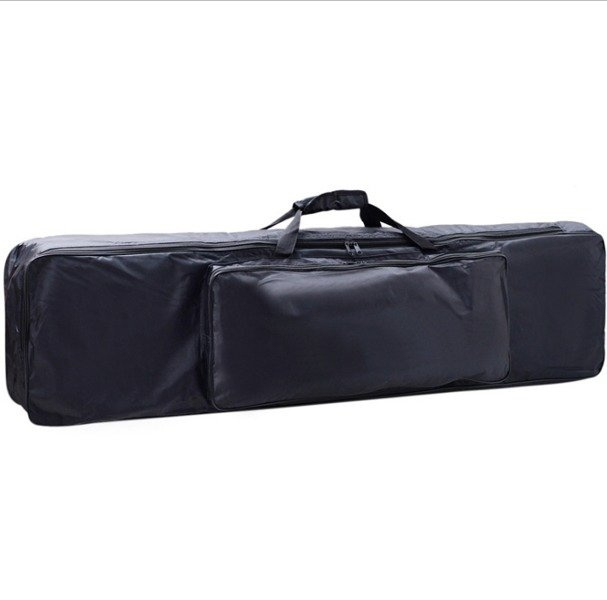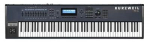
Keyboard covers and cases help protect keyboards, digital pianos, and other keyboard instruments during transport, storage, and everyday use. When transporting, a properly chosen case is essential, while for instruments that stay at home or in the studio, a protective dust cover can be a practical choice.
When choosing, pay particular attention to the dimensions of your keyboard instrument. The number of keys can help as a basic guide, but two keyboards with the same number of keys may differ in length, width, and height.
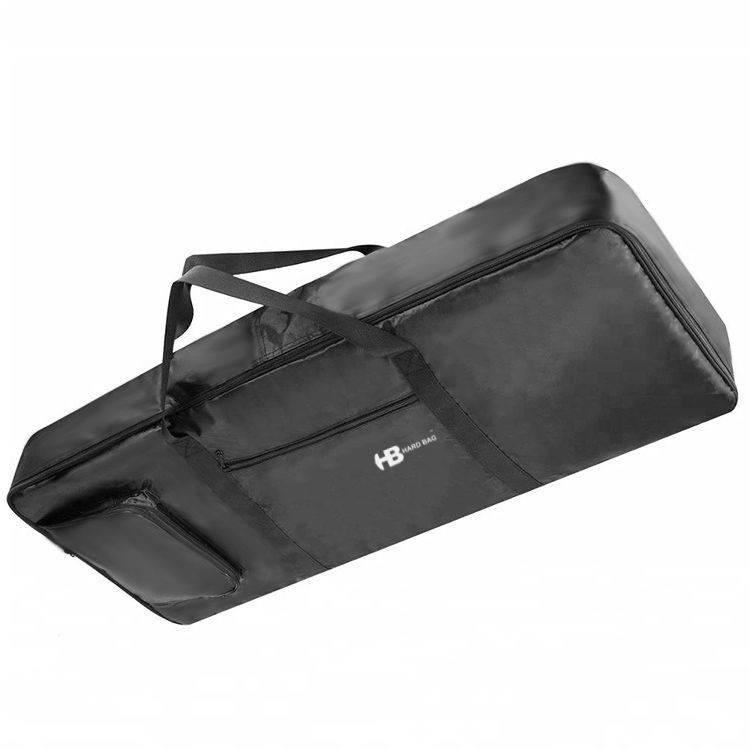
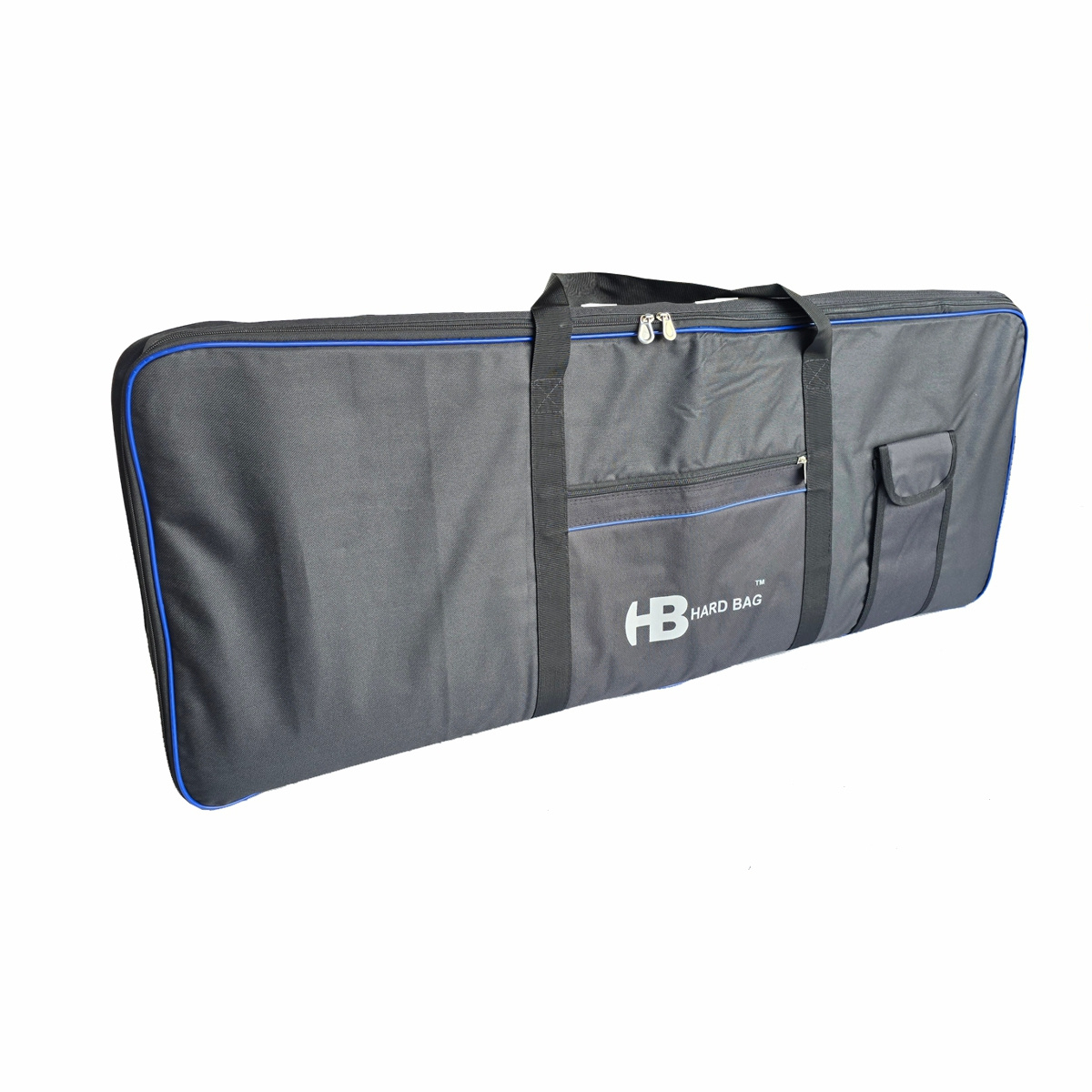
A keyboard case is primarily designed for carrying your instrument between home, music school, rehearsal room, studio, or stage. Depending on the specific model, it may be equipped with handles, shoulder straps, accessory pockets, or internal padding.
Before purchasing, always compare the internal dimensions of the case with your instrument’s measurements. The keyboard should have enough space in the case for easy insertion, but it should not be unnecessarily loose.
For regular transport, a padded keyboard case is practical. Padding helps separate the instrument from the outer material of the case and increases comfort during everyday transport.
The thickness and type of padding vary between models, so always check the technical specifications and recommended use for each product.
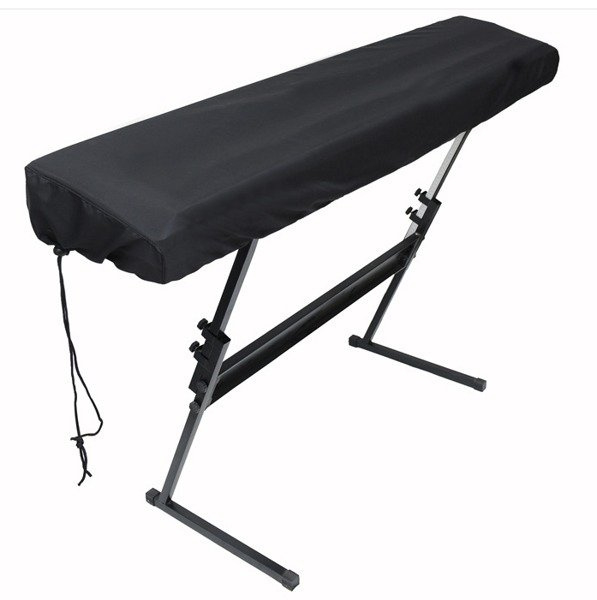
A keyboard cover is especially suitable when the instrument remains on a stand or in one place for an extended period. It helps reduce dust settling on the keyboard, controls, and surface of the instrument.
It is practical for home, music school, rehearsal room, and studio use. However, a cover is not a substitute for a transport case and is not intended for carrying the instrument.
For portable digital pianos, a suitably sized transport case can be used. Since digital pianos are usually larger and heavier than standard keyboards, pay attention not only to the case’s dimensions but also to its construction, handles, and overall carrying method.
For furniture-style digital pianos, a protective cover is more commonly used, as these instruments are not intended for frequent transport.
Before choosing a case, measure the length, width, and height of your keyboard or digital piano. Measure the largest dimension of the instrument, including any protruding parts.
Then compare these measurements with the internal dimensions of the specific case. Do not rely solely on the 61, 76, or 88-key designation.
The number of keys is a useful reference, but it is not sufficient on its own. Some instruments have wider side panels, larger speakers, or different construction depths.
Therefore, the specific dimensions of the instrument and the internal space of the case are always decisive.
For frequent transport, a sturdy handle or shoulder strap can be practical. Some cases also offer external pockets for cables, pedals, sheet music, or other small accessories.
For heavier instruments, pay attention to the carrying method and case construction to ensure transport is as comfortable as possible.
If your keyboard or digital piano stays on a stand most of the time, a protective dust cover is a simple accessory for everyday use. Covering the instrument between practice sessions helps keep its surface and keyboard cleaner.
Measure the length, width, and height of your instrument and compare these values with the internal dimensions of the case.
No. The number of keys is only a reference. Instruments with the same number of keys can have different external dimensions.
A case is primarily intended for transporting and storing the instrument. A cover is mainly used to protect the instrument from dust when it remains on a stand.
No. For transport, use a suitable case designed for carrying keyboard instruments.
Yes, a padded case can be a practical choice for regular transport. However, always check the specific level of padding for the given model.
If the case has a suitable separate pocket, you can use it for smaller accessories. Before storing, make sure that hard objects do not press directly against the instrument.
The most important factors are the exact dimensions and weight of the instrument. For larger digital pianos, also pay attention to the case’s construction and carrying method.
Yes. It is practical anywhere a keyboard instrument remains in one place for longer and you want to reduce dust accumulation.