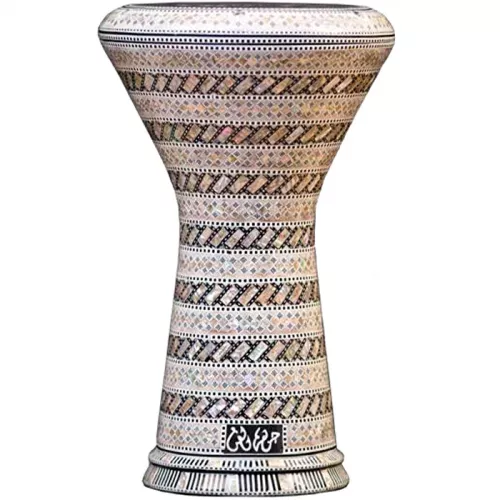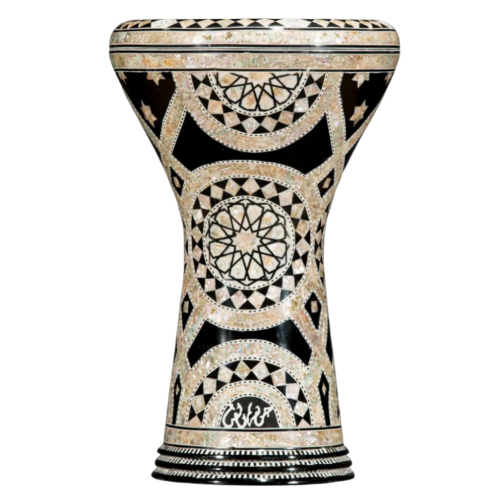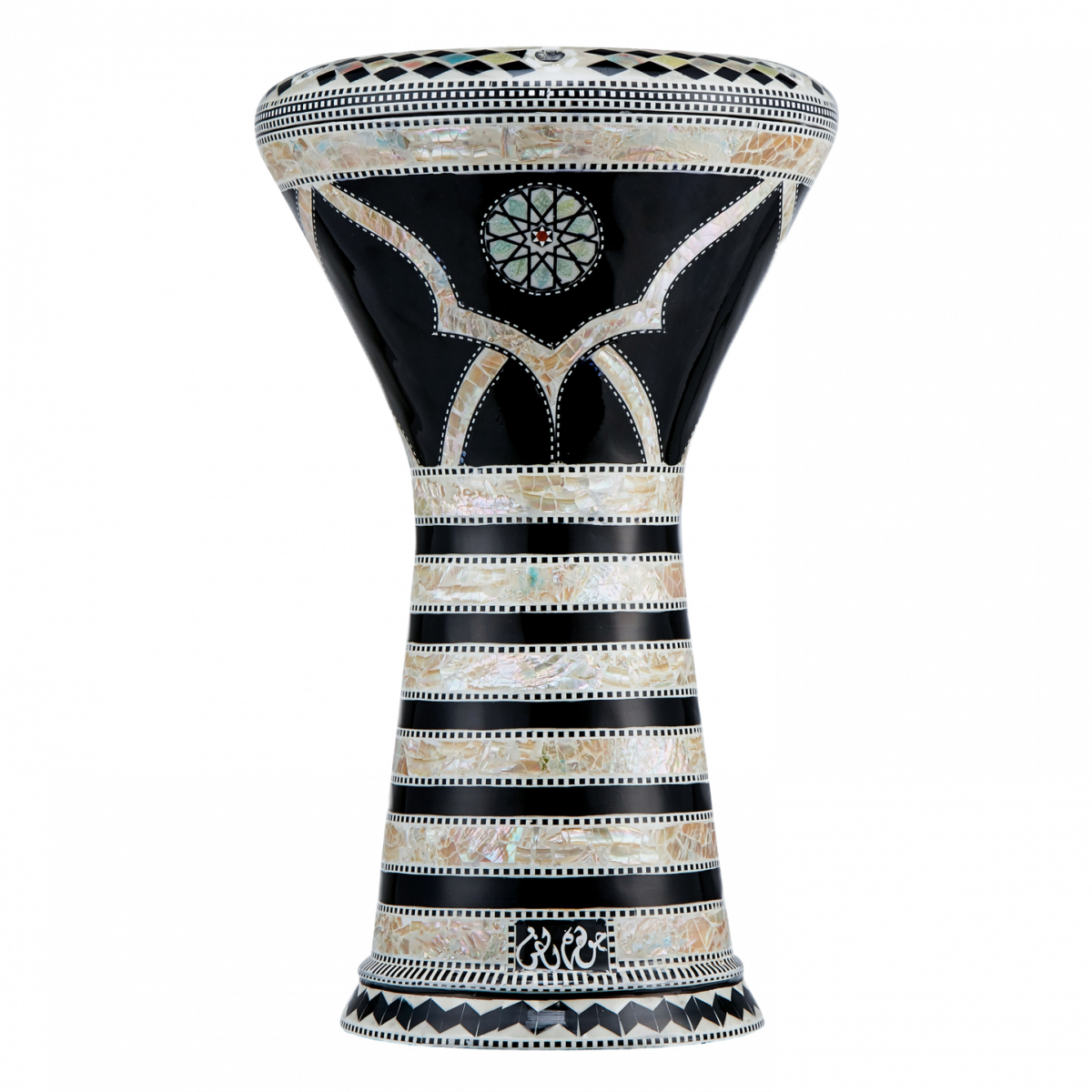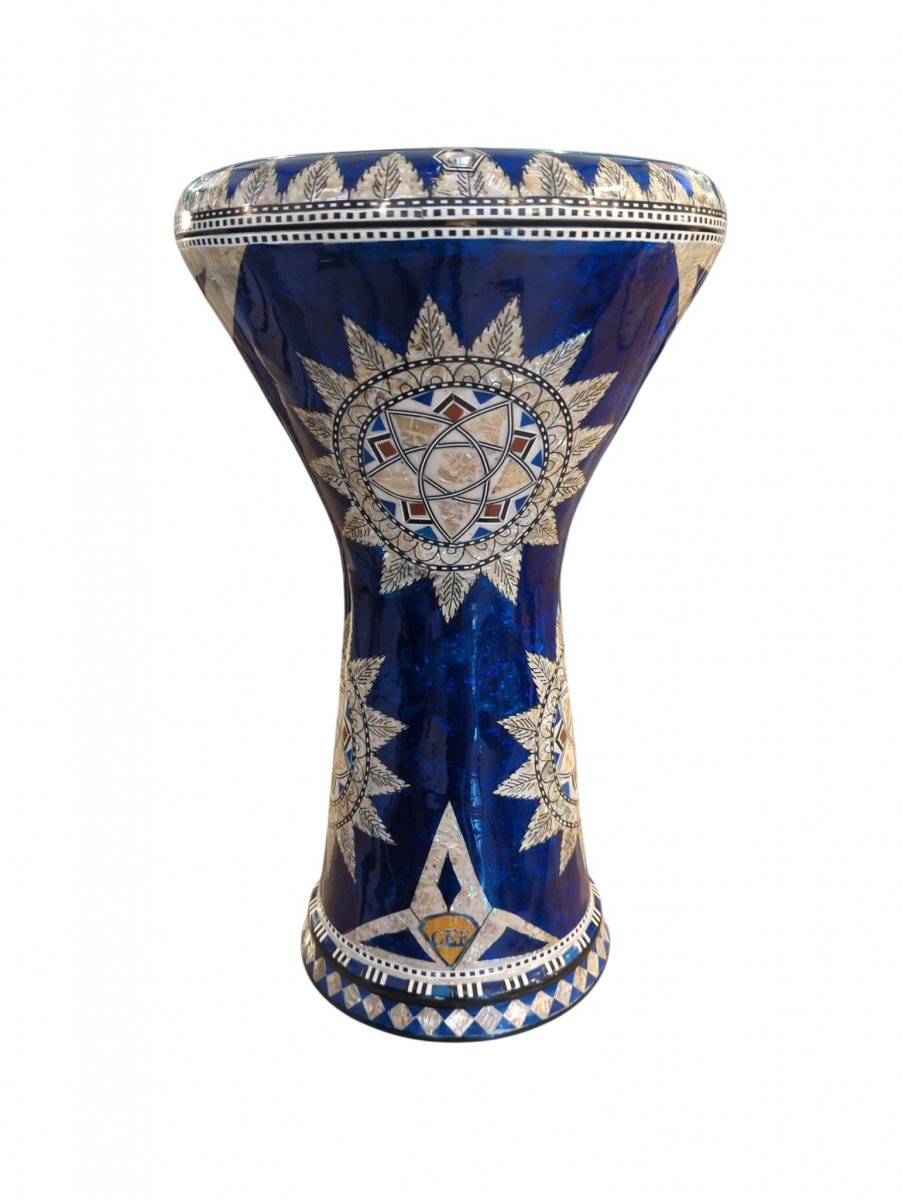
Discover the world of Arabic and Oriental drums with their distinctive sounds and rich rhythmic tradition of the Middle East, North Africa, and other areas of the Orient. In this category, you will find traditional drums suitable for solo play, oriental music, world music, dance accompaniment, and group drumming.
Among the most famous are darbuka, doumbek, daf, bendir, riq, and tombak. Individual instruments vary in shape, size, material, tuning method, playing technique, and sound character.
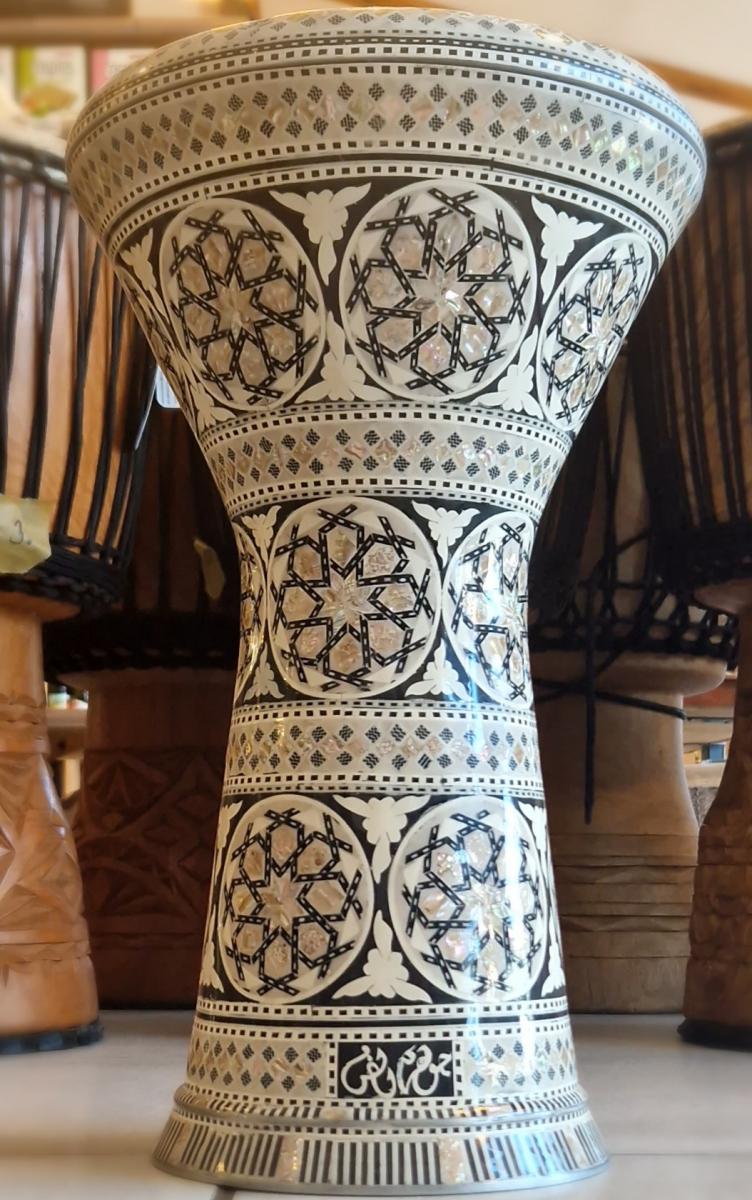
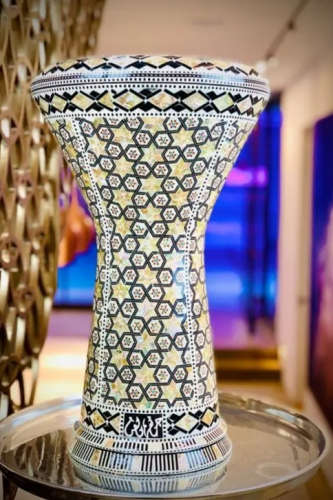
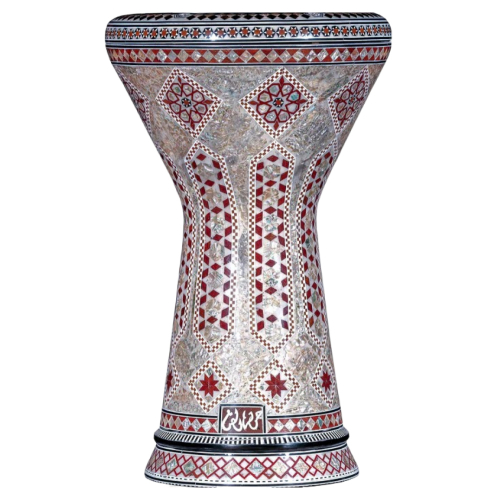
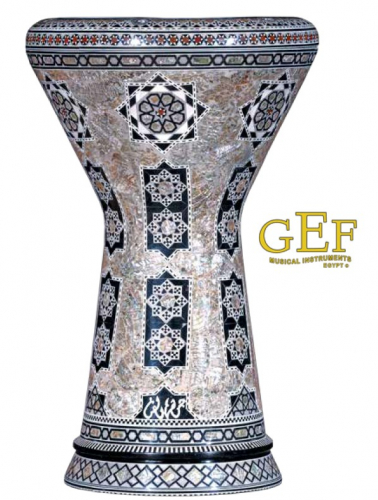
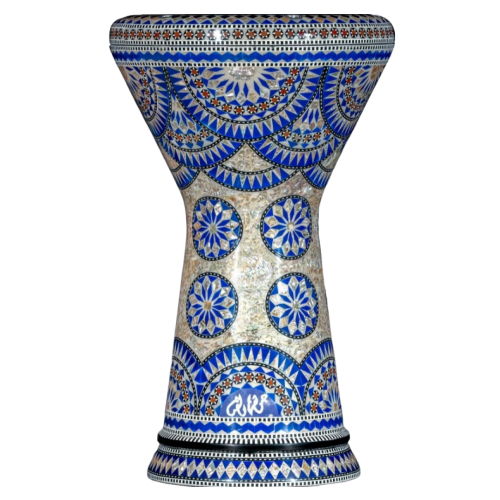
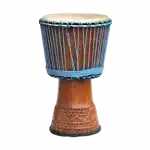
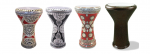
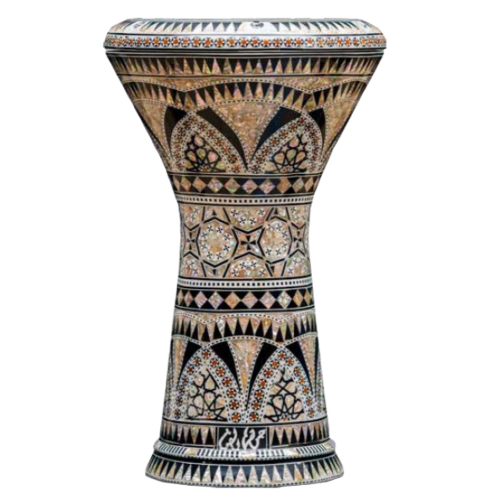
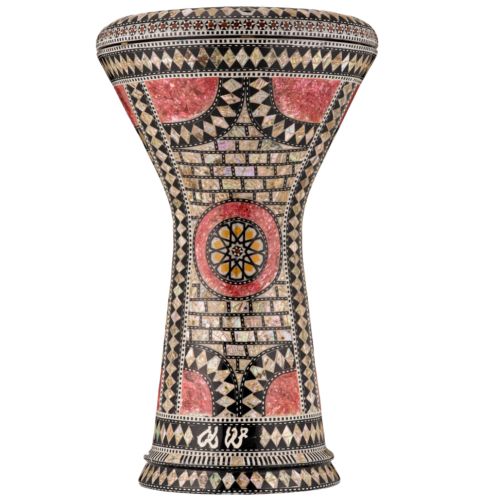
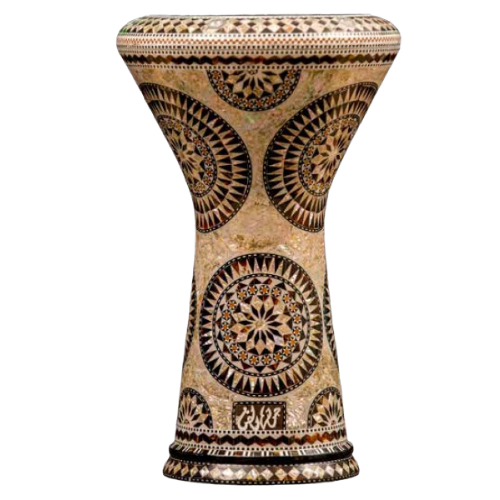
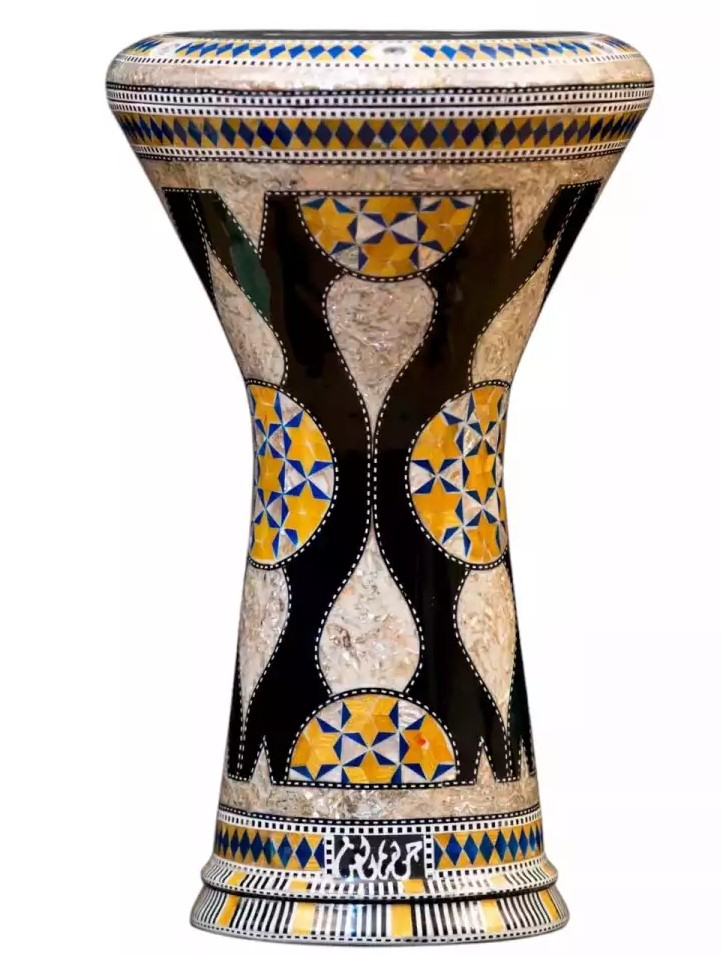
One of the most famous Oriental drums in the shape of a goblet. The darbuka offers a pronounced bass tone and clear high tones and is popular in Oriental, Balkan, Turkish, and world music.
The name doumbek is used mainly for darbuka-type drums and their related instruments. It is popular among players of Oriental music and hand percussion.
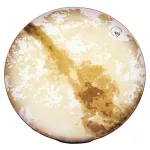
A large frame drum with a long tradition in the Middle East. The Daf is used in traditional music, rhythmic accompaniment, and spiritual and ceremonial music.
A traditional frame drum of North Africa, widespread especially in Morocco and other areas of the Maghreb. It is characterized by a deeper, resonant sound suitable for rhythmic accompaniment.
A smaller frame drum with a pair of metal jingles. The Riq is among the traditional percussions of Arabic music and allows combining rhythmic play on the skin with the sound of metal jingles.
Persian goblet drum, also known as tonbak. It is a significant instrument of Persian classical music and is characterized by rich possibilities of finger technique.
The world of Oriental and Middle Eastern percussion is very diverse. In addition to the most famous instruments, such as darbuka, doumbek, daf, bendir, riq, and tombak, there are also other traditional drums and rhythmic instruments used in various regions and musical traditions.
Other well-known instruments include, for example, the tar, tar frame drum, duff, naqara, naqqara, doholla, doholl, davul, and zarb. The names and construction of individual instruments may vary according to the country and musical tradition.
| Instrument | Type | Characteristic |
|---|---|---|
| Darbuka | Goblet drum | Pronounced bass and high tones |
| Doumbek | Goblet drum | Rhythmic play with fingers and palm |
| Daf | Frame drum | Deeper and resonant sound |
| Bendir | Frame drum | Traditional drum of North Africa |
| Riq | Frame drum | Skin and metal jingles |
| Tombak | Persian goblet drum | Rich finger technique |
Oriental drums are suitable for traditional Arabic and Middle Eastern music, world music, oriental dance, improvisation, accompaniment play, and modern music. Many of them are also excellent instruments for learning rhythm and developing finger technique.
When choosing, it depends primarily on the sound and playing style you are looking for. The darbuka is suitable for players who want a pronounced goblet drum with a wide range of tones. Frame drums like daf or bendir offer a different sound character and way of playing. Riq also combines the sound of the skin with metal jingles.
When choosing a specific instrument, it is important to consider its size, material, type of skin, and tuning method.
The names are used differently in different areas and among manufacturers. Doumbek is a term used for goblet drums related to darbuka, while the specific shape, material, and tuning method may vary.
Daf is a large frame drum with a long tradition in the Middle East. It is used in various musical and spiritual traditions.