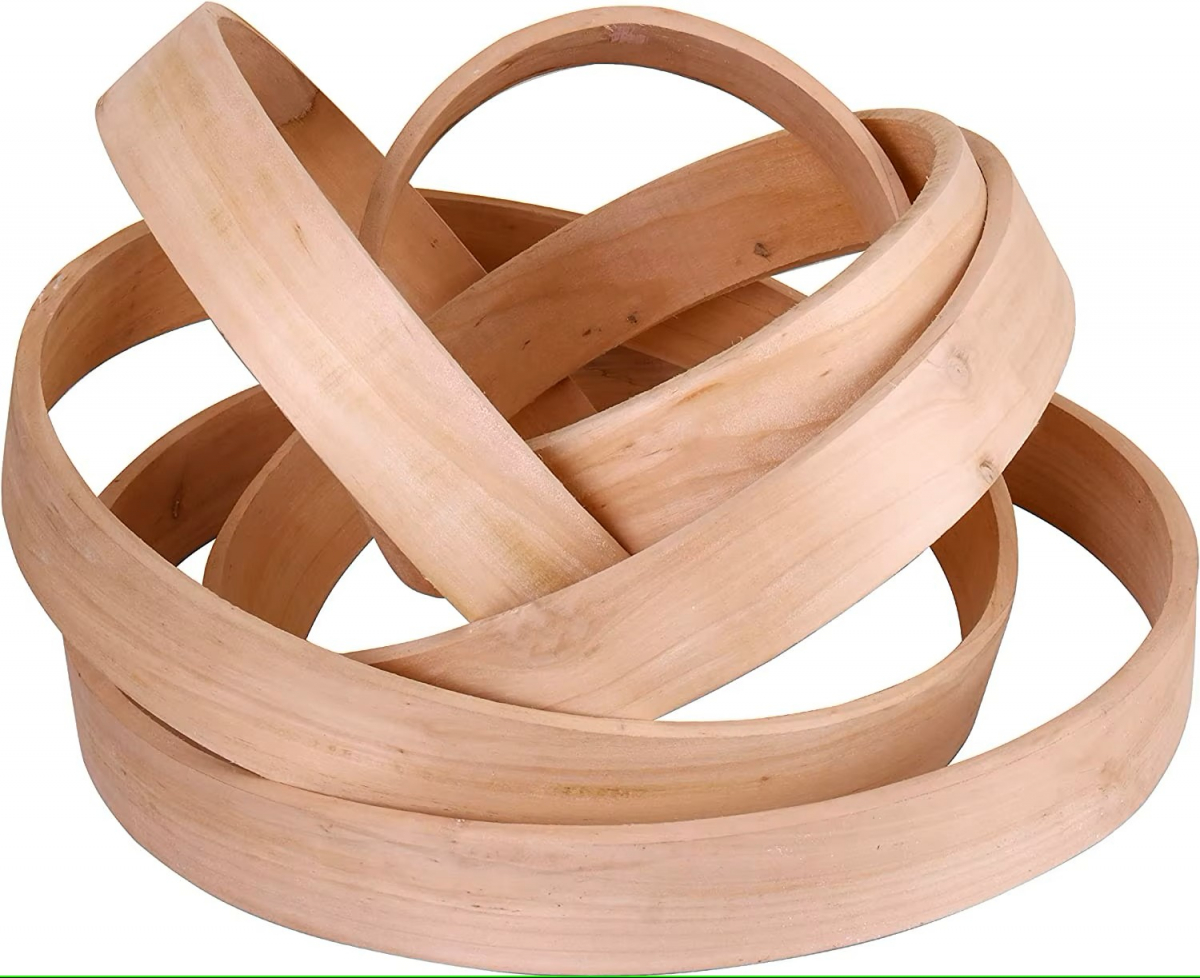
The frame is the heart of every shamanic drum. It holds the stretched skin, shapes the sound, and carries the energy you put into the drum.
Our frames are handcrafted with great care, ensuring precise craftsmanship, a natural finish, and excellent acoustic properties. They are ready to use right away – whether you’re building your own drum, creating a meaningful gift, or preparing a tool for rituals, therapy, or personal transformation.
A frame drum has a membrane stretched over a supporting frame. Building one therefore involves choosing a wooden hoop, a suitable skin and a way to secure it.
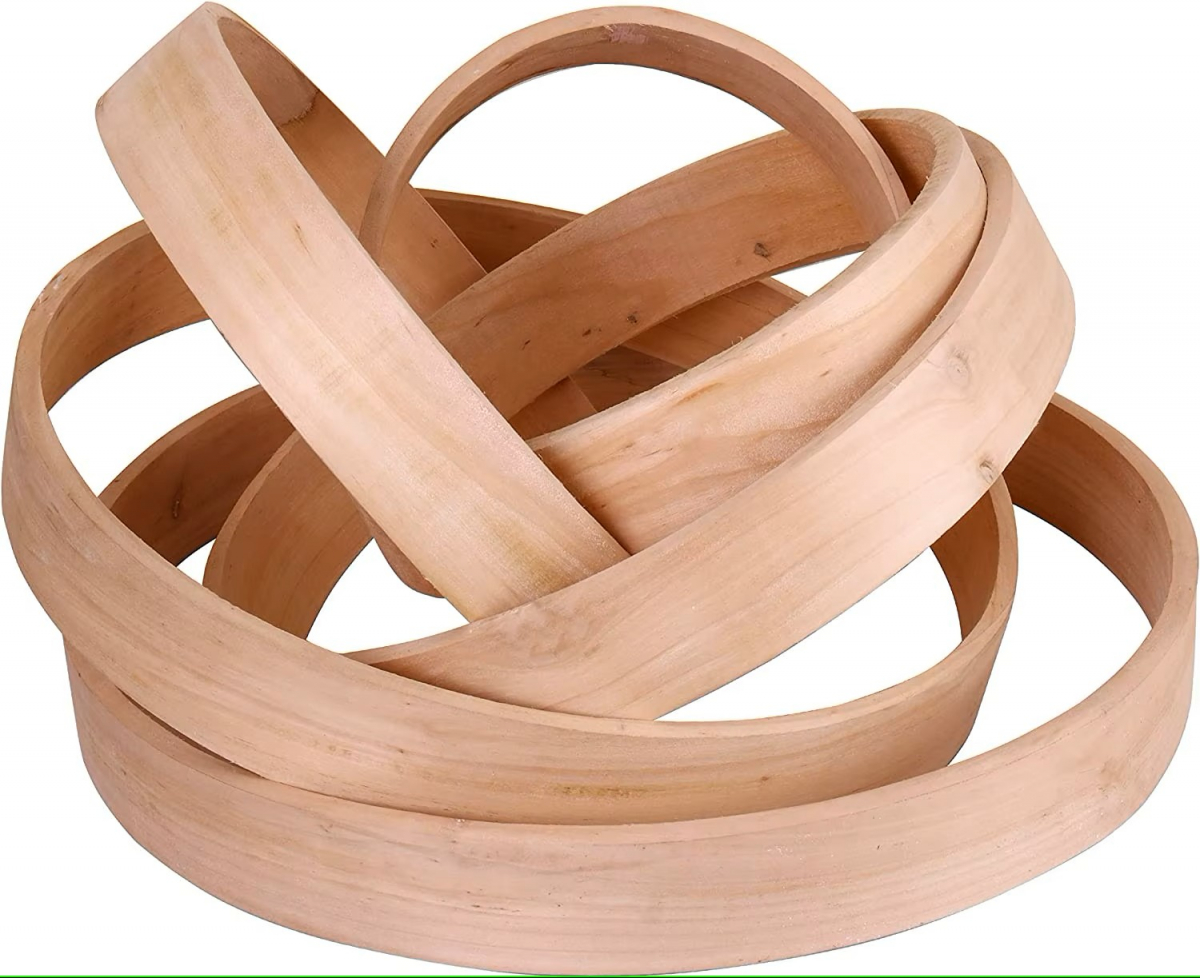
Both wooden frames are handcrafted from solid wood and smoothly finished, ready for fitting a drum skin. They share the same stated dimensions and differ in wood species. The wood alone does not determine a specific tuning for the completed drum.
| Frame | Wood | Diameter | Depth | Thickness |
|---|---|---|---|---|
| 46 cm solid ash drum frame | Solid ash | 46 cm | 7.77 cm | 1 cm |
| 46 cm solid willow drum frame | Solid willow | 46 cm | 7.77 cm | 1 cm |
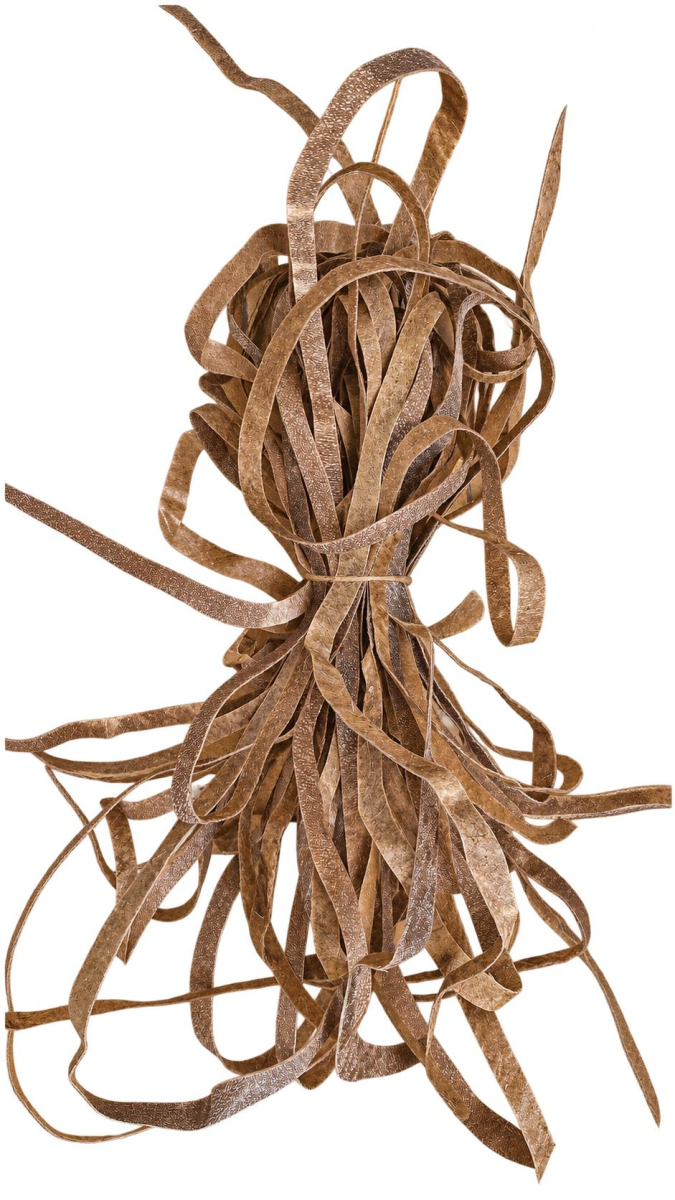
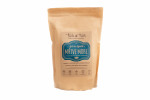
Goatskin lacing strips from Mali
The pack is calculated to lace a standard shamanic drum up to 50 cm in diameter. It contains approximately 3–5 separate strips with a combined length of 21 m, rather than one continuous strip. Width is approximately 7–10 mm and thickness 0.6–1.5 mm. Hand-cut natural hide varies in width and colour.
Allow enough skin to extend beyond the playing surface, around the frame and into your chosen fastening system. Include the 7.77 cm frame depth when planning the overlap. The 46 cm frame diameter is not, by itself, a suitable cutting size for the skin.
No. It is the wooden base; a skin and a completed fastening system are needed before it can be played.
Yes. Both are listed as 46 cm in diameter, 7.77 cm deep and 1 cm thick.
No fixed tuning is stated. The finished sound also depends on the membrane and its tension.
No. The pack contains approximately 3–5 separate pieces totalling 21 m.
A standard shamanic drum with a diameter of up to 50 cm.
The product guidance recommends soaking them in water for 2–3 hours before weaving. Damp hide becomes more pliable and tightens as it dries.