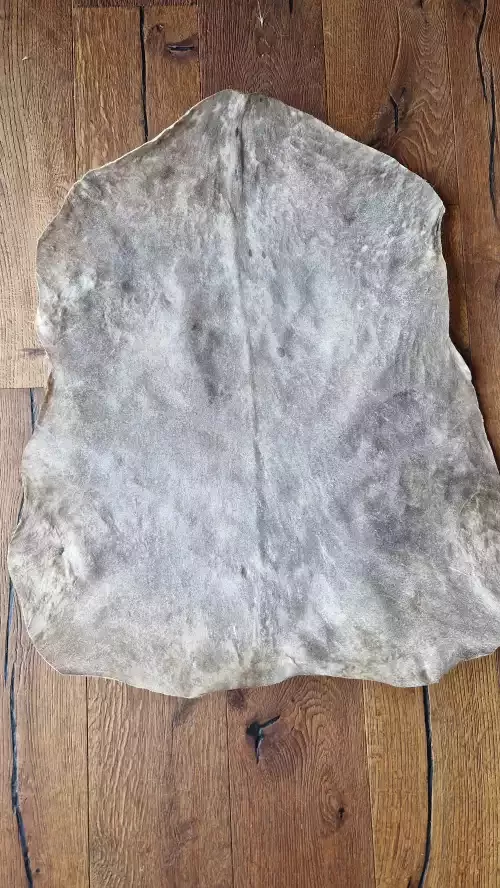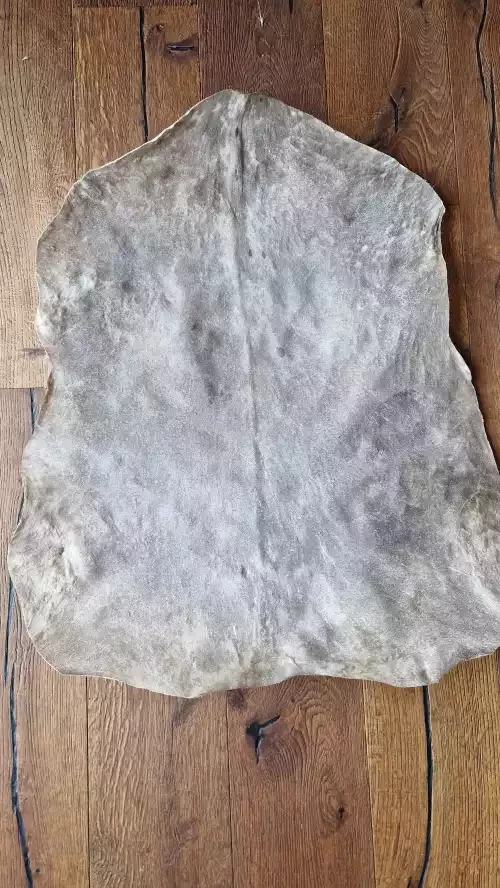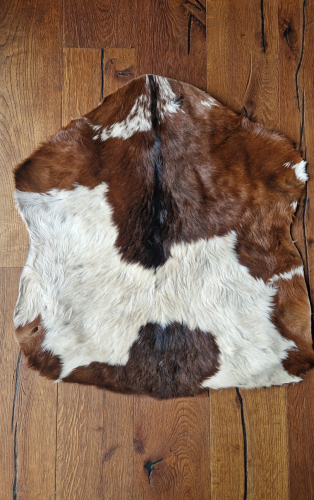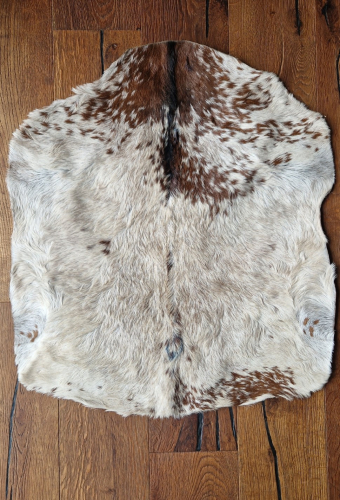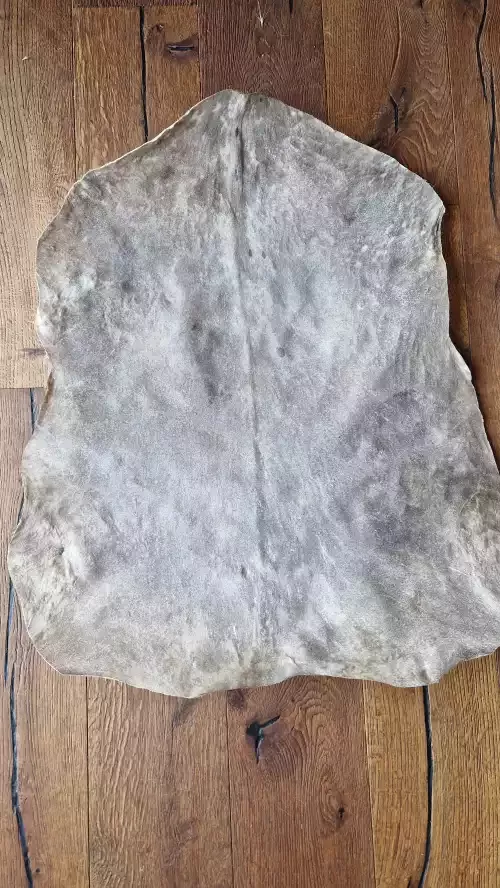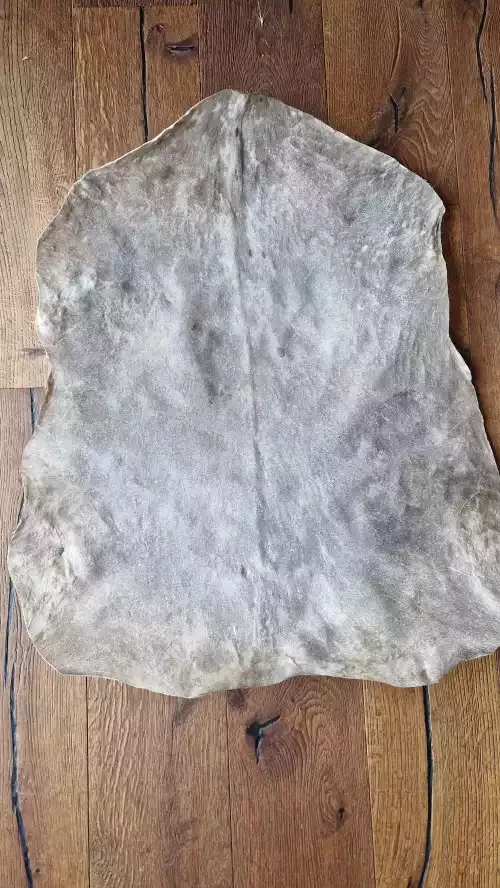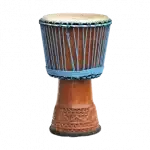
Goatskin is part of the traditional construction of West African djembes. When replacing a head, the skin needs to work with the drum shell and its tensioning system.
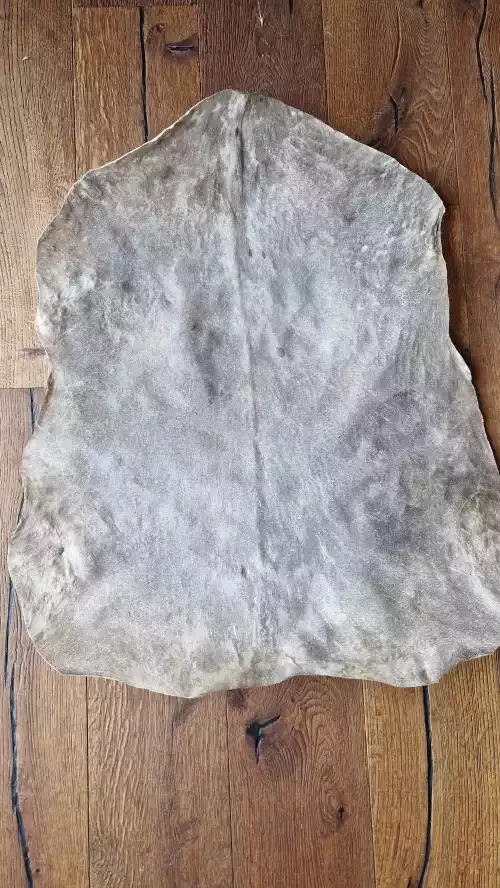
Shaved goatskins from Mali are available in 0.4–0.6 mm, 0.7–0.8 mm, 0.9–1 mm, 1.2–1.4 mm and 1.5–1.8 mm thicknesses. Thin and medium skins also come with the hair left on. A medium 0.7–0.8 mm skin provides a useful comparison point, rather than a universal recommendation. Thicker skins generally reduce higher overtones; the shell and tuning still shape the final sound.
View this option: Shaved goatskin, 0.7–0.8 mm thick.
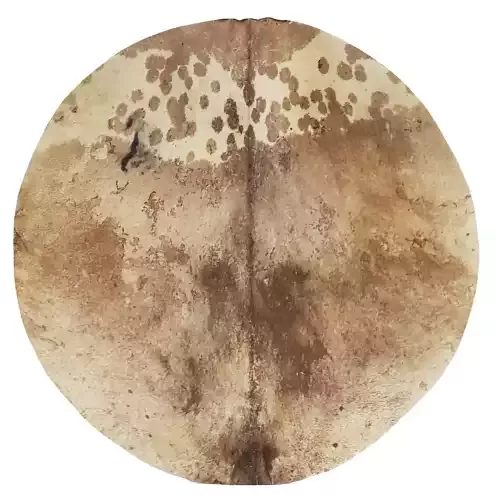
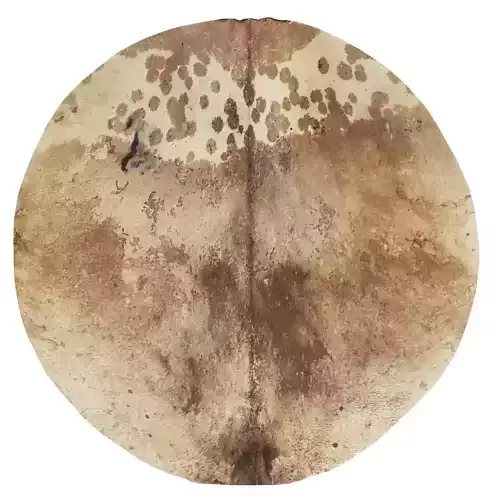
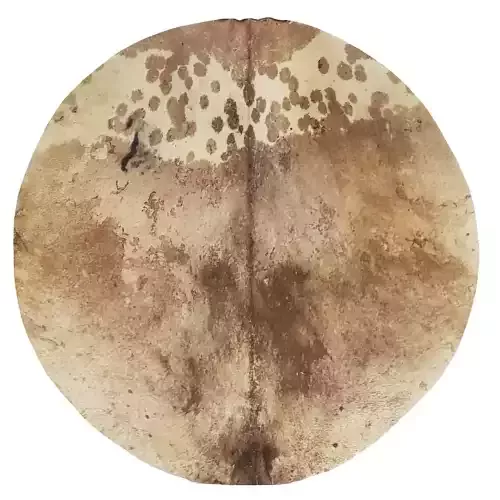
The listed shaved deer skins include thin 0.4–0.6 mm material at 65–66 cm in diameter and medium 0.7–0.8 mm material at 64–65 cm or 81–82 cm. Thicker deer skins of 0.9–1 mm are another option when comparing materials; check the current product selection for the variants offered here. These diameters describe the flat skin, not the size of a drum it will necessarily fit.
View this option: Deer skin, 0.7–0.8 mm thick and 64–65 cm in diameter.
Start with the playing surface, the outer dimensions and the height of the frame or shell rim. Allow additional material for wrapping and fastening, according to the construction. For example, the shaved 0.7–0.8 mm goatskin is listed at 59–75 cm wide and 64–90 cm long. Natural pieces vary, so check the usable area of the actual skin rather than treating that range as a guaranteed drum size.
This option requires a strong shell with sufficiently thick walls, made from sound, well-dried wood. The tension needed during fitting may deform an unsuitable shell. Before replacing an existing head with this thickness, have the shell and tensioning arrangement assessed by an experienced drum maker.
View this option: Extra-thick goatskin, 1.5–1.8 mm.
Our goatskins from Mali are selected for membrane quality. Shaved versions are degreased and naturally dried; unshaved skins retain their hair. We inspect each piece before dispatch and do not send skins with major defects such as holes or pronounced scars.
For a traditional djembe, use the original goatskin and construction as your starting point. The deer skins in this category are primarily intended for frame and shamanic drums. Check compatibility with the particular instrument.
No. Head diameter, shell shape, tension and playing technique also affect the result. Thickness should be considered alongside these factors, not used as a quality ranking.
Not necessarily. Surface finish and material thickness are separate features. Both thin and medium goatskins are offered shaved and with the hair retained.
Matching diameters do not establish a fit. You need spare material to go around the rim and secure the head; the allowance depends on the frame and fastening method.
These are loose skins for preparation and fitting, rather than universal heads mounted on a hoop. If you have not replaced a natural skin before, ask an experienced drum maker or repairer to help.
Natural skin responds to temperature and humidity. Store the drum in a dry, ventilated place and avoid sudden, intense heating of the head.
For other maintenance supplies, explore our accessories for African drums.