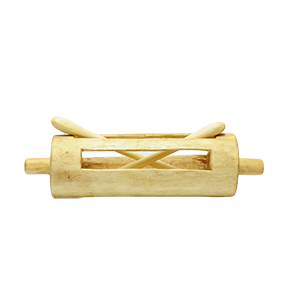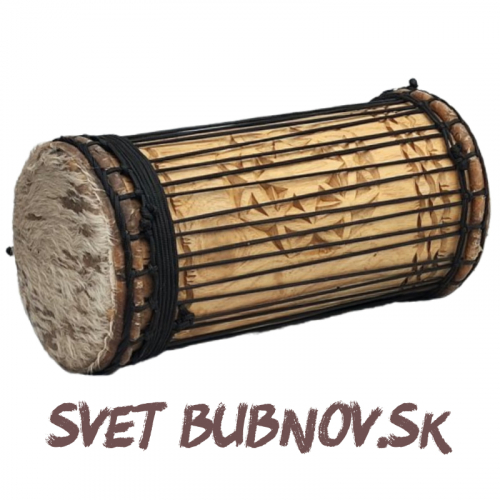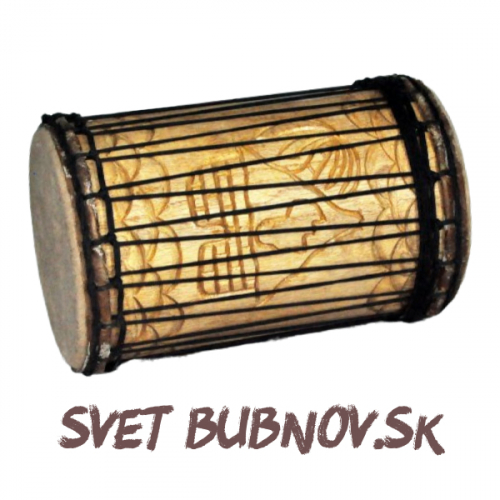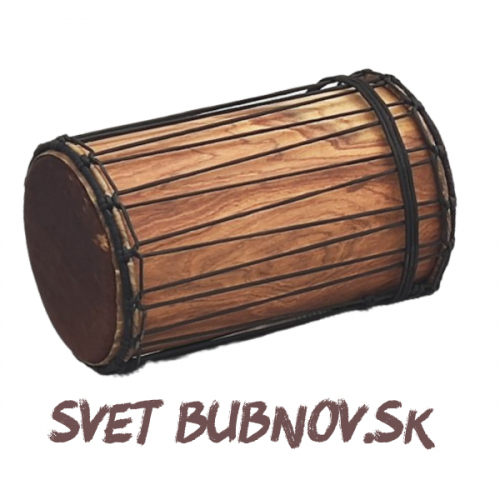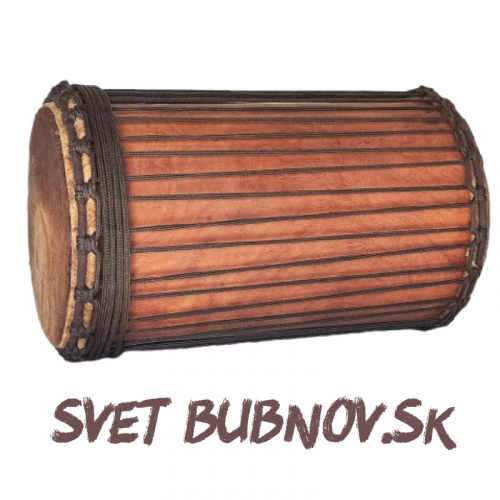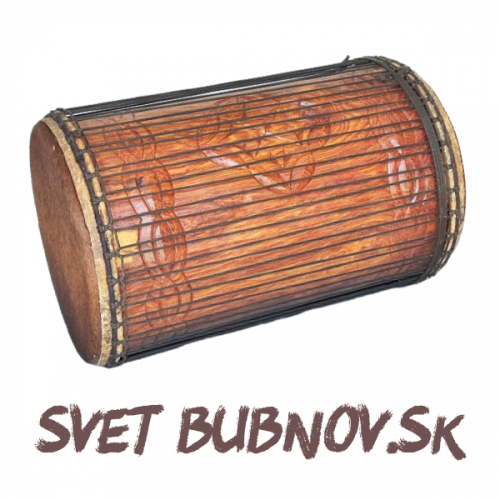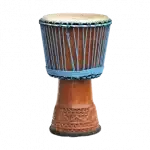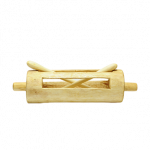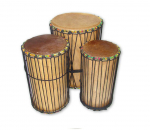
The Krin is a wooden slit drum associated with musical traditions in Guinea. Dunun bass drums are part of West African percussion ensembles and are often played alongside djembe.
Also called a Long Drum, the Krin has a hollow wooden body with slits and tongues rather than a skin head. Two wooden sticks strike different areas to produce contrasting tones and rhythmic patterns. The Krin Melina – Mali model is approximately 45–50 cm long. Allow room for both hands and place the instrument on a stable support before playing.
These cylindrical, skin-headed drums are played with sticks. In a typical ensemble, the Kenkeni provides a higher voice, the Sangban a middle voice and the Dundunba the lowest. The range includes Kenkeni Guinea Melina models measuring 47 or 50 cm high, a 48 cm Kenkeni Mali Lenké, a 55 cm Sangban Mali Lenké and a 70 cm Dundunba Guinea Rosewood. Choose the type that fills the role you need, rather than assuming that the largest drum is the best choice.
A Krin gives you distinct wooden tones on one instrument. A Dunun brings a skin-headed voice to rhythmic accompaniment. Compare diameter and weight as well as height, especially if you travel to rehearsals. Dimensions help you judge handling and space; they do not specify the exact pitch of a tuned drum.
Both spellings are used for this family of West African bass drums. When comparing instruments, look for the specific type: Kenkeni, Sangban or Dundunba.
They are normally played with sticks: two wooden sticks for the Krin and a stick striking the head for a Dunun. Check the individual product description to see whether suitable sticks are included.
No. A single drum is enough to practise an individual part. If you are joining an ensemble, choose the type and tuning that complement its other instruments and the rhythms you plan to play.