Nylon Strings for Classical Guitar MOGE MG43

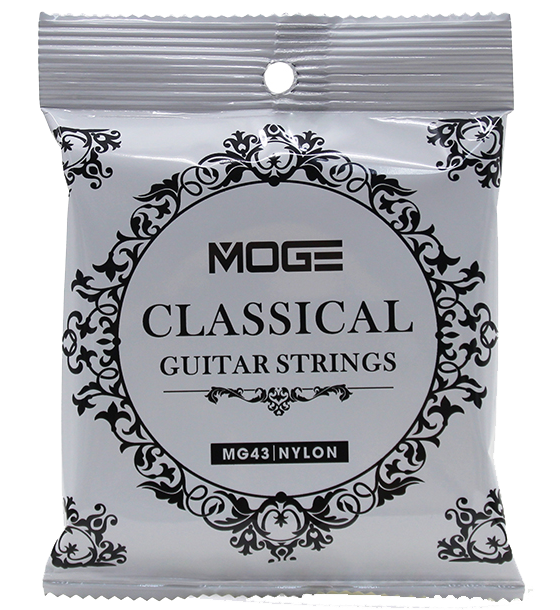
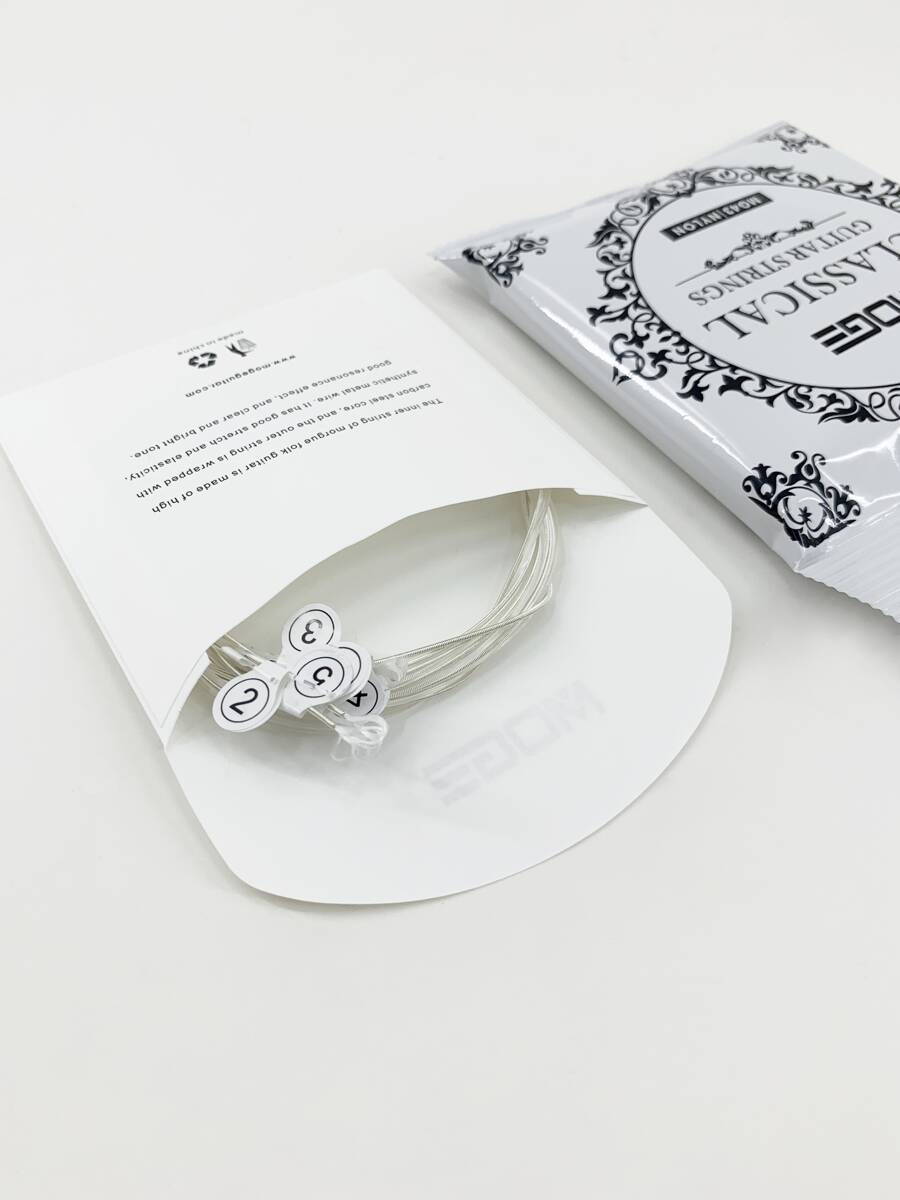
MOGE MG43 Nylon Strings for Classical Guitar The MOGE MG43 are high-quality nylon strings for classical guitar, offering a balanced tone, comfortable playing feel, and reliable tuning. Thanks to a combination of a nylon core and silver-coated copper winding, they provide a warm, natural sound with clear highs and full lows. These strings for classical or Spanish guitar are suitable for beginners, music students, and regular players. The lower tension of the strings ensures comfortable playing and finger-friendly, particularly appreciated by guitarists who are learning to play or practice regularly. Balanced sound and quality materials The MOGE MG43 strings are made from a nylon core and silver-coated copper alloy winding. This combination of materials ensures a warm tone, good dynamics, and stable tuning. Additionally, the surface of the strings is treated with a special anti-corrosion layer, which helps extend their lifespan.  Suitable guitars for these strings The MOGE MG43 strings are primarily intended for: Classical guitars Spanish guitars Flamenco guitars Electro-classical guitars In contrast to metallic strings for acoustic guitars, nylon strings provide a softer sound and more comfortable playing. Technical parameters Model: MOGE MG43 Type: Classical guitar strings Number of strings: 6 Core material: nylon Bass strings winding: silver-coated copper Surface treatment: anti-corrosion protection Tension: standard String gauges: .028 / .032 / .040 / .030 / .035 / .043 Ideal users for these strings The MOGE MG43 nylon strings are an ideal choice for: Guitar beginners and students Classical music players Flamenco guitarists Anyone seeking affordable and reliable strings Frequently asked questions about nylon guitar strings How often should I change nylon strings on a classical guitar? If you play regularly, it is recommended to change nylon strings approximately every 2 to 3 months. Nylon wears out slower than metal strings, but over time it loses the clarity of the tone and tuning stability. What types of guitars are nylon strings intended for? Nylon strings are intended for classical or Spanish guitars. They are mostly used in classical music, flamenco, or acoustic fingerstyle playing. Can I use nylon strings on an acoustic guitar? This is not recommended. Acoustic guitars are designed for metal strings, which have different tension. Nylon strings would not achieve the correct sound or volume on an acoustic guitar. Why do new nylon strings take long to stay in tune? Nylon is a flexible material, and new strings gradually stretch after being put on. Therefore, it is necessary to tune the guitar more frequently for the first few days until the strings stabilize. What's the difference between nylon and metal guitar strings? Nylon strings have a softer, warmer, and mellower sound. Metal strings used on acoustic guitars produce a louder and clearer tone with greater dynamics.

Code: 971393 Nylon Guitar Strings

  • 3,90 €


pc
in stock

3,90 €
Product description

MOGE MG43 Nylon Strings for Classical Guitar

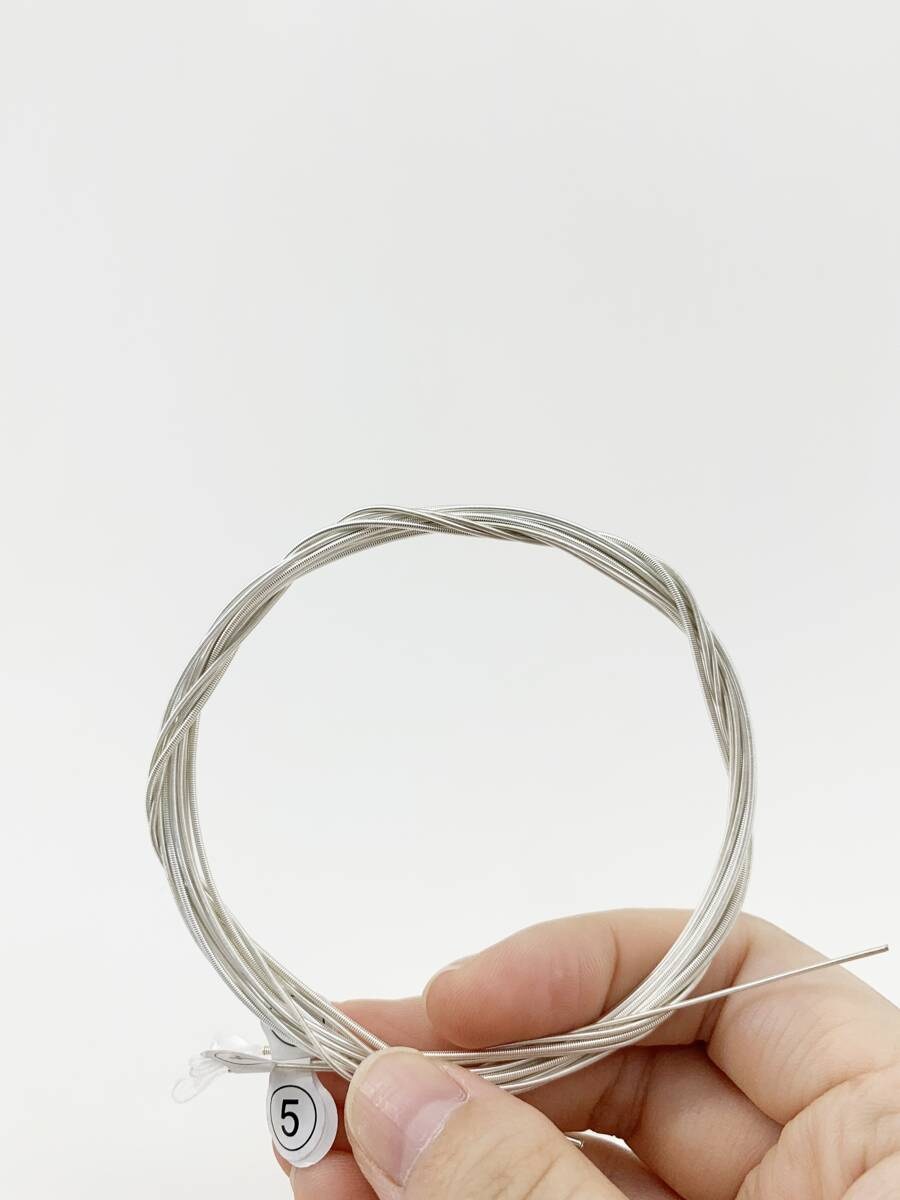
The MOGE MG43 are high-quality nylon strings for classical guitar, offering a balanced tone, comfortable playing feel, and reliable tuning. Thanks to a combination of a nylon core and silver-coated copper winding, they provide a warm, natural sound with clear highs and full lows.

These strings for classical or Spanish guitar are suitable for beginners, music students, and regular players. The lower tension of the strings ensures comfortable playing and finger-friendly, particularly appreciated by guitarists who are learning to play or practice regularly.

Balanced sound and quality materials

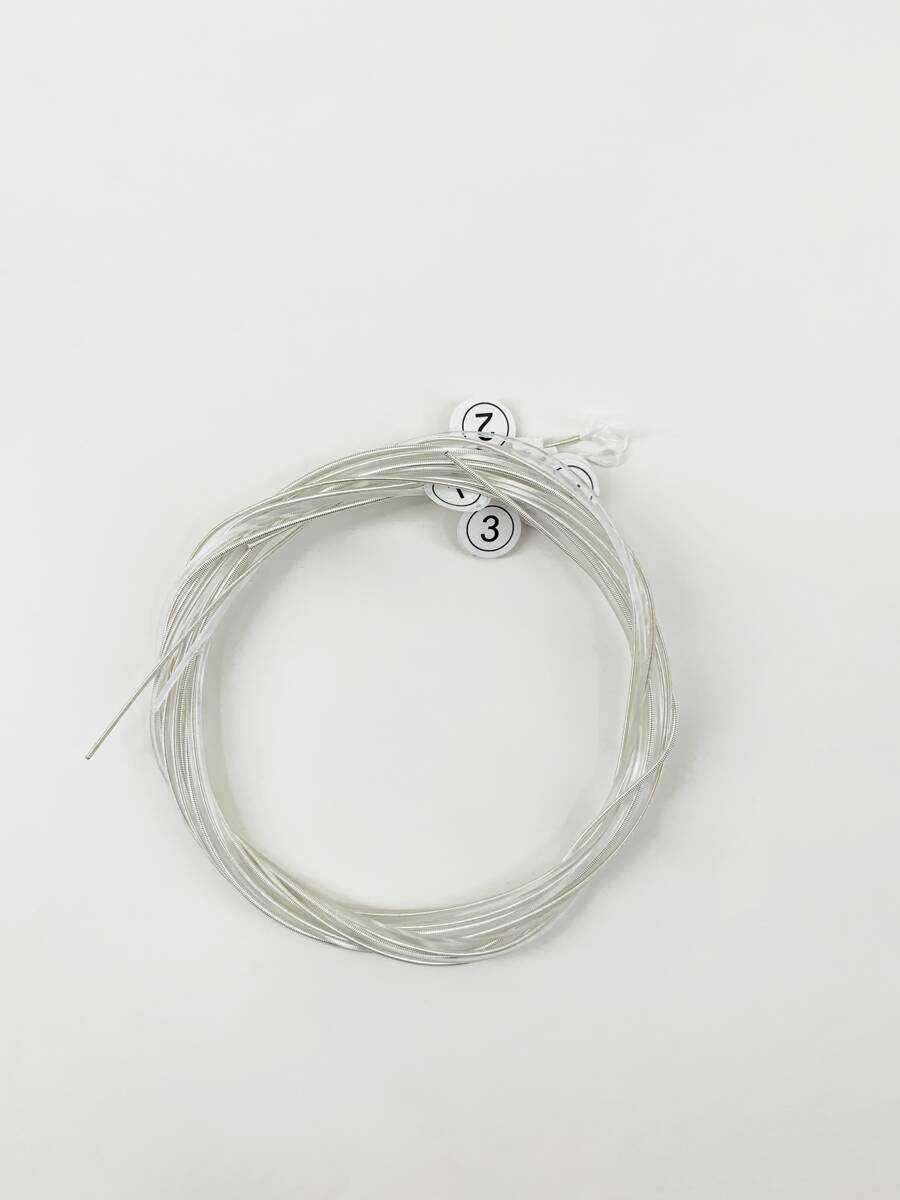
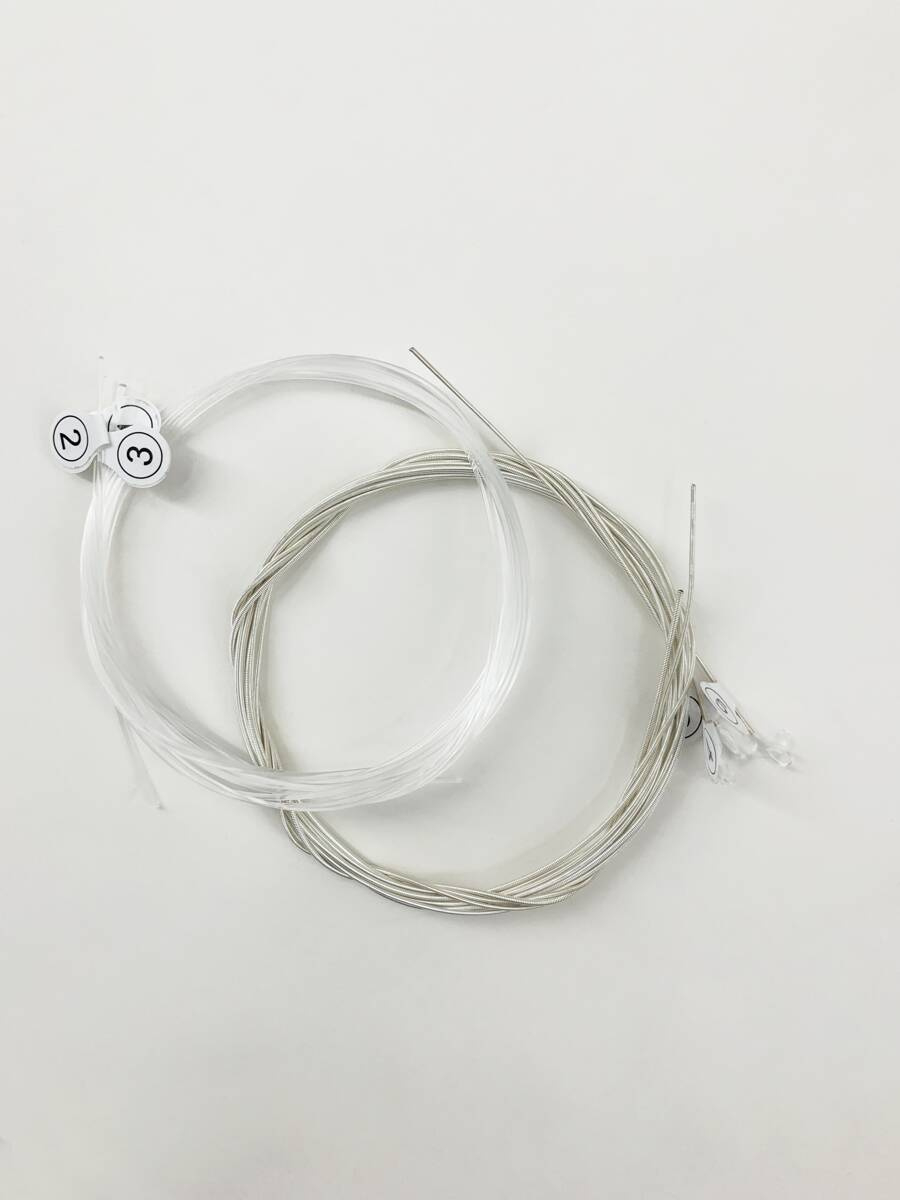
The MOGE MG43 strings are made from a nylon core and silver-coated copper alloy winding. This combination of materials ensures a warm tone, good dynamics, and stable tuning. Additionally, the surface of the strings is treated with a special anti-corrosion layer, which helps extend their lifespan. 

Suitable guitars for these strings

The MOGE MG43 strings are primarily intended for:

  • Classical guitars
  • Spanish guitars
  • Flamenco guitars
  • Electro-classical guitars

In contrast to metallic strings for acoustic guitars, nylon strings provide a softer sound and more comfortable playing.

Technical parameters

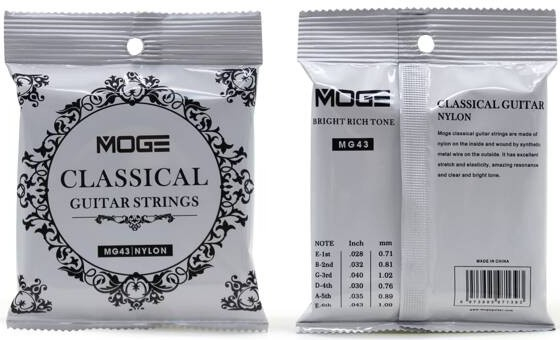
  • Model: MOGE MG43
  • Type: Classical guitar strings
  • Number of strings: 6
  • Core material: nylon
  • Bass strings winding: silver-coated copper
  • Surface treatment: anti-corrosion protection
  • Tension: standard
  • String gauges: .028 / .032 / .040 / .030 / .035 / .043

Ideal users for these strings

The MOGE MG43 nylon strings are an ideal choice for:

  • Guitar beginners and students
  • Classical music players
  • Flamenco guitarists
  • Anyone seeking affordable and reliable strings

Frequently asked questions about nylon guitar strings

How often should I change nylon strings on a classical guitar?

If you play regularly, it is recommended to change nylon strings approximately every 2 to 3 months. Nylon wears out slower than metal strings, but over time it loses the clarity of the tone and tuning stability.

What types of guitars are nylon strings intended for?

Nylon strings are intended for classical or Spanish guitars. They are mostly used in classical music, flamenco, or acoustic fingerstyle playing.

Can I use nylon strings on an acoustic guitar?

This is not recommended. Acoustic guitars are designed for metal strings, which have different tension. Nylon strings would not achieve the correct sound or volume on an acoustic guitar.

Why do new nylon strings take long to stay in tune?

Nylon is a flexible material, and new strings gradually stretch after being put on. Therefore, it is necessary to tune the guitar more frequently for the first few days until the strings stabilize.

What's the difference between nylon and metal guitar strings?

Nylon strings have a softer, warmer, and mellower sound. Metal strings used on acoustic guitars produce a louder and clearer tone with greater dynamics.


Producer
MOGE
Use

List of allergens
A list of allergens that may cause a skin allergic reaction in some sensitive individuals. Pursuant to Section 49 of the European Parliament and Council Regulation (EC) 1223/2009 on cosmetic products.