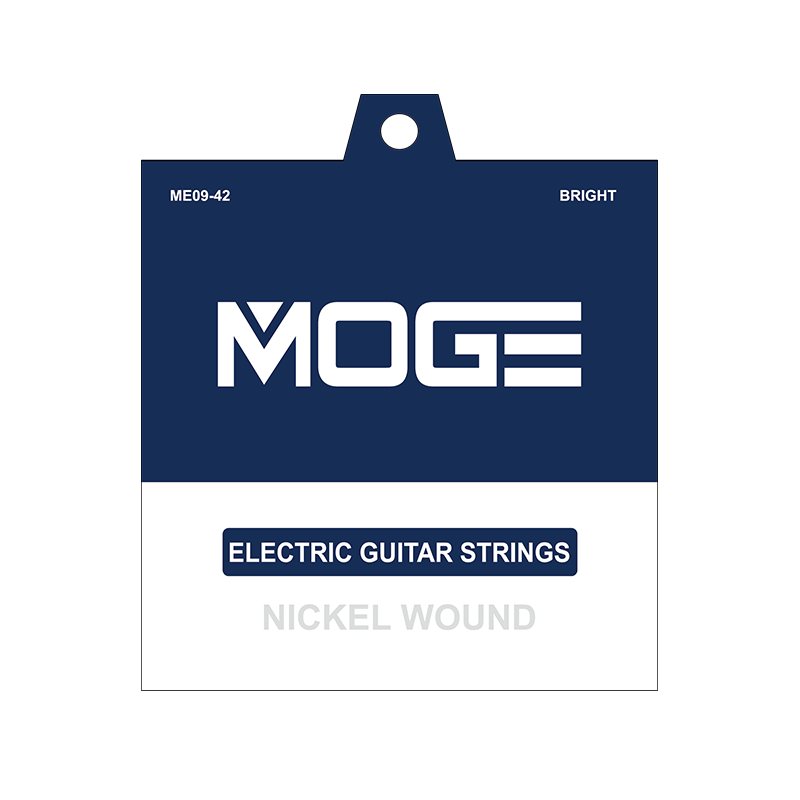
Electric guitar strings are fundamental to shaping your instrument's voice and playability. Because electric guitar pickups capture sound through a magnetic field, these strings are constructed with specialized steel cores and alloys. Choosing the right set ensures your guitar delivers maximum clarity, sustain, and responsiveness across all playing styles.
Display full description
Electric guitar strings are fundamental to shaping your instrument's voice and playability. Because electric guitar pickups capture sound through a magnetic field, these strings are constructed with specialized steel cores and alloys. Choosing the right set ensures your guitar delivers maximum clarity, sustain, and responsiveness across all playing styles.
Replacing your strings regularly is the simplest way to restore crisp highs, rich harmonics, and dependable tuning stability to your guitar.
Choosing the Right Electric Guitar Strings
When selecting a set of electric guitar strings, your main considerations should be the winding material and the string gauge (thickness).
Winding Materials and Their Sonic Profiles:
- Nickel-Plated Steel – the most popular, versatile option. Offers a well-rounded balance of bright highs and warm lows, making it suitable for virtually any genre.
- Pure Nickel – delivers a warmer, vintage-inspired tone with smooth highs. Perfect for classic rock, blues, and jazz.
- Stainless Steel – features a bright, punchy sound with exceptional sustain and high resistance to corrosion. Highly favored for hard rock and metal.
- Coated Strings – treated with a ultra-thin protective barrier that resists sweat and grime, helping your strings retain their fresh tone significantly longer.
Understanding String Gauges and Playability
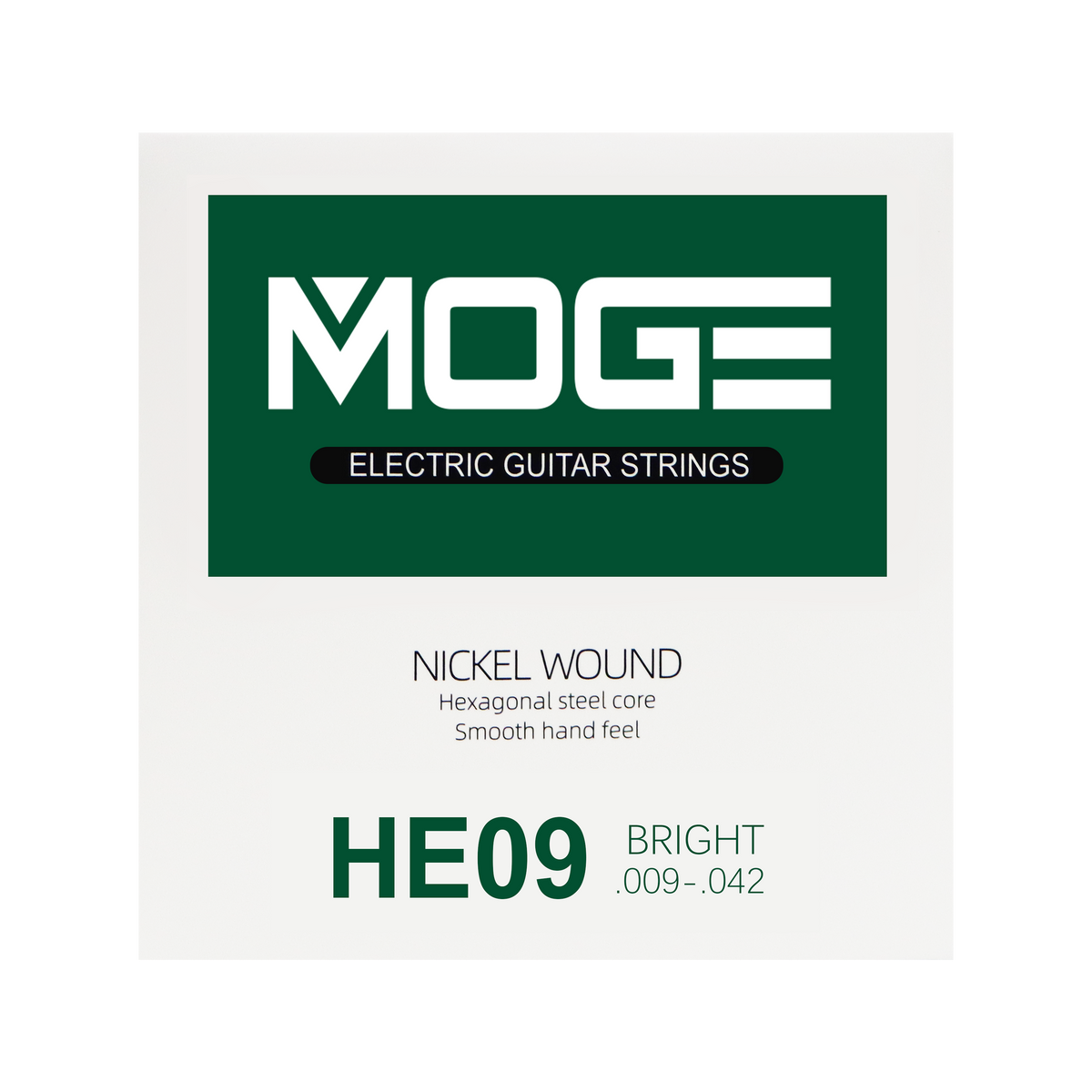
String gauge (measured in thousandths of an inch, e.g., .009–.042) dictates the tension on the neck and how much physical effort is needed to fret or bend notes:
- Light Gauges (.008 and .009) – require minimal finger pressure, allowing for effortless string bending and fast soloing. Ideal for beginners and players with a lighter touch.
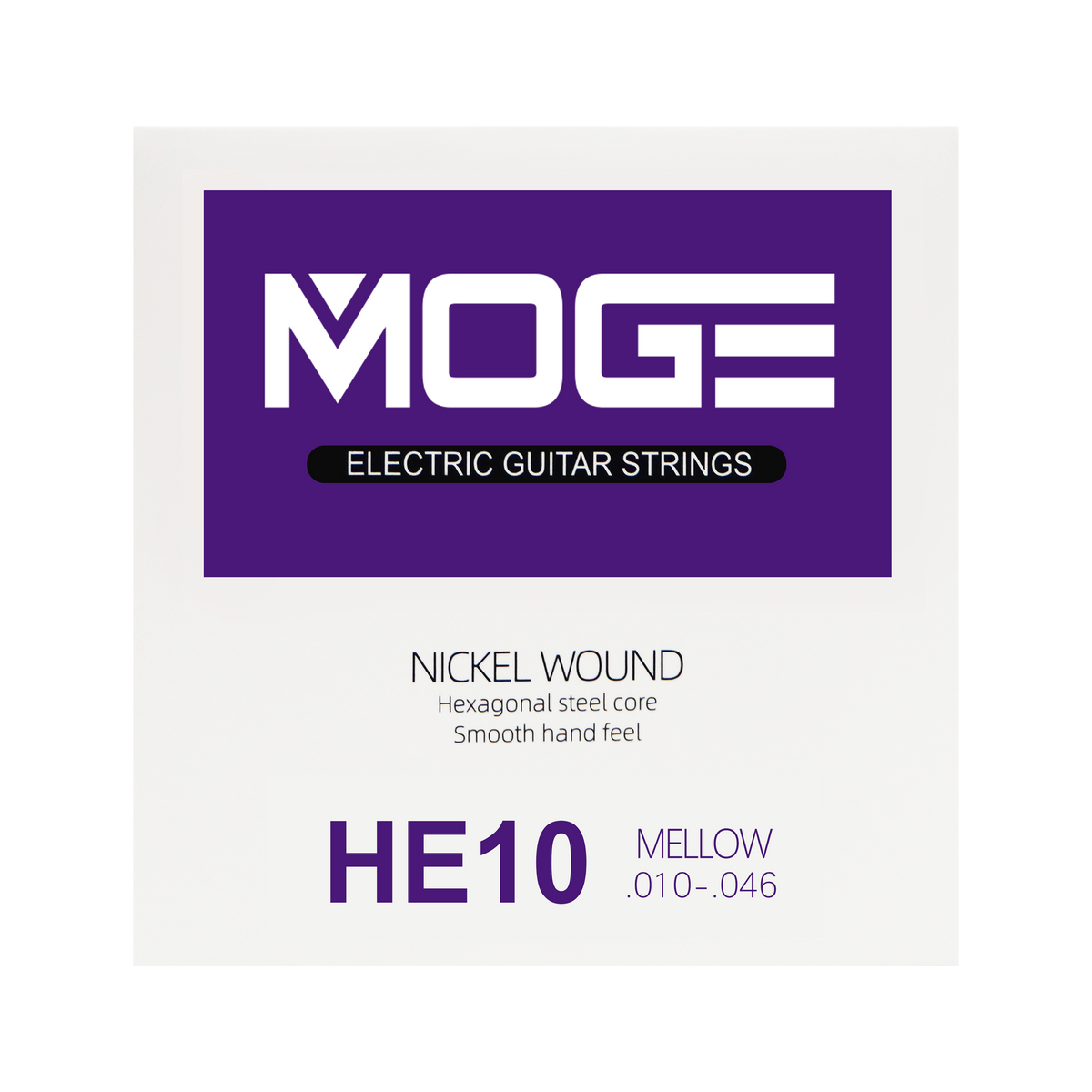
- Standard Gauges (.010–.046) – the industry standard. Offers an excellent compromise between full-bodied tone, tuning stability, and comfortable playability.
- Heavy Gauges (.011 and higher) – provide a thicker sound with enhanced low-end punch, maintaining proper tension for detuned or drop-tuning setups.
Signs It Is Time for a New Set
Depending on how often you play, strings should typically be changed every 4 to 8 weeks. You will know it is time to re-string when:
- The overall tone sounds dull, flat, or muddy.
- The guitar struggles to hold its tuning or intonation.
- You feel rough spots, grime buildup, or visible discoloration on the underside of the strings.
- The strings lose their elasticity and become prone to breakage.
Find Your Ideal Set of Electric Guitar Strings
Explore our wide selection of electric guitar strings from leading manufacturers. Choose the ideal gauge and material to match your playing style and get the absolute best tone out of your gear.