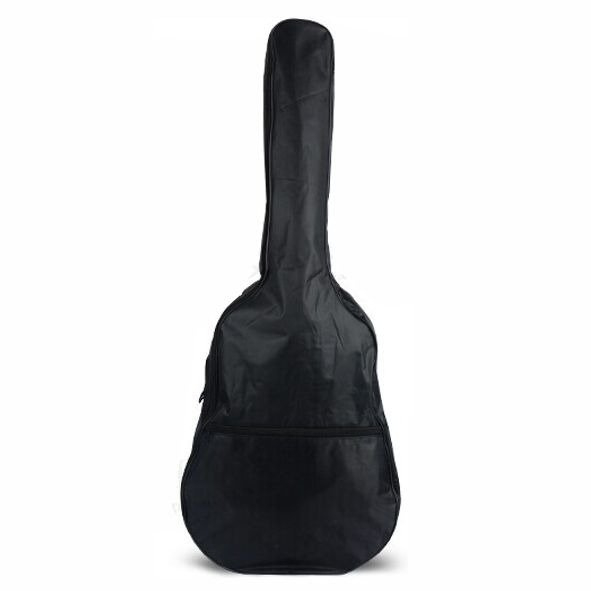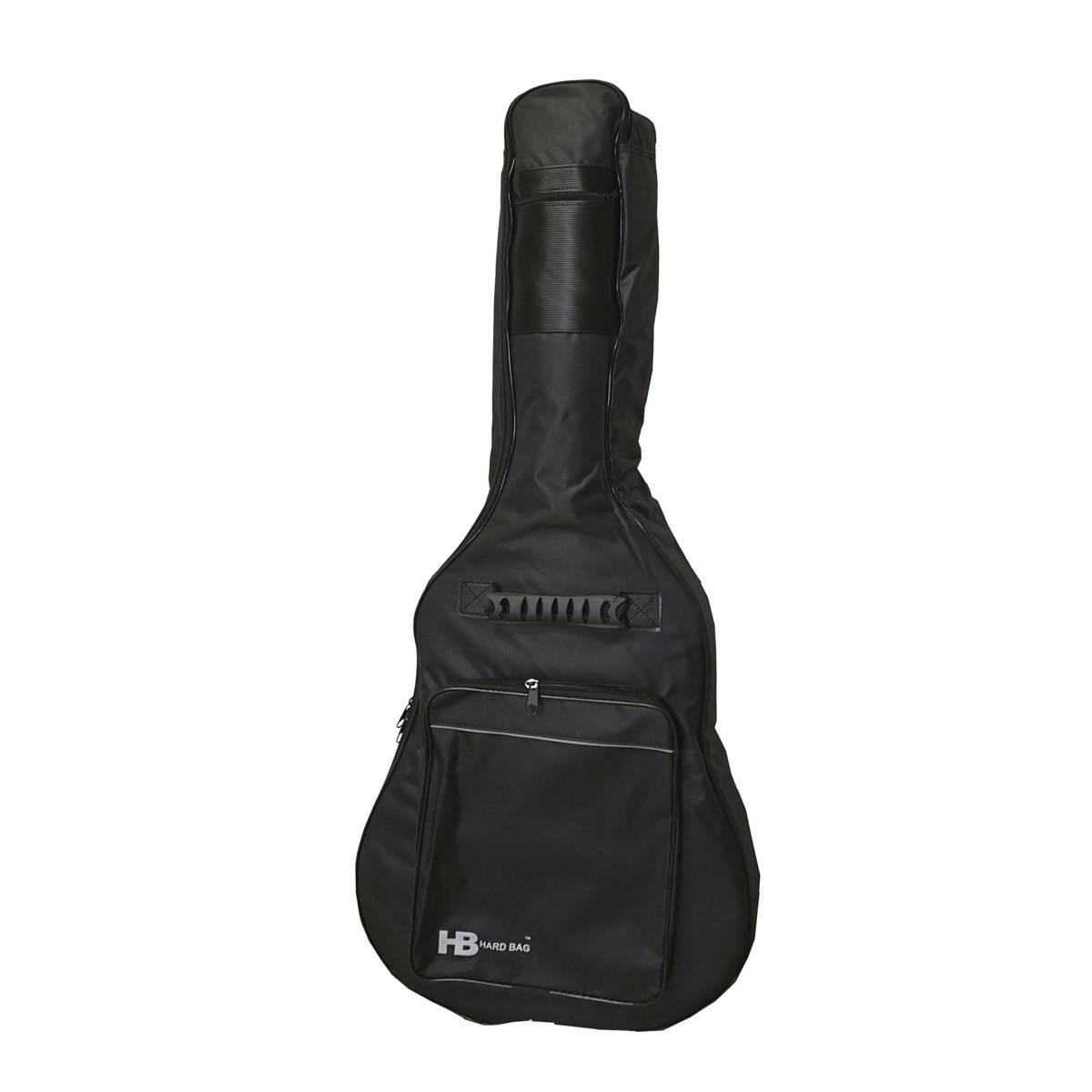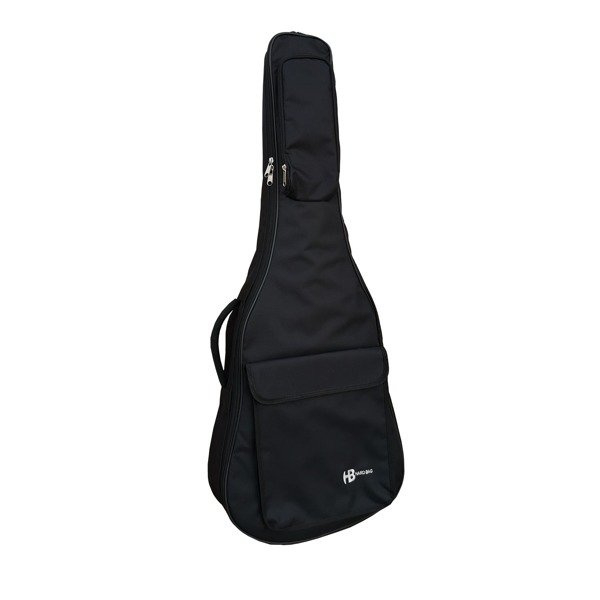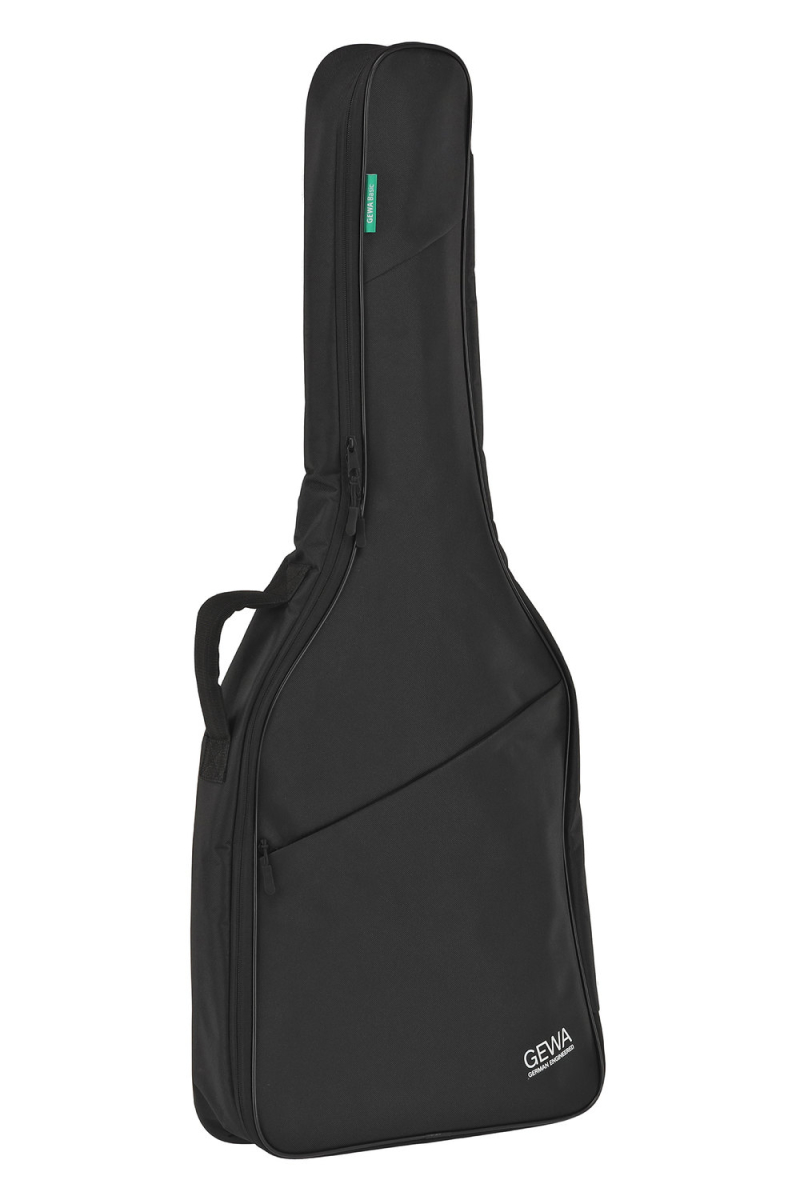
Cases and bags for classical guitars are among the essential guitar accessories. They help protect the instrument from dust, scratches, and mechanical damage during everyday use, transport to music lessons, or travel. Whether you need a simple bag for a beginner’s classical guitar, a padded gig bag, or a hard case, the right size and level of protection are crucial.
When choosing, consider primarily the size of the classical guitar, thickness of the padding, carrying method, and frequency of transport. A different bag will suffice for home storage, while another is more suitable for regular commuting to music school or concerts.
Cases and bags for classical guitars differ in construction, material, and level of protection. You will most often encounter three basic types.
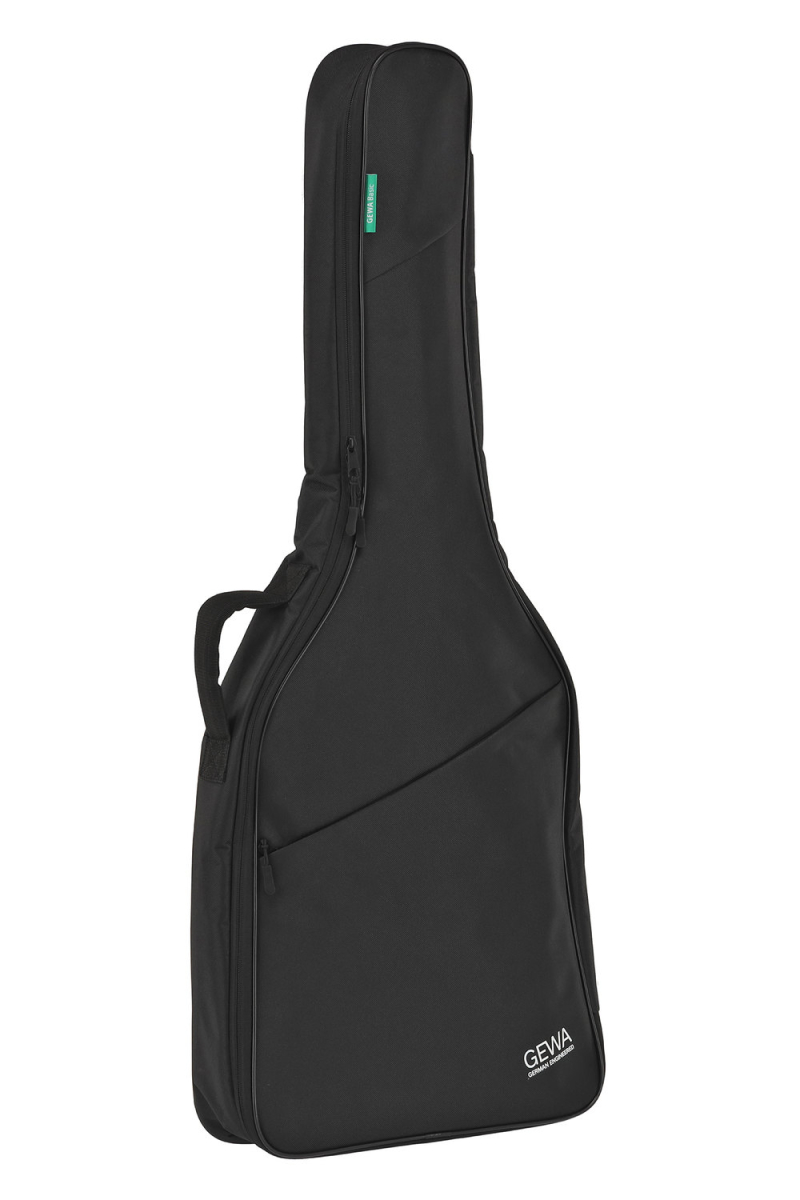
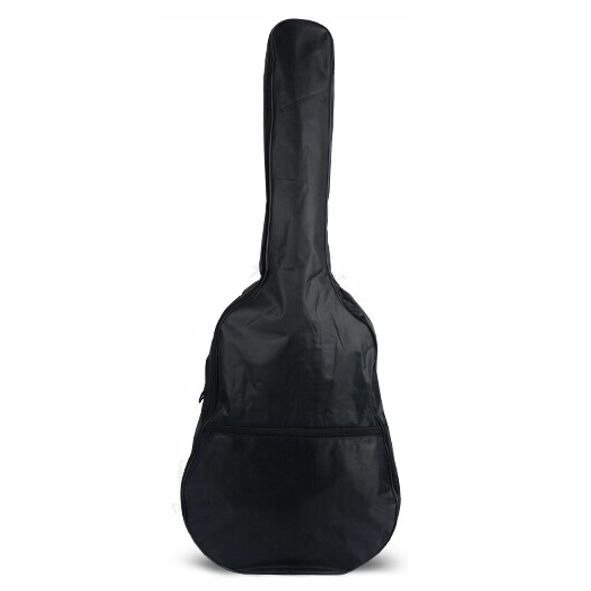
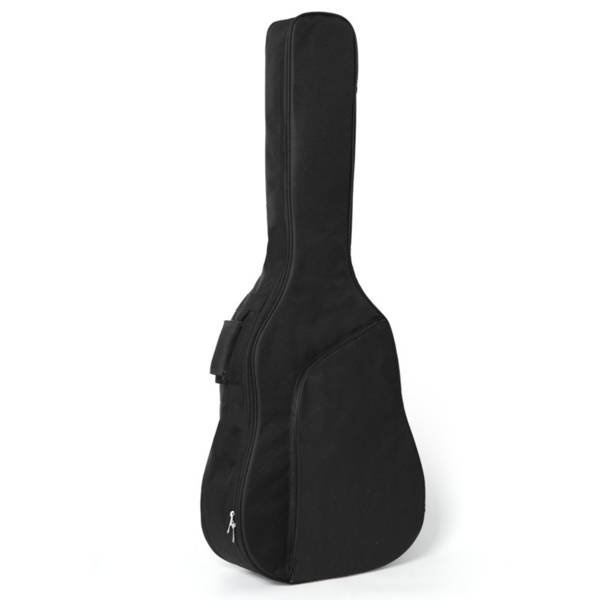
A lightweight guitar bag is a practical choice for everyday storage and easy transport. It helps protect the guitar from dust and surface scratches, but provides only limited protection against impacts.
It is especially suitable for beginners and players who only occasionally carry their guitar.
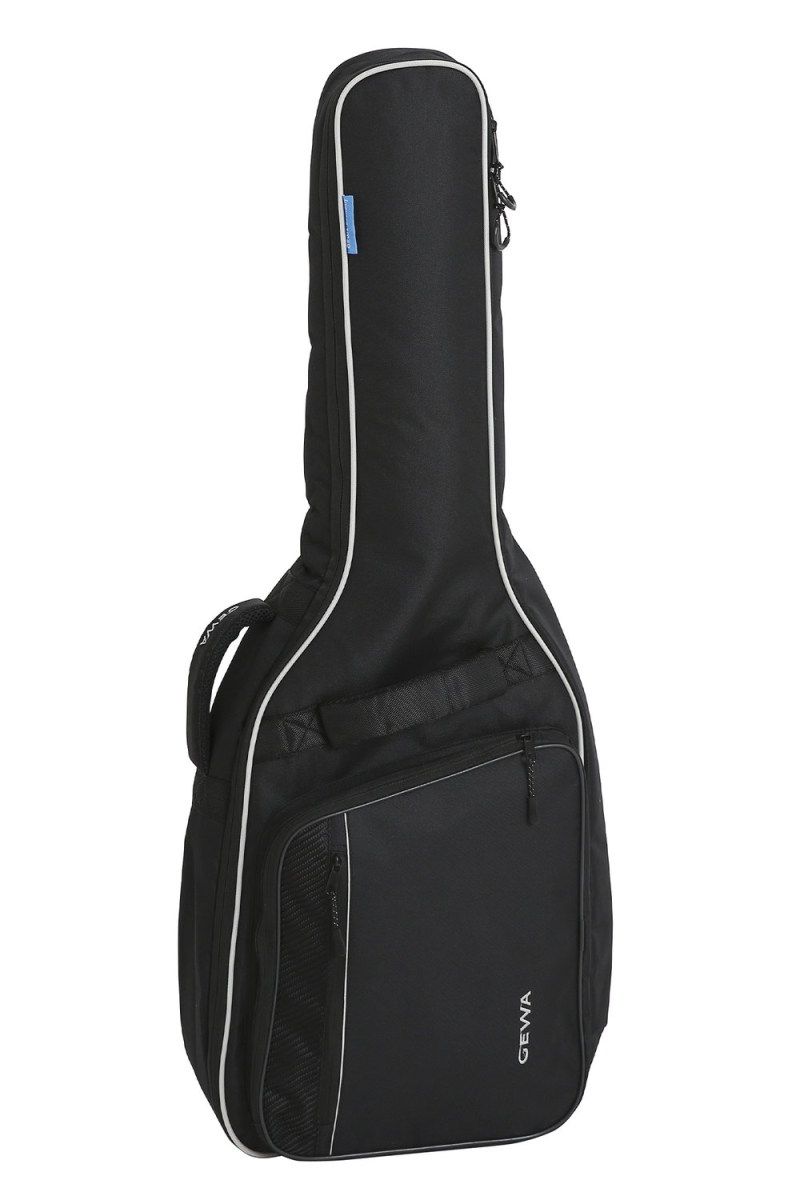
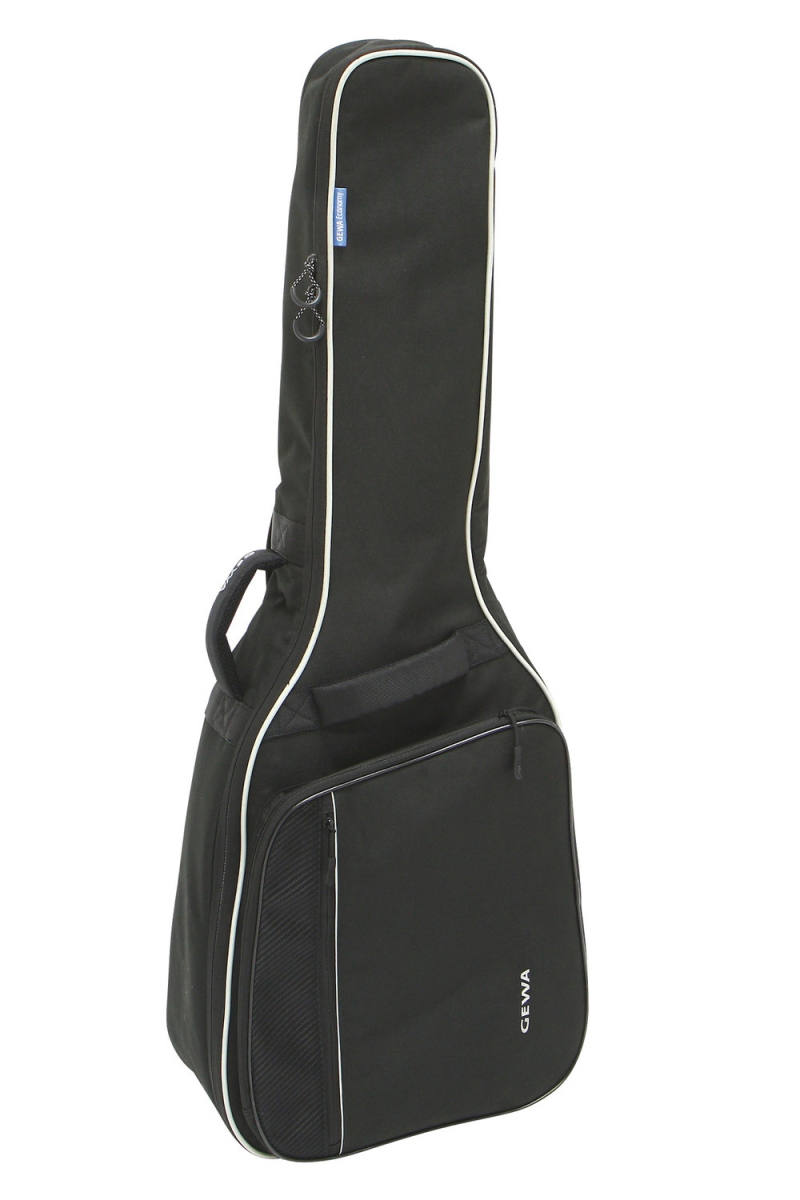
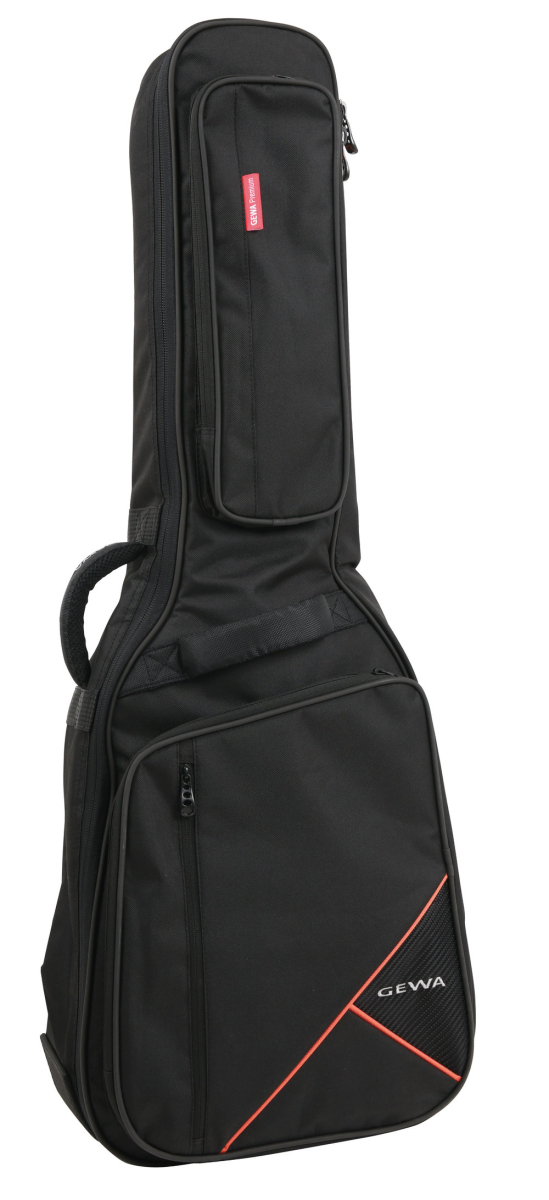
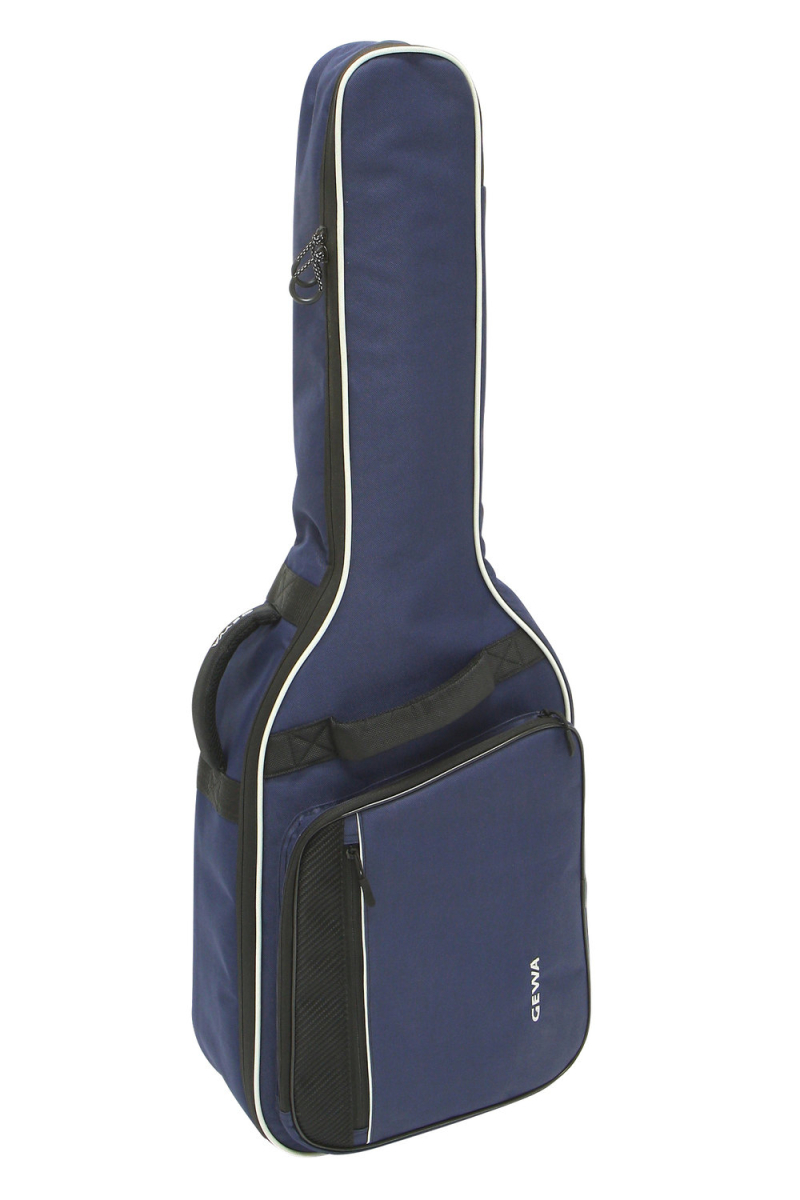
A padded bag for a classical guitar offers a higher level of protection thanks to its soft lining. The padding helps absorb minor impacts and protects the instrument during regular transport.
Such gig bags are popular among music school students, college students, and guitarists who often take their instrument to rehearsals or performances. Models with adjustable backpack straps, sturdy handles, and accessory pockets are particularly practical.
A hard case for a classical guitar is suitable for players who need a higher level of mechanical protection. Thanks to its solid construction, it withstands pressure and impacts better than a regular soft bag.
You will appreciate it when traveling frequently, transporting your instrument, or protecting a more valuable classical guitar.
When purchasing a case, it is essential to choose the correct size. Classical guitars come in various sizes, and a bag designed for a full-size guitar may not fit a child’s instrument properly.
| Guitar Size | Recommended Bag | Typical Use |
|---|---|---|
| 4/4 | 4/4 classical guitar bag | Adults and older students |
| 7/8 | Bag compatible with 7/8 guitar | Older children and players preferring a smaller instrument |
| 3/4 | 3/4 classical guitar bag | Children and younger students |
| 1/2 | 1/2 classical guitar bag | Smaller children and beginner guitarists |
| 1/4 | 1/4 classical guitar bag | Smallest children’s guitars |
Important: The size label alone does not always guarantee compatibility. Before purchasing, compare your guitar’s dimensions with the internal measurements of the case, especially the overall length, body width, and depth.
If you are choosing a bag for a child’s classical guitar, focus on low weight, comfortable carrying, and the correct size. For children attending music school, a padded gig bag with adjustable backpack straps is especially practical.
This allows the child to carry the guitar more comfortably and store sheet music or small accessories in the bag’s pocket. When choosing, don’t forget to check whether the bag is suitable for a 1/2, 3/4, or 4/4 size guitar.
Yes. Classical guitars and western acoustic guitars often differ in shape, body width, and depth. A bag designed for a western guitar may not fit a classical guitar properly, and vice versa.
Always check the instrument type label and the actual dimensions of the bag when choosing. A properly fitting case helps limit unwanted movement of the guitar during transport.
It depends on how you use it. For occasional transport, a lightweight bag may suffice; for regular commuting to music school, a padded gig bag is more suitable. For frequent travel, consider a hard guitar case.
Not always. A smaller guitar may be too loose in the bag, reducing stability during transport. It is best to choose a case designed for the specific size of your instrument.
For music school students, we recommend a padded bag with adjustable backpack straps and a pocket for sheet music or accessories.
A padded bag is generally lighter and more practical for everyday carrying. A hard case provides higher protection against mechanical pressure and impacts, but is usually heavier.
No. Some bags have water-repellent or water-resistant material, but this does not automatically mean they are fully waterproof. Always check the specifications of the particular model.
Check the guitar’s size label and compare its dimensions with the internal measurements of the case. The overall length, body width, and depth are important.
Only if the dimensions and shape of the bag match your classical guitar. Universal compatibility cannot be assumed.
Whether you are looking for a 4/4 classical guitar bag, a 3/4 children’s guitar case, a padded gig bag, or a hard case, the right protection will help keep your instrument in good condition during storage and transport. Choose according to the size of your guitar, the level of protection required, and how you intend to use it.