Cases and bags for acoustic guitars are among the most important guitar accessories. They help protect your instrument from dust, scratches, and mechanical damage during transport, storage, or travel. Whether you’re looking for a simple acoustic guitar bag, a padded gig bag, or a hard case for a western guitar, the right size, shape, and desired level of protection are crucial.
Acoustic guitars come in various shapes and sizes. When choosing a case, it’s not enough to just look at the 4/4 label. The most important factors are the overall length of the guitar, the width and depth of the body, the type of construction, and the internal dimensions of the case.
Acoustic guitar bags differ in material, padding thickness, carrying options, and level of protection. You’ll most often encounter three basic types.
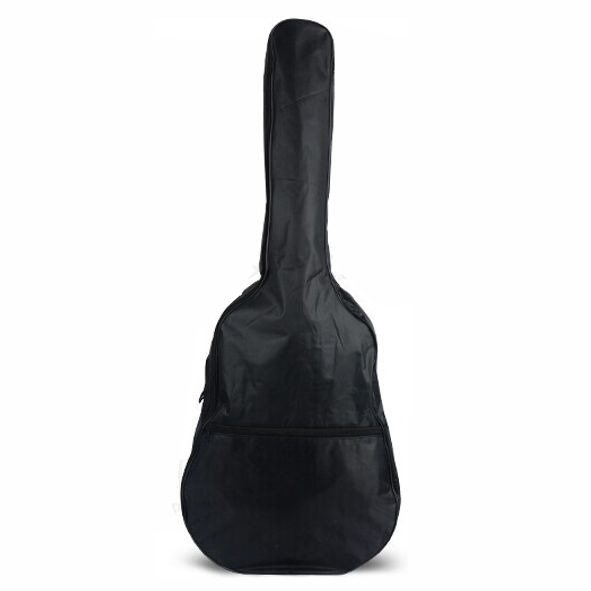
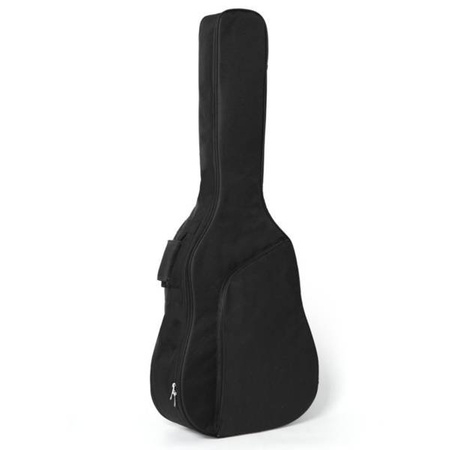
A lightweight acoustic guitar bag is a practical and affordable solution for everyday storage and occasional transport. It protects the instrument from dust and surface scratches, but only provides limited protection against impacts.
It is especially suitable for beginners and guitarists who only occasionally carry their instrument.
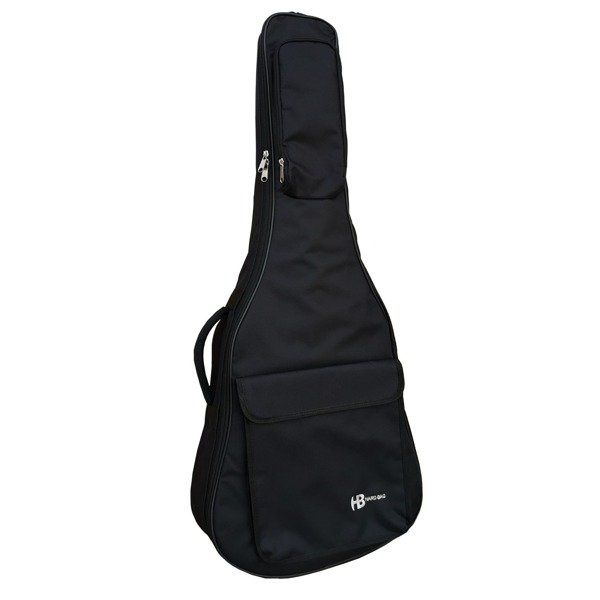
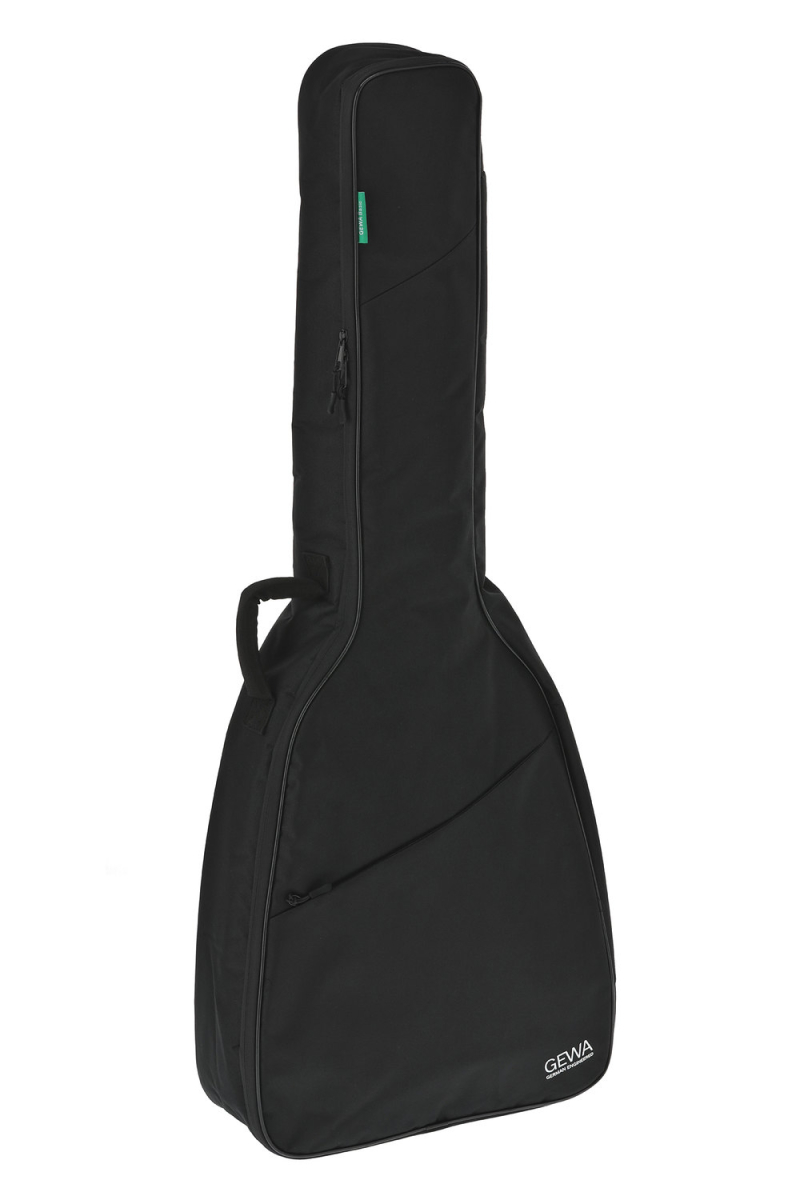
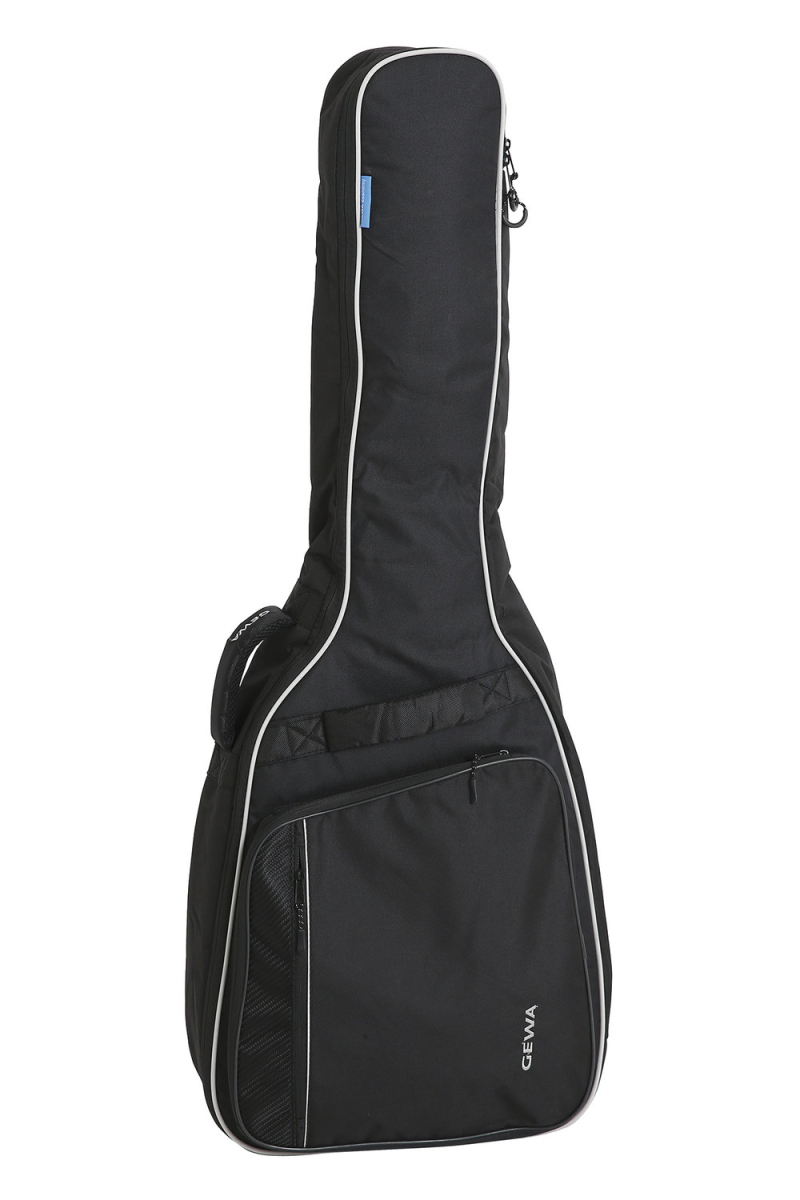
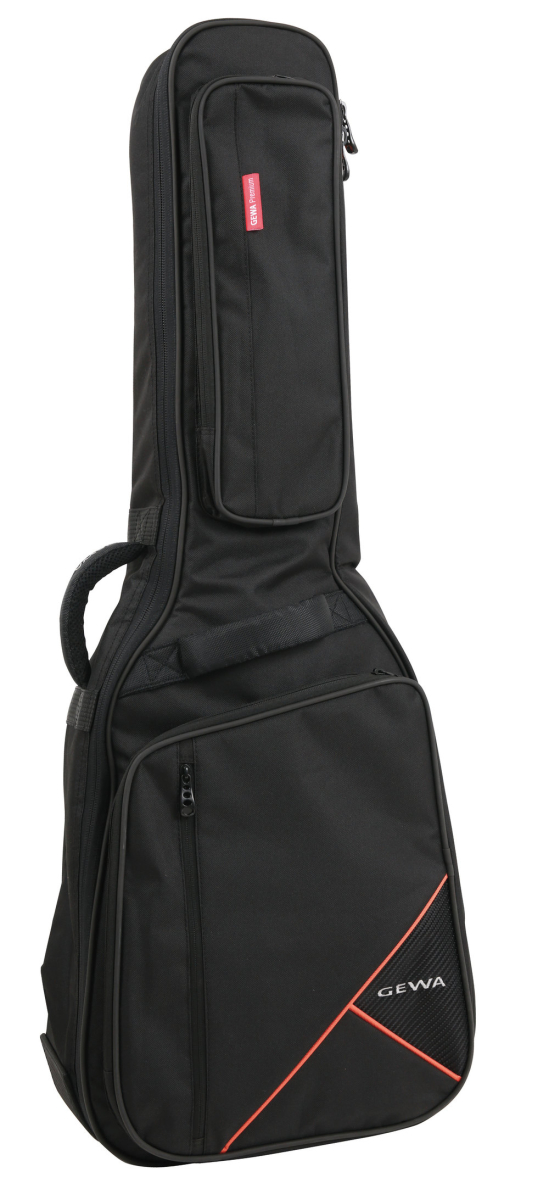
A padded acoustic guitar case, often referred to as a gig bag, offers a higher level of protection thanks to its soft padding. The padding helps absorb minor impacts and reduces damage during daily transport.
Models with adjustable backpack straps, comfortable handles, and external accessory pockets are particularly practical. A padded guitar case is ideal for commuting to music school, rehearsals, and regular playing.
A hard case for an acoustic guitar provides greater protection against mechanical pressure and impacts than a regular soft bag. It is especially suitable for frequent travel, instrument transport, or for protecting more valuable guitars.
When choosing a hard case, it is especially important that its internal shape matches the body of your specific guitar and that the instrument does not have excessive play inside.
Western acoustic guitars come in several typical shapes. The differences between them can be significant, so not every guitar bag or case will fit all models.
| Type of Acoustic Guitar | Characteristics | Case Selection |
|---|---|---|
| Dreadnought | Popular western guitar type with a larger body. | Bag or case compatible with dreadnought shape. |
| Jumbo | Large and wide acoustic guitar body. | Case designed for jumbo or matching dimensions. |
| Grand Auditorium | Versatile shape with a distinct waist. | Case according to the specific dimensions and shape of the instrument. |
| Concert / Grand Concert | More compact body than many dreadnought guitars. | Case for smaller acoustic guitars. |
| Parlor | Smaller acoustic guitar with a compact body. | Case suitable for parlor guitar according to dimensions. |
Important: Shape labels and their dimensions may vary between manufacturers. Always compare your guitar’s measurements with the internal dimensions of the chosen case before ordering.
If you regularly carry your guitar to lessons, rehearsals, or band practice, a padded western guitar case offers a practical combination of protection and comfortable carrying.
Models with adjustable straps allow you to carry the guitar on your back, while external pockets provide space for guitar accessories. For everyday use, you’ll also appreciate durable material, sturdy handles, and reliable closures.
An electro-acoustic guitar generally has a similar body construction to a regular acoustic guitar but is equipped with electronics and an output for connecting to an amplifier or PA system.
When choosing a case, the shape and size of the instrument are the most important factors. Many electro-acoustic guitars can be stored in the same type of case as acoustic guitars of the corresponding size. However, always check compatibility for your specific model.
A classical guitar with nylon strings and a western acoustic guitar with steel strings often differ in body shape and dimensions.
Western guitars such as dreadnought or jumbo may have a larger and deeper body than classical guitars. Therefore, a case designed for a classical guitar may not be suitable for a western guitar.
The most reliable way to choose is to compare the actual dimensions of your instrument with the internal dimensions of the case or hard case.
It depends on how you use it. For occasional transport, a lightweight bag may suffice; for regular carrying, a padded case is more suitable; and for frequent travel, a hard case is recommended.
Choose a case labeled as compatible with dreadnought guitars. However, always check the internal dimensions of the case and your instrument before purchasing.
Not automatically. Jumbo guitars may have a wider body, so you need to check the dimensions of the specific case.
Yes. Padded guitar cases are practical for regular transport to music school, rehearsals, or performances. The level of protection depends on the construction and thickness of the padding.
Yes, if the dimensions and shape of the electro-acoustic guitar match the case. The presence of electronics is usually not a decisive factor.
No. Some models use water-repellent or water-resistant materials, but this does not automatically mean they are fully waterproof. Check the specifications of the specific case for its properties.
A bag is usually lighter and more comfortable for everyday carrying. A hard case provides greater mechanical protection but is heavier and takes up more space.
Measure the overall length of the guitar, the widest part of the body, and its maximum depth. Compare these measurements with the internal dimensions of the case. For a hard case, body shape compatibility is also important.
Whether you need a case for a dreadnought acoustic guitar, a padded bag for a western guitar, a case for an electro-acoustic guitar, or a hard guitar case, the right choice will help protect your instrument during transport and storage.
Focus on the correct size, suitable padding, comfortable carrying, and the desired level of protection. A well-chosen case is a practical accessory for every acoustic guitar.