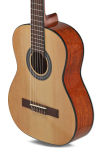
Nylon guitar strings are designed primarily for classical or Spanish guitars. Compared to steel strings, nylon strings produce a warmer and softer tone while providing a comfortable playing feel. Because of their lower tension, they are easier on the fingers and ideal for players who prefer a smooth, balanced sound.
Classical guitar strings made from nylon are widely used in styles such as classical music, flamenco, Latin music and fingerstyle guitar playing. They are popular among beginners as well as professional guitarists.
Nylon strings for guitar are specifically made for instruments that are designed for lower string tension.
They are generally not suitable for steel-string acoustic guitars or electric guitars, which are built to handle the higher tension of metal strings.
Nylon strings offer several benefits that make them a popular choice for classical guitars.
Because of these characteristics, nylon guitar strings are often recommended for guitar students and musicians who prefer a softer sound.
Nylon strings are available in different tension levels. The tension affects both the feel and the sound of the guitar.
The best option depends on your playing style, experience level and desired tone.
Even though nylon strings last longer than many steel strings, they gradually lose brightness and tuning stability. For regular players it is recommended to replace nylon guitar strings every 2–3 months.
If you play frequently or perform live, replacing them more often may improve tone and tuning stability.
Common signs that strings need replacing include:
High-quality nylon strings for classical guitar can significantly improve the tone and playability of your instrument. The right strings provide stable tuning, comfortable playing and a balanced sound.
Explore our selection of nylon guitar strings for classical and flamenco guitars in different tensions and price ranges to find the perfect strings for your playing style.
No results returned from filter